Eye research encompasses the scientific investigation of ocular anatomy, physiology, and pathology to develop innovative treatments for vision disorders affecting 2.2 billion people globally. Today’s breakthrough discoveries in stem cell therapy, gene editing, and artificial intelligence are transforming how we understand, diagnose, and treat eye diseases that were once considered irreversible. With vision loss costing the global economy $411 billion annually, advancing eye research has become critical not just for individual patients, but for public health systems worldwide.
What Technologies Are Driving Modern Eye Research?
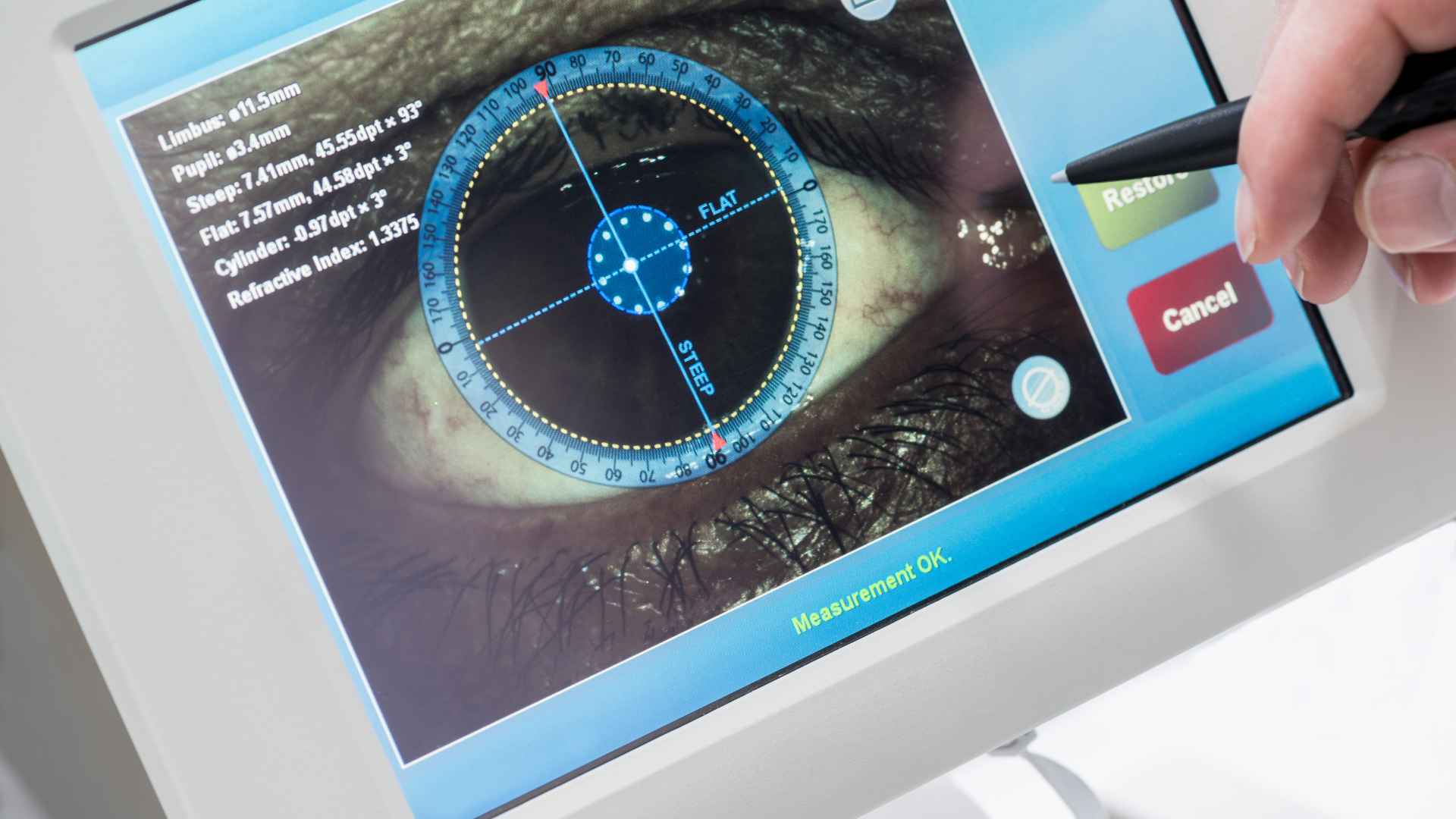
Modern eye research leverages unprecedented technological capabilities that allow scientists to visualize and manipulate ocular structures at the molecular level. Advanced imaging technologies like adaptive optics now enable researchers to observe individual photoreceptor cells in living patients, while optical coherence tomography provides cross-sectional views of retinal tissue with 5-micron resolution. These tools have revolutionized our understanding of disease progression and treatment response.
Research laboratories worldwide are employing CRISPR gene editing to correct mutations causing inherited blindness, with over 40 clinical trials currently investigating genetic therapies for eye diseases. Nanotechnology applications deliver drugs directly to specific retinal layers, improving treatment efficacy while reducing systemic side effects. Meanwhile, bioengineering advances have produced artificial corneas and retinal implants that restore functional vision to previously blind patients.
The convergence of multiple disciplines—from molecular biology to computer science—has created an unprecedented environment for breakthrough discoveries. Researchers now use organ-on-chip technology to create miniature eye models for drug testing, reducing animal experimentation while accelerating therapeutic development. These “eye-on-a-chip” platforms replicate human ocular physiology more accurately than traditional cell cultures, leading to better prediction of drug responses.
How Are Stem Cells Reversing Blindness?
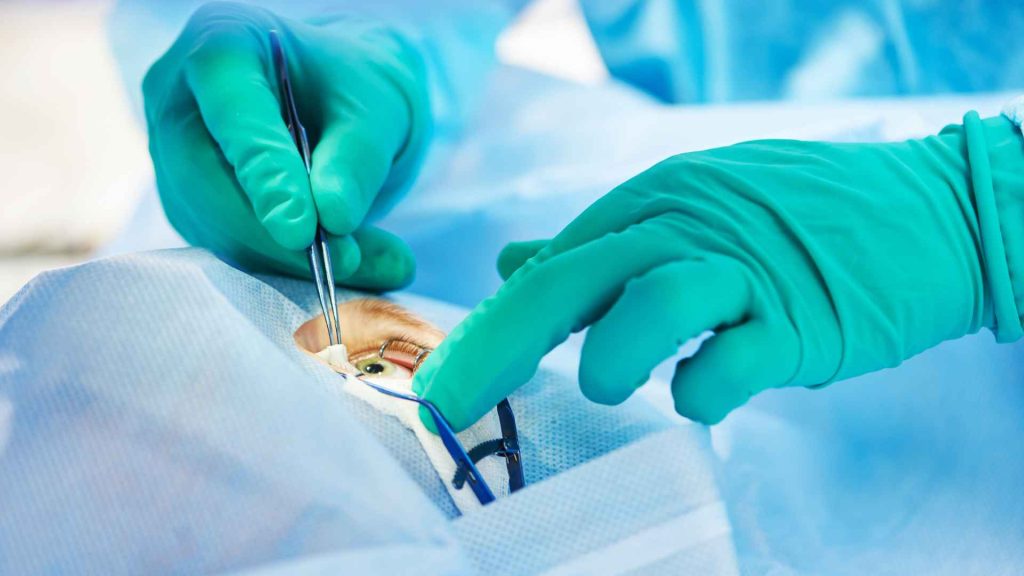
Revolutionary stem cell treatments are showing remarkable success in reversing vision loss previously considered permanent. The CALEC therapy developed at Mass Eye and Ear achieved a 92% success rate in regenerating damaged corneas, offering hope to patients with injuries once deemed untreatable. This groundbreaking procedure harvests stem cells from a patient’s healthy eye, expands them in laboratory conditions, and transplants them to repair corneal damage.
Clinical trials investigating retinal pigment epithelium replacement using embryonic stem cells have restored reading vision in patients with advanced macular degeneration. Researchers at University College London successfully implanted stem cell-derived retinal patches in patients who had lost central vision, with both participants regaining the ability to read after being legally blind. These patches contain a perfect copy of the damaged retinal layer, surgically placed beneath the retina to replace diseased cells.
The development of induced pluripotent stem cells has eliminated ethical concerns while expanding treatment possibilities. Scientists can now reprogram a patient’s skin cells into retinal cells, creating personalized therapies without risk of immune rejection. Current research focuses on optimizing cell delivery methods and improving long-term survival of transplanted cells, with multiple Phase II trials showing promising results for conditions including retinitis pigmentosa and Stargardt disease.
How Is Artificial Intelligence Transforming Eye Diagnostics?
Artificial intelligence has revolutionized eye disease detection, with FDA-approved systems achieving over 95% accuracy in identifying diabetic retinopathy from retinal photographs. These AI algorithms analyze images in under 60 seconds, enabling point-of-care screening in primary care settings where ophthalmologists aren’t available. The technology has proven particularly valuable in underserved communities, where access to eye specialists remains limited.
Deep learning models now detect multiple eye conditions simultaneously, including glaucoma, macular degeneration, and even cardiovascular risk factors from routine eye exams. Research published in Nature demonstrates AI systems identifying heart disease indicators from retinal images with accuracy matching cardiac specialists. This capability transforms eye exams into comprehensive health assessments, potentially saving lives through early detection of systemic diseases.
The integration of AI with telemedicine platforms has created scalable screening programs reaching millions of patients globally. Automated systems triage cases based on urgency, ensuring high-risk patients receive immediate specialist attention while routine cases are managed efficiently. Machine learning algorithms continuously improve through exposure to diverse datasets, with some systems now outperforming human specialists in detecting subtle disease patterns.
Which Eye Treatments Are Currently in Clinical Trials?
Over 200 clinical trials are currently investigating novel eye therapies, with several breakthrough treatments approaching market approval. Phase III trials of complement inhibitors for geographic atrophy show significant slowing of disease progression, offering the first effective treatment for this common cause of blindness. Sustained-release drug implants under investigation could reduce injection frequency from monthly to yearly, dramatically improving patient compliance and outcomes.
Cell replacement therapies have advanced from laboratory curiosity to clinical reality, with multiple trials demonstrating safety and efficacy. Bioengineered retinal patches containing organized layers of photoreceptors and support cells show promise for restoring vision in advanced degeneration. These living implants integrate with remaining retinal tissue, forming functional connections that transmit visual signals to the brain.
Combination therapies targeting multiple disease pathways simultaneously show superior results compared to single-agent treatments. Researchers are investigating synergistic approaches combining gene therapy with neuroprotection, anti-inflammatory agents with regenerative factors, and cell transplantation with immunomodulation. This multi-pronged strategy addresses the complex nature of degenerative eye diseases more effectively than traditional monotherapy.
How Can Biotech Farm Accelerate Your Eye Research Project?
At Biotech Farm, we recognize that advancing eye research requires more than just laboratory space—it demands a comprehensive ecosystem supporting innovation from concept to clinical application. Our state-of-the-art facilities provide researchers with cutting-edge equipment for cell culture, gene editing, and advanced imaging, while our experienced team offers guidance through regulatory pathways and clinical trial design.
Our collaborative environment brings together multidisciplinary teams working on complementary aspects of vision science, from basic molecular mechanisms to translational applications. Whether you’re developing novel drug delivery systems, engineering retinal implants, or investigating stem cell therapies, our infrastructure supports every stage of the research pipeline. We provide access to specialized resources including clean rooms for cell therapy production, preclinical testing facilities, and connections with clinical partners for human trials.
The convergence of biotechnology, artificial intelligence, and regenerative medicine creates unprecedented opportunities for breakthrough discoveries in eye research. Our commitment to fostering innovation extends beyond providing physical resources—we cultivate partnerships between academia, industry, and clinical centers to accelerate the translation of laboratory discoveries into sight-saving treatments.
Ready to Transform Your Vision Research into Reality?
Join the pioneering researchers at Biotech Farm who are developing tomorrow’s breakthrough eye therapies today. Our comprehensive support services, from early-stage development through clinical trials, provide the foundation you need to advance your innovative ideas from concept to patient care. Contact us to explore how our world-class facilities and collaborative ecosystem can accelerate your vision research toward meaningful clinical impact. Together, we can work toward a future where preventable blindness becomes history and sight restoration becomes reality for millions worldwide.
Frequently Asked Questions
What are the most promising areas of eye research currently?
Stem cell therapy and gene editing represent the most transformative areas, with clinical trials showing vision restoration in previously untreatable conditions. The CALEC corneal stem cell therapy achieved 92% success rates, while gene therapies like Luxturna have restored sight in children with genetic blindness. Artificial intelligence diagnostics and retinal implants also show remarkable progress, with AI systems detecting diseases earlier than human specialists and bionic eyes providing functional vision to blind patients.
How long does it take for eye research to reach patients?
The journey from laboratory discovery to patient treatment typically spans 10-15 years, including preclinical testing, three phases of clinical trials, and regulatory approval. However, breakthrough therapy designations can accelerate this timeline for treatments addressing unmet medical needs. Recent advances in platform technologies and regulatory frameworks have reduced development time, with some gene therapies reaching patients within 7-8 years of initial discovery.
What role does AI play in modern eye research?
Artificial intelligence accelerates every aspect of eye research, from drug discovery to clinical diagnosis. Machine learning algorithms identify promising drug compounds, predict treatment responses, and detect diseases years before symptoms appear. AI-powered imaging analysis reveals subtle patterns invisible to human observers, while predictive models help researchers understand complex disease mechanisms and optimize clinical trial designs.
How can patients participate in eye research studies?
Patients can join clinical trials through ClinicalTrials.gov, academic medical centers, or specialized research institutions. Participation criteria vary by study but often include specific diagnoses, disease stages, and previous treatment history. Many trials offer cutting-edge treatments not yet available commercially, though participants should understand both potential benefits and risks. Research participation contributes valuable data advancing treatments for future patients while potentially accessing innovative therapies.