Ex vivo studies maintain living tissue outside the organism under controlled laboratory conditions, bridging the gap between simplified cell cultures and whole-organism experiments. This approach preserves authentic tissue architecture while enabling unprecedented experimental control through specialized perfusion systems that regulate temperature, oxygenation, and nutrient delivery.

Why Are EX VIVO STUDIES Essential for Modern Research?
EX VIVO STUDIES preserve intricate cellular architecture and intercellular connections that isolated cell cultures cannot replicate, making them invaluable for understanding tissue-level metabolic processes. Research in Future Science OA shows these models enable early identification of promising drug candidates, substantially reducing pharmaceutical development timelines and costs. A Scientific Reports study on pancreatic cancer demonstrated that patient-derived EX VIVO STUDIES maintained tumor viability for 12 days while preserving original architecture, allowing evaluation of drug responses within each patient’s unique tumor microenvironment.
Key Distinctions: EX VIVO STUDIES vs. Traditional Models
| Feature | In Vitro | EX VIVO STUDIES |
| Complexity | Simple to moderately complex models | Preserves near-complete in vivo tissue complexity |
| Cellular Context | Isolated cells or simplified cocultures | Original tissue architecture with intact cell-cell interactions |
| Predictive Value | Limited correlation with clinical outcomes | High correlation with patient responses |
This comparison demonstrates how EX VIVO STUDIES bridge the gap between simplified in vitro models and whole-organism studies, offering superior predictive accuracy for clinical applications while maintaining the structural complexity essential for authentic biological responses.
The Growing Impact on Personalized Medicine
The global personalized medicine sector reached $614.22 billion in valuation, with projections exceeding $1.3 trillion by 2034 an 8.10% compound annual growth rate, according to Precedence Research. This expansion reflects increasing clinical adoption of precision approaches where EX VIVO STUDIES play a foundational role. Recent advances demonstrate remarkable versatility across musculoskeletal tissues, meniscal explants, and cartilage constructs, with research showing enhanced tensile strength at tissue interfaces critical discoveries advancing orthopedic therapeutics.
EX VIVO Studies: A Strategic Middle Ground
EX VIVO STUDIES occupy a unique position between in vitro and in vivo methodologies. Unlike in vitro assays using isolated cells in artificial environments, EX VIVO STUDIES utilize intact tissues harvested from organisms, preserving architectural complexity and cellular interactions absent from conventional culture systems.
This approach maintains tissue-level organization while providing experimental control impossible within living subjects, enabling investigation of multicellular dynamics essential for accurate disease modelling. According to research published in Frontiers in Marine Science, EX VIVO STUDIES provide superior physiological relevance for investigating interactions between multiple environmental stressors.
Bridging Laboratory Research and Clinical Applications
The Intestine system exemplifies this advantage, offering insights into bacterial-host interactions within gastrointestinal tissue architecture that surpass traditional in vitro bacterial culture systems. Despite temporal limitations Ussing chambers restrict functional analysis to several hours researchers extract vital data on cellular transport mechanisms informing clinical decisions.
By bridging the gap between isolated cells and whole organisms, EX VIVO STUDIES advance precision medicine while preserving biological complexity essential for translating discoveries to human health applications.
What Biological Processes Can Be Investigated Through EX VIVO STUDIES?
EX VIVO STUDIES provide researchers-controlled access to biological tissues for investigating complex physiological mechanisms outside living organisms. This methodology balances in vitro experimental simplicity with in vivo physiological authenticity, enabling targeted investigation of tissue responses while maintaining biological relevance.
Precision Experimental Control and Variable Isolation
The fundamental advantage of EX VIVO STUDIES lies in researchers’ ability to exert precise control over experimental variables. Tissues can be subjected to defined physical deformations to characterize biomechanical properties, or exposed to specific pharmacological agents to decode cellular response pathways manipulations impractical within living organisms where systemic interactions confound interpretation.
Temporal Monitoring and Enhanced Tissue Accessibility
Longitudinal assessment capabilities distinguish EX VIVO STUDIES from endpoint-limited methodologies. Continuous monitoring reveals both immediate tissue reactions and long-term adaptive processes, providing comprehensive understanding of biological progression. Enhanced physical access to target tissues facilitates high-resolution data collection through advanced imaging and sampling techniques impossible in vivo.
Addressing Critical Knowledge Gaps
EX VIVO STUDIES fill methodological voids that neither pure in vitro nor in vivo approaches can adequately address. While cellular studies illuminate molecular mechanisms, they lack tissue-level structural and functional complexity. Conversely, whole-organism studies encompass full biological intricacy but obscure tissue-specific responses within systemic noise. Recent data from a comprehensive analysis in Molecular Therapy Methods & Clinical Development revealed that as of 2024, over 3,427 advanced therapies incorporating ex vivo methodologies are currently under development, demonstrating the technique’s expanding role in therapeutic innovation.
By conducting EX VIVO STUDIES, we decode the intricate interplay between cellular populations and their microenvironments, observing tissue behavior outside organisms while preserving authentic intercellular context. This knowledge foundation accelerates development of novel therapeutic strategies and refinement of existing treatment protocols, particularly in fields requiring precise understanding of tissue-level responses to interventions.
What Technical Approaches Enable Successful EX VIVO STUDIES?
The evolution of scientific methodology has positioned EX VIVO STUDIES as an essential bridge between laboratory research and clinical translation. These investigations replicate in vivo physiological conditions with fidelity far exceeding traditional in vitro methods.
Dynamic Physiological Culture Techniques represent a paradigm shift in tissue maintenance methodology. This innovation extends tissue culture viability while preserving native cellular functions outside the human body. By replicating natural physiological processes through controlled perfusion and microenvironmental regulation, these systems maintain tissue integrity and metabolic activity for extended experimental periods.
Each tissue type demands customized culture parameters. Success requires aligning the perfusion system with specific physiological requirements of the tissue under investigation, from oxygen tension and nutrient composition to mechanical forces and waste removal kinetics. Continuous refinement of culture conditions and physiological parameter optimization drives methodological advancement across diverse tissue applications.
Intestinal EX VIVO STUDIES Platforms
Intestinal research benefits from specialized techniques including everted gut sac models and Ussing chamber methodologies. These platforms enable investigation of drug absorption kinetics and barrier function without the ethical complexities or biological confounds inherent to animal testing. Despite their demonstrated utility, regulatory frameworks have yet to formally recognize these approaches as validated alternatives to traditional animal experimentation.
The Mucus Barrier Model exemplifies the investigative power of intestinal EX VIVO STUDIES, revealing rapid biochemical reactions and cellular interactions occurring within the gastrointestinal microenvironment observations impossible through indirect in vivo measurements.
Technical Precision Requirements
Every EX VIVO STUDIES application demands meticulous protocol development to faithfully replicate the in vivo environment. Our commitment encompasses continuous enhancement of technical sophistication, ensuring research maintains the highest standards of biological authenticity and experimental rigor.
Recent advances in perfusion technology and real-time monitoring systems have expanded the temporal window for viable tissue culture. According to research on human skin models published in Scientific Reports, modern EX VIVO STUDIES platforms can maintain tissue viability and functionality for extended periods while preserving physiological responses to environmental stimuli, enabling more comprehensive experimental investigation than previously possible.
What Advantages Do EX VIVO STUDIES Tissue Cultures Provide?
EX VIVO STUDIES tissue cultures serve as crucial bridges between simplified in vitro experiments and complex in vivo research. According to Clift and colleagues, these systems maintain tissue cytoarchitecture through culture conditions that preserve intercellular connections and metabolic processes, closely mimicking the in vivo environment. This hybrid approach combines in vitro precision with enhanced predictive accuracy for compound behavior in living organisms.
EX VIVO STUDIES Enable Personalized Treatment Development
Research published in Nature Cancer demonstrated that EX VIVO STUDIES drug sensitivity testing across 101 bone marrow samples from 70 multiple myeloma patients revealed personalized therapeutic vulnerabilities. Ex vivo responses correlated with clinical outcomes, enabling patient stratification into distinct microenvironmental phenogroups. Blood sample analysis and lymphocyte cultivation through EX VIVO STUDIES provide critical insights into immune system responses, proving instrumental in immunotherapy development where treatment optimization demands comprehensive understanding of immune behaviour against pathogenic threats.
Ocular Research Applications and Ethical Standards
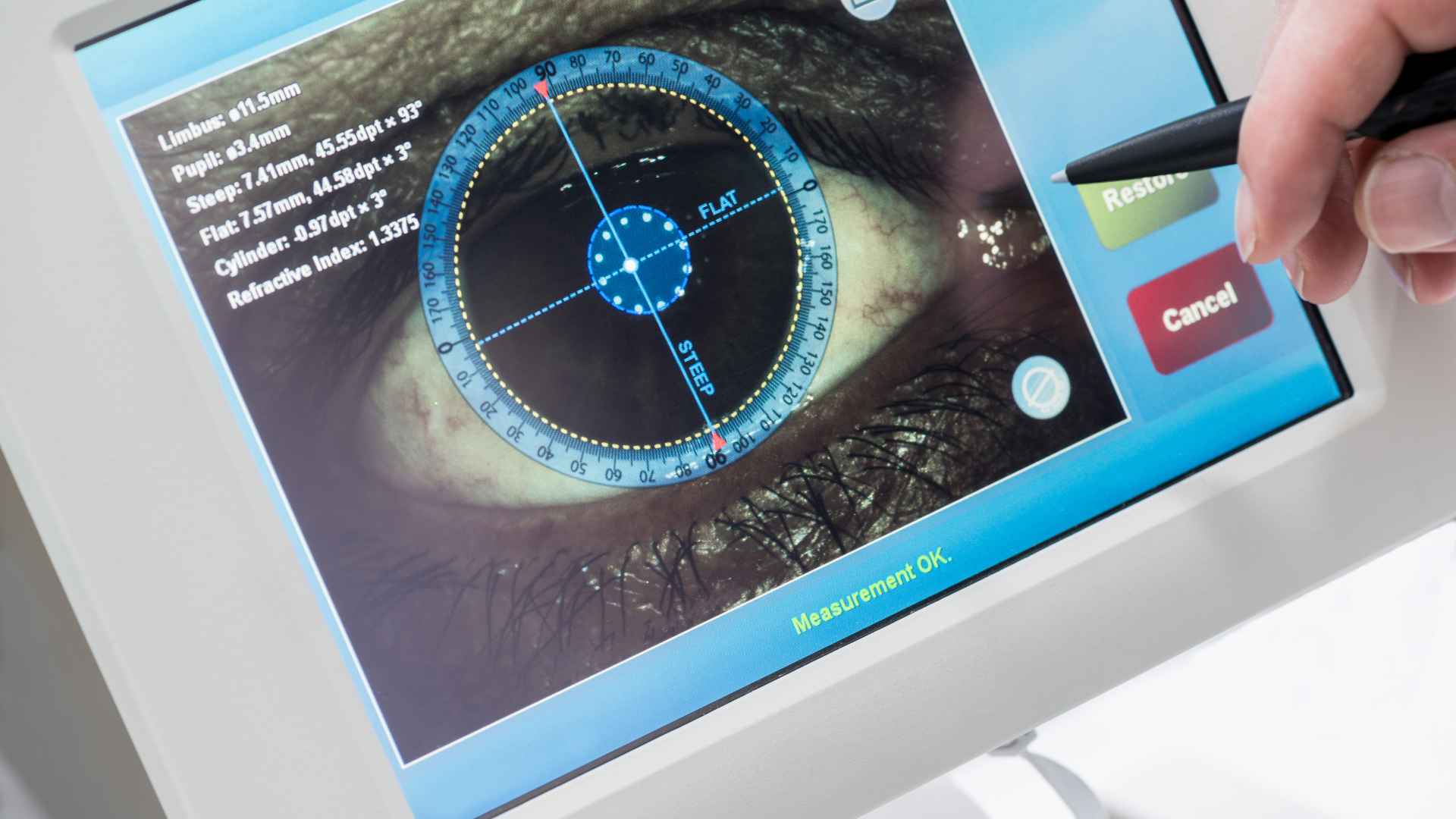
For ocular research, EX VIVO STUDIES models provide indispensable testing platforms. We adhere to OECD test guideline 437, utilizing bovine corneas obtained from slaughtered animals to assess substance corrosiveness potential without the ethical concerns of live animal testing. This approach balances scientific rigor with animal welfare considerations, maintaining innovation alongside ethical responsibility.
Advanced Coculture Systems
Integration of coculture systems housing multiple cell types forms a cornerstone of our methodological approach. These sophisticated platforms simulate in vivo barriers, creating robust environments for investigating mechanisms including nanoparticle uptake and cellular transport dynamics. Our continuous methodological refinement ensures that EX VIVO STUDIES at BIOTECH FARM remain at the forefront of translational research advancement.
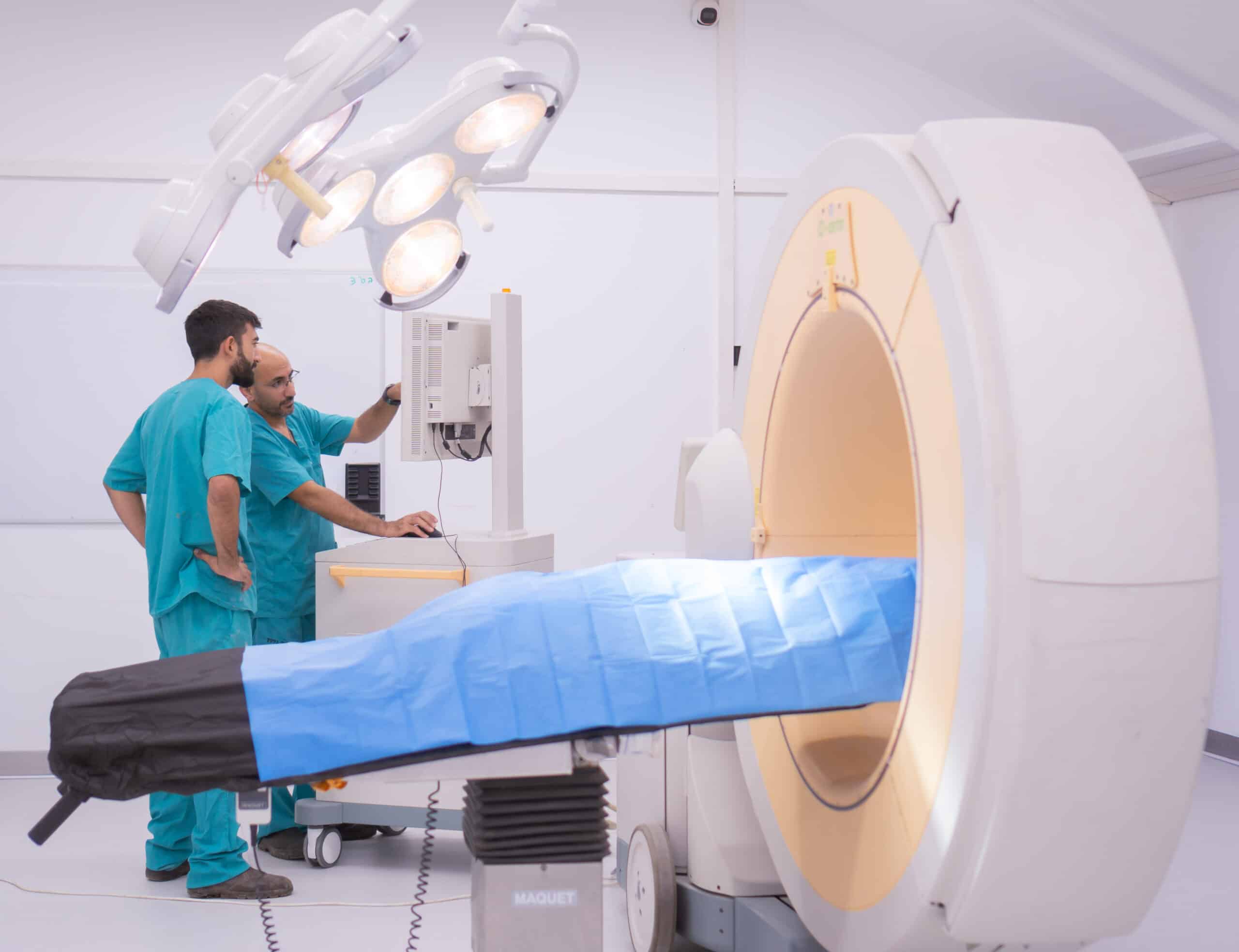
Advanced EX VIVO STUDIES laboratory configuration showcasing specialized equipment and controlled environment systems essential for maintaining tissue viability and conducting precise experimental manipulations on biological samples outside the organism.
How Do EX VIVO STUDIES Advance Disease Mechanism Understanding?
EX VIVO STUDIES occupy a critical position in dissecting disease complexity and pathogenic interactions. This sophisticated approach enables detailed investigation of host-pathogen dynamics within controlled environments, bridging the translational gap between simplified cell cultures and complex whole-organism studies. According to Wikipedia, ex vivo models preserve native tissue architecture and cell-matrix interactions absent in traditional in vitro systems, while offering greater experimental control than in vivo animal models. The adaptive capacity of these models allows realistic condition simulation for investigating nuanced host-pathogenic and host-commensal bacterial interactions at molecular levels. Integration of findings from germ-free mouse studies enhances model relevance to human biology, addressing the well-documented challenge that rodent data frequently fails to translate directly to human physiology.
What Role Do EX VIVO STUDIES Play in Precision Medicine Development?
These sophisticated techniques serve dual purposes in modern healthcare: disease comprehension and therapeutic advancement. Research teams increasingly focus on precision medicine applications, particularly pre-treatment drug testing on patient-derived tumor samples. The SMARTrial study demonstrated that ex vivo drug response profiling successfully predicted chemotherapy treatment failure in acute myeloid leukemia patients, with the primary endpoint of providing response reports within seven days achieved in 91% of participants. This genomics-rooted process ensures personalized therapy with enhanced efficacy and improved safety profiles. BIOTECH FARM’s comprehensive framework eliminates trial-and-error approaches, sparing patients unnecessary exposure to potentially toxic medications while providing strategies tailored to each tumor’s unique genetic characteristics.
Can EX VIVO STUDIES Models Predict Treatment Effectiveness?
In personalized medicine advancement, EX VIVO STUDIES present powerful platforms for evaluating therapeutic efficacy potential. Our comprehensive approach at BIOTECH FARM harnesses unique EX VIVO STUDIES capabilities to screen treatment options specifically tailored to individual patient tumors. We engineer miniature tumor replicas and conduct complete genomic analysis to select optimal treatments for each patient.
Testing drugs on tumor replicas before patient administration significantly reduces risks associated with conventional trial-and-error methodologies. This strategy prioritizes patient safety while proving pivotal in minimizing exposure to potentially ineffective and toxic pharmaceuticals. Our objective involves transitioning EX VIVO STUDIES into standard clinical practice, providing safer, more precise treatment pathways.
Precision Medicine Workflow:
- Genomic Analysis: Complete tumor cell genomic characterization
- Tumor Replica Engineering: Miniature constructs mirroring patient-specific cancer environments
- Therapeutic Screening: Systematic testing revealing most promising treatment candidates
This three-stage workflow illustrates how EX VIVO STUDIES enable personalized cancer treatment selection by combining genomic insights with functional drug testing on patient-derived tissue models, significantly reducing exposure to ineffective therapies.
| Study Type | Key Attributes |
| In Vitro | Monolayer and multilayer culture models, including 3D organotypic constructs |
| EX VIVO STUDIES | Complex tissue architecture enabling representative drug efficacy testing with preserved microenvironment |
The table presents types of preclinical studies and their key attributes. The In Vitro row describes the use of monocellular and multicellular culture models, including 3D organotypic constructs, while the Ex Vivo row highlights complex tissue architectures that enable drug efficacy testing in a preserved, physiologically relevant microenvironment.
Ex Vivo Studies: Bridging Advanced Tissue Models and Real‑World Clinical Outcomes
Contrary to in vitro settings, EX VIVO STUDIES embody sophisticated tissue architecture enabling revelation of disease mechanism interactions. In dermatology and pharmacology, these models accelerate drug development by providing reliable in vivo efficacy indicators, facilitating lead candidate refinement. Clinical validation data from lung cancer patient-derived organoid studies published in Lung Caner demonstrate that EX VIVO STUDIES drug screening successfully predicted clinical responses to chemotherapy, targeted therapy, and immunotherapy across diverse patient populations, with correlation rates exceeding 80% for select therapeutic classes.
The implications of EX VIVO STUDIES extend broadly from military applications exploring stress effects on physical and cognitive performance, to precision medicine where individually tailored treatments herald a new healthcare era. Our work with EX VIVO STUDIES models at BIOTECH FARM embodies our commitment to advancing translational research bridging laboratory findings with clinical implementation, ensuring scientific discovery momentum propels toward improving patient outcomes.
What Future Developments Will Shape EX VIVO STUDIES?
The trajectory of EX VIVO STUDIES points toward increasingly sophisticated integration with computational technologies and clinical workflows. Emerging artificial intelligence platforms are being developed to analyze complex datasets generated from tissue cultures, identifying subtle patterns in drug responses that escape human observation. These AI-augmented systems promise to accelerate the translation of EX VIVO STUDIES findings into actionable clinical insights.
Advances in microfluidic organ-on-chip technologies are enhancing EX VIVO STUDIES capabilities by better replicating physiological flow conditions and multi-organ interactions. These systems enable investigation of systemic drug effects and organ crosstalk within controlled experimental frameworks, addressing current limitations in isolated tissue studies.
The integration of real-time molecular imaging with EX VIVO STUDIES platforms allow continuous monitoring of cellular processes, revealing dynamic responses to therapeutic interventions. Combined with automated culture systems and high-throughput screening capabilities, these technologies position EX VIVO STUDIES at the forefront of precision medicine development, where rapid, patient-specific therapeutic testing becomes increasingly feasible.