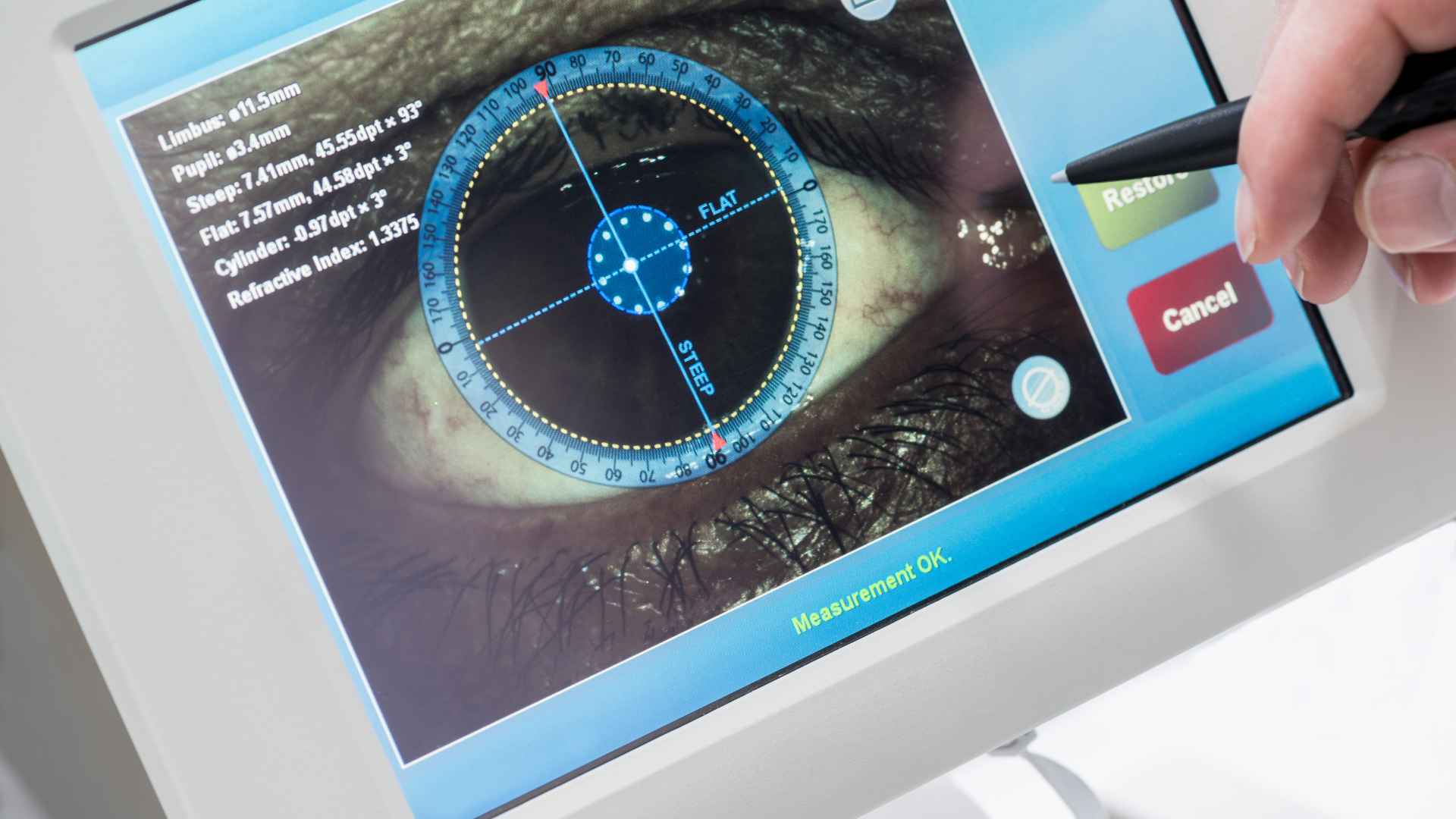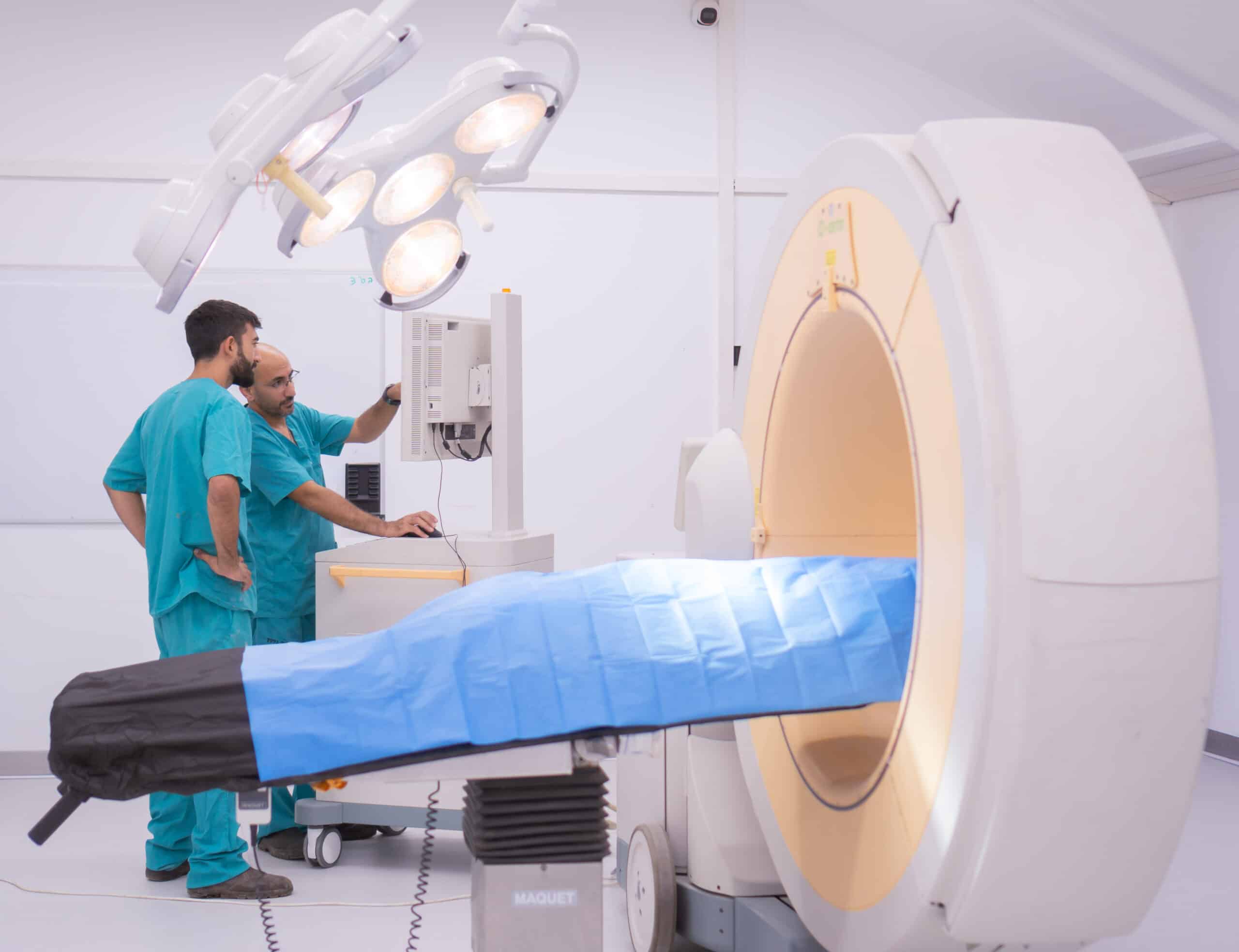
Pharmacokinetic (PK) studies represent the scientific foundation of modern pharmaceutical development, determining how drugs behave within the human body from administration to elimination. These comprehensive investigations are essential for ensuring that medications achieve their intended therapeutic effects while minimizing potential risks to patient safety.

What Are PK Studies and Why Are They Essential?
PK studies analyse how pharmaceutical compounds move through the body across four critical phases: absorption, distribution, metabolism, and excretion (ADME). According to FDA Population Pharmacokinetics Guidance, these studies establish the scientific foundation for determining proper dosage, administration frequency, and identifying potential drug interactions directly influencing regulatory decisions and patient care outcomes.
Recent advances have revolutionized drug development. Research from 2024 shows that AI-driven predictive models can analyse over 10,000 bioactive compounds, dramatically reducing traditional experimental costs and timelines. This enables pharmaceutical scientists to identify optimal drug candidates earlier in development.
Beyond initial approval, population pharmacokinetic analysis characterizes drug response variability across diverse patient groups, accounting for genetics, age, organ function, and concurrent medications. This approach supports personalized medicine strategies tailored to individual patient characteristics.
How Do PK STUDIES Support Drug Safety and Efficacy?
PK STUDIES form the foundation of drug safety evaluation by predicting drug concentrations across organs and tissues, identifying toxicity thresholds, and establishing safe exposure limits. Regulatory agencies mandate comprehensive pharmacokinetic profiles before approving new medications, ensuring potential adverse effects and drug interactions are caught early.
In clinical practice, pharmacokinetic data help physicians maintain optimal blood concentrations for therapeutic benefit. This proves critical for patients with kidney or liver impairments, where standard doses might accumulate to toxic levels. Clinicians adjust dosing based on how these conditions affect drug metabolism and elimination.
Precision dosing represents the cutting edge of PK applications. Physiologically-based pharmacokinetic modelling creates individualized simulations “digital twins” that predict patient responses based on specific physiology and health status. This technology fills critical gaps for children, pregnant women, and lactating mothers, where standard dosing guidelines often don’t exist.
Understanding the Four Phases of Drug Behaviour
The ADME framework provides a systematic approach to understanding drug behaviour. Absorption describes the pathway drugs follow from their administration site to the bloodstream, influenced by factors including formulation characteristics, route of administration, and the presence of food in the gastrointestinal tract.
Distribution Throughout the Body
Distribution refers to how medications disperse throughout body fluids and tissues. This process depends heavily on the drug’s lipophilicity (fat solubility) and protein binding characteristics. Highly protein-bound drugs remain in circulation longer, while lipophilic compounds more easily cross cell membranes. The blood-brain barrier presents a unique challenge, limiting passage of many substances to protect the central nervous system. Only drugs with specific physicochemical properties can cross this barrier to affect brain function.
Blood flow patterns significantly impact distribution rates. Organs receiving higher blood flow, such as the heart, liver, and kidneys, receive drugs more rapidly than tissues with lower perfusion. This differential distribution affects both therapeutic effects and potential toxicity in various organs.
Metabolism and Transformation
Metabolism involves enzymatic conversion of drugs into metabolites, which may be pharmacologically active or inactive. The liver’s cytochrome P450 enzyme system plays a central role in this process, chemically modifying drugs to make them more water-soluble and easier to eliminate. Genetic variations in these enzymes can dramatically affect how individuals metabolize medications, explaining why two patients may respond differently to identical dosages.
Emerging research reveals that noncoding RNAs and nuclear receptors significantly modulate drug-metabolizing enzymes, providing new insights into transcriptional and posttranscriptional regulatory mechanisms. These discoveries help explain inter-individual variations in pharmacotherapy outcomes and open pathways for more precise dosing strategies.
Elimination Pathways
Elimination represents the final phase where drugs and their metabolites exit the body, predominantly through urine or feces. Kidney function serves as a crucial determinant of drug clearance rates. Compromised renal function can lead to drug accumulation and increased toxicity risk. Alternative elimination routes include biliary excretion into the digestive tract and, less commonly, through saliva, sweat, or exhalation.
What Role Do PK STUDIES Play in Drug Development?
PK STUDIES guide every stage of pharmaceutical development, from initial compound selection through post-marketing surveillance. During early discovery phases, researchers use pharmacokinetic data to modify chemical structures, improving bioavailability, extending duration of action, or reducing side effect potential. These modifications can transform promising compounds into viable drug candidates.
Dosage guideline establishment represents another critical application. Information from PK STUDIES determines starting doses, administration frequency, and necessary adjustments for different populations. This data ensures patients receive optimal therapeutic effects without unnecessary harm. Recent guidelines emphasize the importance of population pharmacokinetic approaches in supporting individualized medicine initiatives.
The development of biosimilars and generic drugs relies heavily on pharmacokinetic comparisons. Manufacturers must demonstrate bioequivalence, proving their products act within the same therapeutic window as established medications. These PK comparisons ensure that alternative formulations offer comparable safety and efficacy profiles to original branded products.
How Have Recent Technological Advances Transformed PK STUDIES?
Artificial intelligence and machine learning now drive PK analysis forward, predicting drug exposure and treatment outcomes with remarkable precision. Graph Neural Networks achieve high accuracy in forecasting ADME parameters, reducing dependence on costly animal studies while maintaining safety standards.
PBPK modelling has become essential for simulating physiological processes across diverse populations. These models incorporate organ-specific blood flows and metabolism rates to predict drug behaviour, supporting applications from food effect assessment to drug-drug interaction prediction. The technology significantly reduces animal research needs while delivering critical R&D insights.
Biosensor advances enable continuous, non-invasive drug concentration monitoring. Microsampling devices allow patients to collect dried blood spots at home, making therapeutic drug monitoring more accessible and providing real-time data that supports precision dosing strategies.
What Are the Applications of PK STUDIES in Clinical Practice?
PK STUDIES inform clinical decision-making across multiple dimensions. They assess drug interactions when patients take multiple medications concurrently, revealing how one drug may alter another’s ADME profile. This understanding helps clinicians manage polypharmacy effectively, ensuring drug combinations remain safe and effective for individual patients.
Therapeutic drug monitoring relies on pharmacokinetic principles to optimize treatment outcomes. By measuring drug concentrations in patient samples and comparing them to target ranges, healthcare providers can adjust dosages to achieve desired therapeutic effects while avoiding toxicity. This approach proves particularly valuable for medications with narrow therapeutic windows, where small dosage variations significantly impact safety and efficacy.
Post-marketing surveillance continues to utilize PK STUDIES to monitor unexpected pharmacokinetic behaviour in larger populations. These ongoing assessments track how real-world factors including diet, lifestyle, and over-the-counter medications influence drug performance. This surveillance maintains therapeutic value and safety of medications after regulatory approval.
What Are the Benefits of Large Animal PK STUDIES?
Large animal PK studies bridge the gap between small animal research and human clinical trials by offering more predictive pharmacokinetic data. Species like dogs, pigs, and non-human primates possess physiological and metabolic characteristics closer to humans than rodents, making their responses more reliable indicators of human drug behaviour.
These models enable serial blood sampling and comprehensive tissue distribution studies that are impractical in smaller species. This capability allows researchers to track drug movement through the body and establish detailed pharmacokinetic profiles essential for optimizing dosing regimens and identifying potential toxicity.
The data generated helps establish safe starting doses for first-in-human studies, significantly reducing risks to clinical trial participants. Advanced preclinical facilities now provide comprehensive PK services including specialized surgical models, multiple dosing routes, and GLP-accredited bioanalysis supporting rigorous characterization required for regulatory submissions and successful drug development programs.