With over 30 years of combined hands-on expertise in large animal model experimentation — led by Adir Koreh, CEO of Biotech Farm Ltd., whose veterinary teams have worked together for more than a decade — we can state one fact with certainty: animal welfare compliance is not an administrative burden; it is the single gatekeeper that determines whether your preclinical data survives regulatory scrutiny.
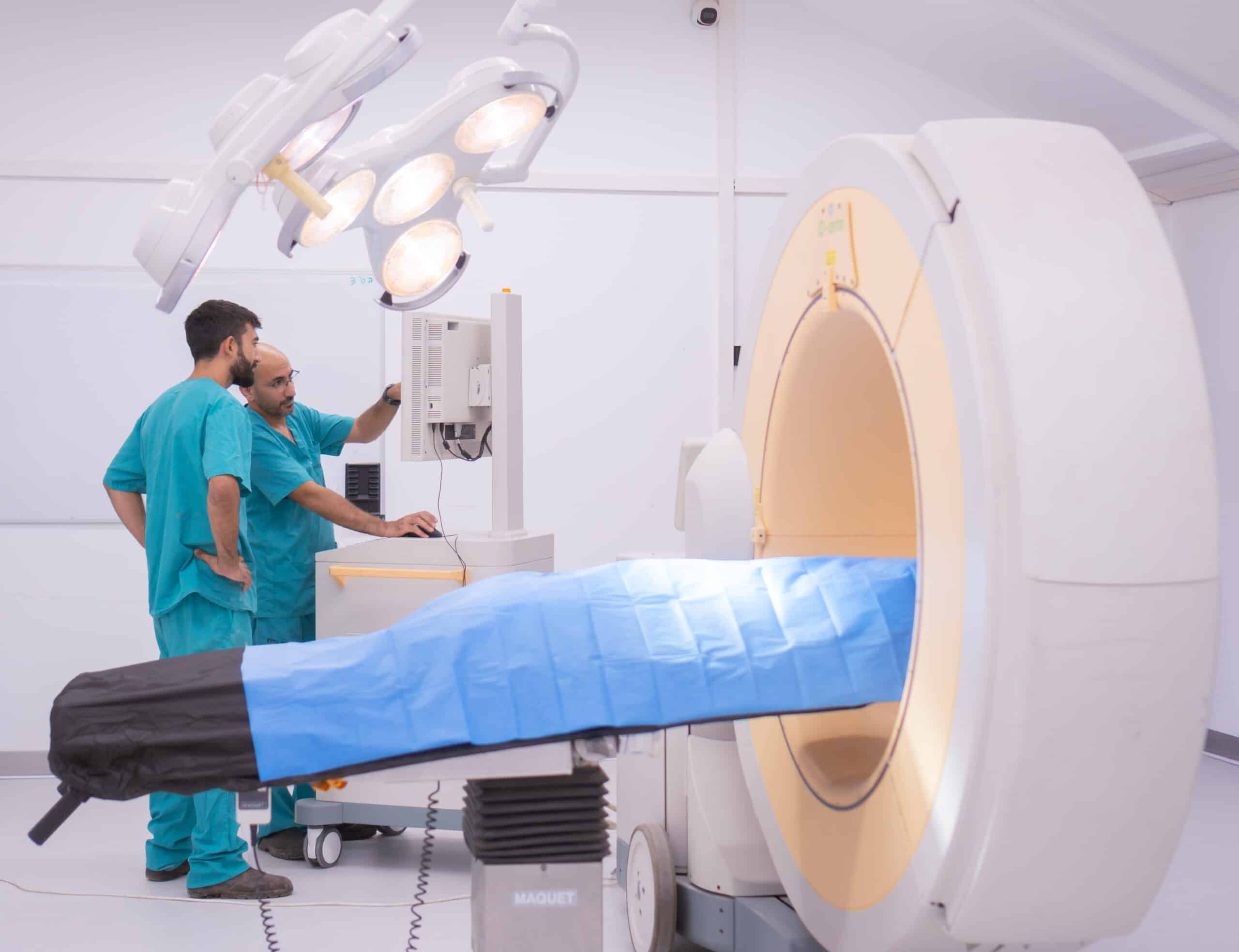
A surgical team in Rehovot monitors arterial blood pressure on a fluoroscopy monitor while an auditor reviews anesthesia administration logs in the adjacent control room. A five-minute omission in recordkeeping during a porcine valve replacement can invalidate six months of preclinical data. Regulatory bodies do not accept assumptions when evaluating surgical intervention data.
Every preclinical trial operates under the twin pressures of scientific validity and statutory animal protection. When sponsors plan translational studies for novel medical devices or pharmaceuticals, animal welfare compliance dictates whether regulatory bodies accept the resulting data package.
Navigating the statutory demands of preclinical research requires understanding how legal requirements, ethical committee oversight, and daily veterinary care intersect. This guide examines how preclinical research facilities maintain statutory compliance while executing complex translational protocols.
Critical warning: Failure to meet animal welfare benchmarks halts studies, consumes capital, and destroys regulatory submissions before clinical trials even begin. Every principle in this guide exists to prevent that outcome.
What animal welfare regulations are included in preclinical research?
Preclinical research involves a tiered structure of statutory mandates, veterinary standards, and institutional policies. Facilities must demonstrate an active veterinary care program, approved standard operating procedures for pain management, and complete chain-of-custody documentation for every animal. Research protocols cannot proceed on scientific merit alone without formal welfare authorization.
In Israel, the Council for Animal Experimentation establishes the mandatory baseline under the Ministry of Health. This system requires facility accreditation, independent protocol review, and continuous inspection of surgical environments. Preclinical programs harmonize these domestic rules with international standards for animal welfare in research facilities to ensure global regulatory acceptance.
Exclusive insight: Every procedure from initial quarantine to post-operative recovery must remain completely auditable throughout the study lifecycle. If a welfare observation is not documented immediately, statutory inspectors treat it as unperformed.
What are the main regulatory frameworks for animal welfare in preclinical research?
Translational research facilities operate across three regulatory levels that govern study design and execution. The first level consists of national statutes that mandate baseline operational licensing and legal accountability. The second level encompasses governmental health authorities such as the United States Food and Drug Administration or the European Medicines Agency, which demand rigorous adherence to Good Laboratory Practice principles.
The third tier involves voluntary international accreditation standards that confirm operational excellence beyond statutory minimums. Biomedical programs maintain formal oversight mechanisms for experimental subjects to satisfy external auditors and peer-review benchmarks across diverse jurisdictions.
These frameworks function together rather than in isolation. Compliance failures within one layer compromise the validity of the entire scientific submission.
Tier 1: National Statutes
Domestic legislation mandating operational licensing, institutional accreditation, and legal accountability for every animal procedure.
Tier 2: Health Authorities
FDA, EMA, and comparable agencies requiring strict Good Laboratory Practice adherence for regulatory data acceptance.
Tier 3: Voluntary Accreditation
AAALAC International and similar bodies verifying operational excellence well above statutory minimums.
What is the Animal Welfare Act of 1994 in Israel?
The Animal Welfare Act (Animal Experiments), 1994 serves as the foundational statute governing biomedical research inside Israel. This legislation establishes the Council for Animal Experimentation and defines the legal criteria under which warm-blooded vertebrates may participate in experimental protocols. The statute strictly forbids any animal experimentation unless performed within an authorized institution holding valid government certification.
The primary statutory objective centers on preventing unnecessary pain and suffering while permitting legitimate scientific inquiry. Under this law, experiments aimed at cosmetic testing or non-essential product development face strict prohibitions, whereas translational medical device and pharmaceutical evaluations must prove tangible human health value.
Every research facility must appoint a qualified veterinarian who holds statutory authority over animal well-being and housing conditions.
— Animal Welfare Act (Animal Experiments), 1994 — Core Requirement
How statutory animal care compliance operates on the facility floor
Daily statutory compliance requires systematic execution of validated standard operating procedures inside holding rooms and surgical suites. Attending technicians record environmental parameters such as temperature variations, humidity levels, and air exchange rates every twelve hours. Deviations from physiological norms trigger automated facility alerts and mandatory veterinary inspection.
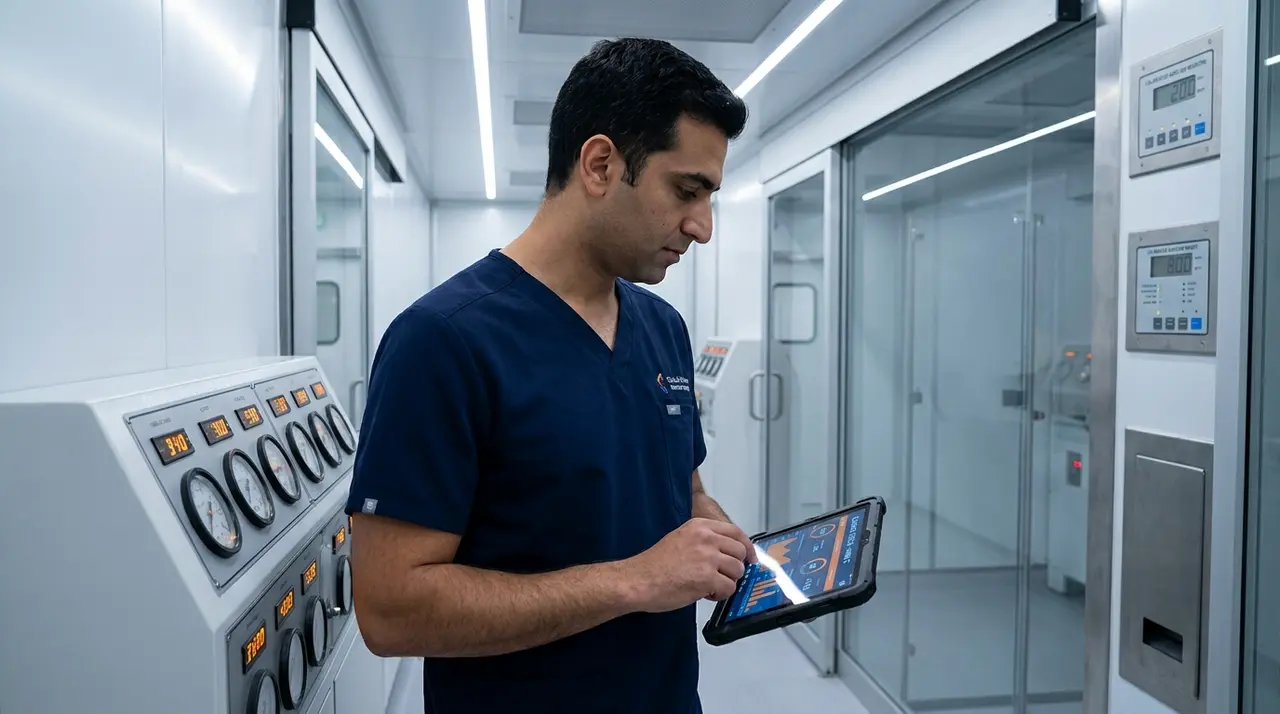
Health monitoring protocols require documented examinations that track incision recovery, nutritional intake, and behavioral changes in post-operative subjects. The Rules of Animal Welfare (Animal Experiments), 2001 mandate written logs for all pharmaceutical administrations, including anesthetics and analgesics. State Comptroller audits consistently target omissions in daily operational logs as primary indicators of institutional failure.
Traceability remains the bedrock of experimental integrity. If a welfare observation is not documented immediately, statutory inspectors treat it as unperformed.
Is IACUC approval required for preclinical animal studies in Israel?
No preclinical study involving vertebrate animals may begin in Israel without formal, prior approval from an Institutional Animal Care and Use Committee. This committee operates as an independent review body within the research institution, balancing scientific rationale against ethical cost. The committee includes veterinary specialists, independent scientists, and public representatives who evaluate every procedural step.
Researchers must submit comprehensive study proposals detailing surgical models, calculated animal group sizes, and anesthesia regimens along with defined humane endpoints. The committee possesses statutory power to reject protocols, require technical modifications, or revoke permissions during an ongoing study. Conducting animal procedures without an active committee approval certificate constitutes a criminal violation under Israeli law.
Key takeaway: Institutional oversight remains active throughout study execution, requiring annual renewals and protocol amendments for any operational modification.
How Israeli statutory law compares to international guidelines
Israeli research legislation aligns closely with established international benchmarks while maintaining specific regional governance structures. This alignment enables Israeli preclinical research centers to produce regulatory data that transitions smoothly into foreign filings.
While the Israeli 1994 Act emphasizes institutional accountability and ethical review boards, international dossiers frequently demand compliance with Good Laboratory Practice frameworks. Global sponsors must confirm that domestic housing configurations and veterinary staffing ratios fulfill overseas regulatory expectations.
Regulatory harmonization eliminates redundant animal trials. International compatibility accelerates clinical translation across global healthcare markets.
Are all animal species covered by the same welfare rules?
Statutory protection extends across all vertebrate species, but procedural requirements differ significantly depending on the physiological model. Rodents require standardized micro-isolation caging systems, controlled air flow, and strict pathogen-free barriers. Conversely, large animal models demand complex agricultural and surgical housing environments tailored to distinct behavioral and physical needs.
Swine, sheep, and rabbits require specialized spatial allowances and tailored pen enrichment along with dedicated exercise programs to prevent physiological stress. Large animal enclosures must accommodate herd instincts through visual contact or pair housing whenever protocol constraints allow. Veterinary oversight protocols expand substantially when managing large models because cardiovascular and orthopedic interventions demand human-scale monitoring equipment.
Compliance depends on matching husbandry practices to species-specific biology. One single housing standard cannot satisfy diverse experimental models.
What are AAALAC standards for large animal facilities?
AAALAC International represents the voluntary gold standard for animal care and use programs across the global biomedical enterprise. The organization uses the Guide for the Care and Use of Agricultural Animals in Research and Teaching alongside standard laboratory guidelines to evaluate facilities housing large animal models. Achieving this credential demonstrates that a program operates well above baseline governmental mandates.

Site visitors evaluate physical plant design and sanitation practices as well as staff qualifications, surgical sterility, and occupational health systems. Facilities housing sheep or swine must provide specialized surgical preparation rooms, dual-modality anesthesia recovery areas, and documented environmental enrichment programs. Reviewers examine whether animal holding areas avoid unnecessary restraint while maintaining strict sanitary controls.
More details on institutional qualifications appear within the published AAALAC International accreditation criteria for research programs.
Does AAALAC accreditation guarantee legal compliance?
Voluntary accreditation does not replace domestic legal accountability. AAALAC evaluates operational quality and program management, but the organization does not function as an enforcement or regulatory agency. A facility holding full accreditation must still secure individual study permits from local institutional committees and host official Ministry of Health inspectors.
Accreditation establishes an internal quality culture that makes regulatory compliance repeatable and reliable. By adopting accredited operating principles, institutions create self-correcting compliance mechanisms that identify protocol deviations before governmental inspections occur. This framework integrates standard operating procedures, welfare metrics, and internal audit schedules into a unified management structure.
Bottom line: Legal compliance remains an active daily responsibility. Accreditation provides the infrastructure, but trained personnel must execute the standards.
Building an operational compliance structure across study phases
Translating regulatory principles into reliable daily operations requires an institutional architecture that bridges science and welfare. Research facilities achieve consistency by embedding veterinary review checkpoints into every project phase from initial protocol drafting to final tissue collection. When compliance operates as an isolated department, procedural drift inevitably occurs during demanding surgical schedules.
Preclinical workflows succeed when protocol management links directly to corrective and preventive action systems. If an unexpected physiological reaction occurs under anesthesia, surgical personnel must immediately file an internal deviation log. The attending veterinarian investigates root causes, reviews drug dosages, and introduces corrective adjustments before initiating subsequent surgical procedures.
This closed-loop system prevents isolated technical issues from escalating into systematic protocol violations.
What are the 3Rs in animal research?
The principles of Replacement, Reduction, and Refinement define the modern ethical framework for animal experimentation worldwide. Formulated by Russell and Burch in 1959, these concepts are embedded directly within statutory research mandates. Regulatory committees evaluate proposals specifically through this tripartite filter, requiring written evidence that researchers considered non-animal alternatives before choosing an animal model.
- Replacement demands using computational simulations, cell cultures, or benchtop flow models whenever they can answer the scientific hypothesis.
- Reduction requires determining the absolute minimum number of subjects needed to achieve statistically significant results through rigorous biostatistical power calculations.
- Refinement focuses on eliminating animal distress through advanced surgical methods, multi-modal analgesia, and enriched living environments.
These principles are legal requirements rather than abstract ethical suggestions. Studies that ignore the 3Rs face immediate rejection during committee reviews.
Applying replacement reduction and refinement in study design
Executing the 3Rs inside a large animal facility requires sophisticated engineering and deep surgical experience. Medical device developers often achieve replacement by using benchtop silicone vascular models for early deployment testing before attempting animal surgery. Once animal studies become essential, reduction takes priority through longitudinal imaging strategies that extract multiple data endpoints from each subject.

Advanced imaging tools such as fluoroscopic C-Arms, intracardiac echocardiography, and optical coherence tomography enable researchers to assess stent deployment repeatedly over months. This capability avoids the historical need to sacrifice independent animal cohorts at multiple intermediate intervals. Refinement appears through balanced multi-modal analgesia protocols that combine local nerve blocks, systemic opioids, and non-steroidal anti-inflammatory agents.
Refined perioperative management produces healthier animals. Unstressed subjects yield clean, reproducible translational data.
What does the ethical approval process look like for large animals?
Securing ethical committee approval for swine or ovine translational models involves extensive protocol justification. The primary investigator submits a detailed project description explaining why lower species or benchtop tests cannot replicate human physiology. Swine cardiovascular anatomy, coronary vessel distribution, and coagulation cascades mirror human biology and provide the mandatory scientific justification for interventional device evaluations.
The institutional committee reviews every aspect of the proposed intervention, from anesthesia depth and physiological monitoring instruments to catheter sizes and post-procedural nursing protocols. Evaluators place particular emphasis on defined humane endpoints, establishing specific clinical thresholds that trigger veterinary intervention or early termination. The committee demands documented evidence that technical staff hold specialized training in handling large models.
Approval rarely arrives without revisions. Committee dialogues typically refine surgical timelines, reduce group sizes, or expand post-operative pain management schedules.
Documenting welfare compliance for regulatory audits and inspections
Audit readiness requires unbroken, verifiable documentation across the entire research continuum. Health ministry inspectors and international sponsors verify that the operational reality on the animal room floor matches the approved study protocol precisely. Discrepancies between approved analgesic dosages and actual administration sheets represent critical audit findings that jeopardize study credibility.
Preclinical facilities maintain segregated files covering climate stability logs, equipment calibration certificates, and sanitization records alongside comprehensive individual medical histories. Every animal receives a unique identifier linked to veterinary physical evaluations, baseline blood chemistry panels, and surgical charts as well as recovery scoring sheets. Deviations must carry contemporaneous explanations signed by the attending study director and veterinary surgeon.
Regulatory agencies demand documentary proof of absolute control. Detailed operational logs demonstrate that the facility prioritizes scientific discipline and animal welfare.
Preclinical welfare verification criteria across study stages
Maintaining regulatory compliance requires structured oversight throughout every project phase. The table below illustrates the primary verification criteria, responsible parties, and mandatory documentation required across experimental stages.
| Study Stage | Verification Focus | Responsible Personnel | Mandatory Record |
|---|---|---|---|
| Protocol Initiation | 3Rs assessment and statistical power calculation | Principal Investigator, Committee Chair | Approved Protocol Certificate |
| Quarantine and Acclimation | Pathogen screening and behavioral adaptation | Attending Veterinarian, Animal Care Staff | Veterinary Intake Health Log |
| Surgical Intervention | Sterile technique and hemodynamic stability | Lead Surgeon, Anesthetist | Intraoperative Anesthesia Chart |
| Post-Operative Recovery | Pain scoring and surgical site healing | Veterinary Nurse, Study Director | Twelve-Hour Pain Assessment Record |
| Study Termination | Humane endpoint verification and tissue harvesting | Veterinary Pathologist, Lead Investigator | Gross Necropsy and Disposition Sheet |
Consequences of non-compliance in preclinical testing facilities
Protocol deviations and animal care violations trigger severe regulatory, legal, and commercial repercussions. The Council for Animal Experimentation holds statutory authority to halt active research projects immediately when unapproved procedures or inadequate pain management occur. Facilities facing severe citations risk temporary license suspensions or permanent revocation of their institutional operating permit.
For medical device and pharmaceutical sponsors, non-compliance results in catastrophic commercial delays. Regulatory bodies such as the FDA will reject preclinical submissions if study records reveal compromised welfare standards or uncontrolled pain states. Chronic systemic stress alters animal physiology, confounding immunological and cardiovascular readouts, which ultimately invalidates experimental conclusions.
Re-running a large animal study costs hundreds of thousands of dollars and delays clinical entry by years. Rigorous compliance serves as the best insurance policy for scientific capital.
— Biotech Farm Ltd. — Translational Research Leadership
Maintaining continuous veterinary oversight during device testing
Large animal interventions demand constant, real-time veterinary care rather than periodic visual check-ins. When researchers evaluate transcatheter heart valves or endovascular prostheses in sheep or swine models, cardiovascular instability can develop rapidly during catheter navigation. A specialized veterinary surgeon must manage arterial access, continuously monitor electrocardiograms, and adjust mechanical ventilation parameters throughout the procedure.
Post-surgical recovery periods demand equal vigilance. Dedicated animal care specialists monitor arterial lines, evaluate urine output, and assess pain behavior using species-validated grimace scales. Facilities like Biotech Farm resolve these operational challenges by embedding senior veterinary surgeons directly into surgical planning, ensuring that animal welfare considerations shape experimental timelines from day one.
Continuous veterinary oversight prevents surgical emergencies. Clinical vigilance safeguards animal welfare and experimental outcomes simultaneously.
How surgical staff training determines experimental success
State-of-the-art surgical suites remain ineffective without highly trained technical personnel executing the procedures. Performing complex interventions on large animal models requires interdisciplinary skill sets combining veterinary nursing, human surgical techniques, and biomedical engineering. Technicians must understand species-specific vascular anatomy, airway geometry, and pharmacological sensitivities to prevent avoidable complications during prolonged procedures.
Training programs must encompass aseptic surgical techniques, precise drug dosage calculations, and advanced imaging operation along with rapid emergency intervention. Under Israeli regulatory guidelines, every technician and researcher handling animals must complete accredited animal experimentation courses and undergo routine competency assessments. Continuous education ensures that staff implement refined handling techniques that minimize animal stress during routine health checks.
Skilled personnel handle animals with calm confidence. Low-stress handling creates cooperative experimental subjects and reduces physiological variability.
Advanced imaging technologies reduce animal numbers in cardiac studies
Technological advancement has transformed how preclinical programs satisfy reduction and refinement mandates. Evaluating vascular stent endothelialization decades ago required sacrificing separate cohorts of animals at thirty, sixty, and ninety days post-implantation. High-definition fluoroscopic C-Arms, intracardiac ultrasound, and optical coherence tomography now allow serial evaluation within the same animal over time.
These advanced tools capture micron-level cross-sectional images of arterial healing without surgical re-entry or premature termination. Animal subjects remain healthy in their social pens while researchers obtain longitudinal, statistically powerful data sets from single subjects. By incorporating high-resolution laparoscopic towers and specialized ultrasound probes, translational facilities elevate data density while substantially reducing the aggregate number of animals required.
Modern imaging bridges the gap between veterinary welfare and advanced engineering. Non-invasive diagnostics maximize scientific yield while minimizing physical intervention.
Common mistakes sponsors make during preclinical regulatory filings
Sponsors frequently encounter regulatory roadblocks because they underestimate the complexity of animal care documentation. One common error involves submitting foreign protocol templates that fail to incorporate mandatory domestic legal references such as the Israeli Animal Welfare Act of 1994. Review committees immediately reject submissions that omit local veterinary oversight frameworks or fail to justify animal numbers using formal power calculations.
Another prevalent mistake centers on defining vague humane endpoints. Regulators reject broad commitments to terminate animals if health fails; they require objective and quantifiable criteria such as weight loss percentages, body temperature thresholds, or specific behavioral scores. Sponsors also stumble by failing to account for species-specific acclimation periods within their project development schedules.
Mistake 1: Foreign Templates
Submitting protocol templates without mandatory domestic legal references such as the Israeli Animal Welfare Act of 1994 — an immediate rejection trigger.
Mistake 2: Vague Endpoints
Regulators require quantifiable criteria — weight loss percentages, temperature thresholds, or behavioral scores — not broad commitments to “terminate if health fails.”
Mistake 3: Missing Acclimation
Failing to account for species-specific acclimation periods within project development schedules derails even well-designed studies.
Thorough preparation eliminates costly regulatory delays. Engaging experienced facility directors early prevents protocol rejection during institutional committee evaluations.
How specialized facilities align sponsor timelines with welfare compliance
Biomedical sponsors operate under tight investor timelines and urgent clinical trial development milestones. Animal care regulations instead demand patient acclimation, rigorous surgical prep, and methodical post-operative recovery. Specialized translational facilities resolve this friction by maintaining turnkey infrastructure, fully equipped surgical theaters, and experienced regulatory committees that review protocols efficiently without lowering ethical standards.
| Sponsor Operational Need | Regulatory and Welfare Challenge | Facility Operational Solution |
|---|---|---|
| Rapid project initiation | Lengthy committee reviews and protocol revisions | Experienced staff assist with protocol structuring before formal submission |
| Complex cardiac intervention | Risk of acute surgical stress and high mortality | Senior veterinary surgeons guide model selection and perioperative care |
| Global regulatory dossier acceptance | Incompatible documentation across health agencies | Full traceability adhering to international standards and GLP validation |
| High-resolution tissue analysis | Minimizing animal cohort numbers | Advanced intraoperative imaging reduces redundant animal groups |
Facilities like Biotech Farm leverage more than thirty years of translational research management to harmonize commercial speed with animal welfare mandates. Translational centers that integrate expansive surgical suites with on-site housing tailored for pigs, sheep, and rabbits allow sponsors to collect regulatory-grade data in an ethical research environment.
Future directions in translational animal welfare standards
Preclinical regulatory standards continue to evolve toward outcome-based assessments and objective welfare technologies. Automated sensor systems inside animal pens now track heart rates, activity cycles, and feed consumption continuously without human handling. These continuous data streams identify subclinical pain or post-operative infections hours before clinical signs become visible to human observers.
Simultaneously, international regulatory agencies are harmonizing testing guidelines to eliminate duplicative animal studies across global jurisdictions. Health authorities increasingly demand that sponsors integrate computer models and organ-on-a-chip screening tools before initiating vertebrate trials. As translational science advances, animal welfare compliance will increasingly demand deeper integration of non-invasive diagnostics and refined physiological monitoring.
The standard of humane science rises continuously. Top-tier preclinical facilities lead this transition by demonstrating that ethical stewardship produces superior medical breakthroughs.
Frequently asked questions about preclinical animal welfare
How should your team structure its next study protocol?
Designing a preclinical study that satisfies rigorous ethical committees while producing decisive regulatory data demands surgical experience and statutory fluency. Will your next medical device or pharmaceutical submission withstand the intense scrutiny of international health authorities and welfare inspectors?
Engaging veterinary specialists and translational researchers early in your study design phase ensures that your project avoids compliance roadblocks, maintains statistical efficiency, and protects animal well-being. To evaluate your upcoming large animal study protocol or tour our surgical facilities, contact our scientific team today.