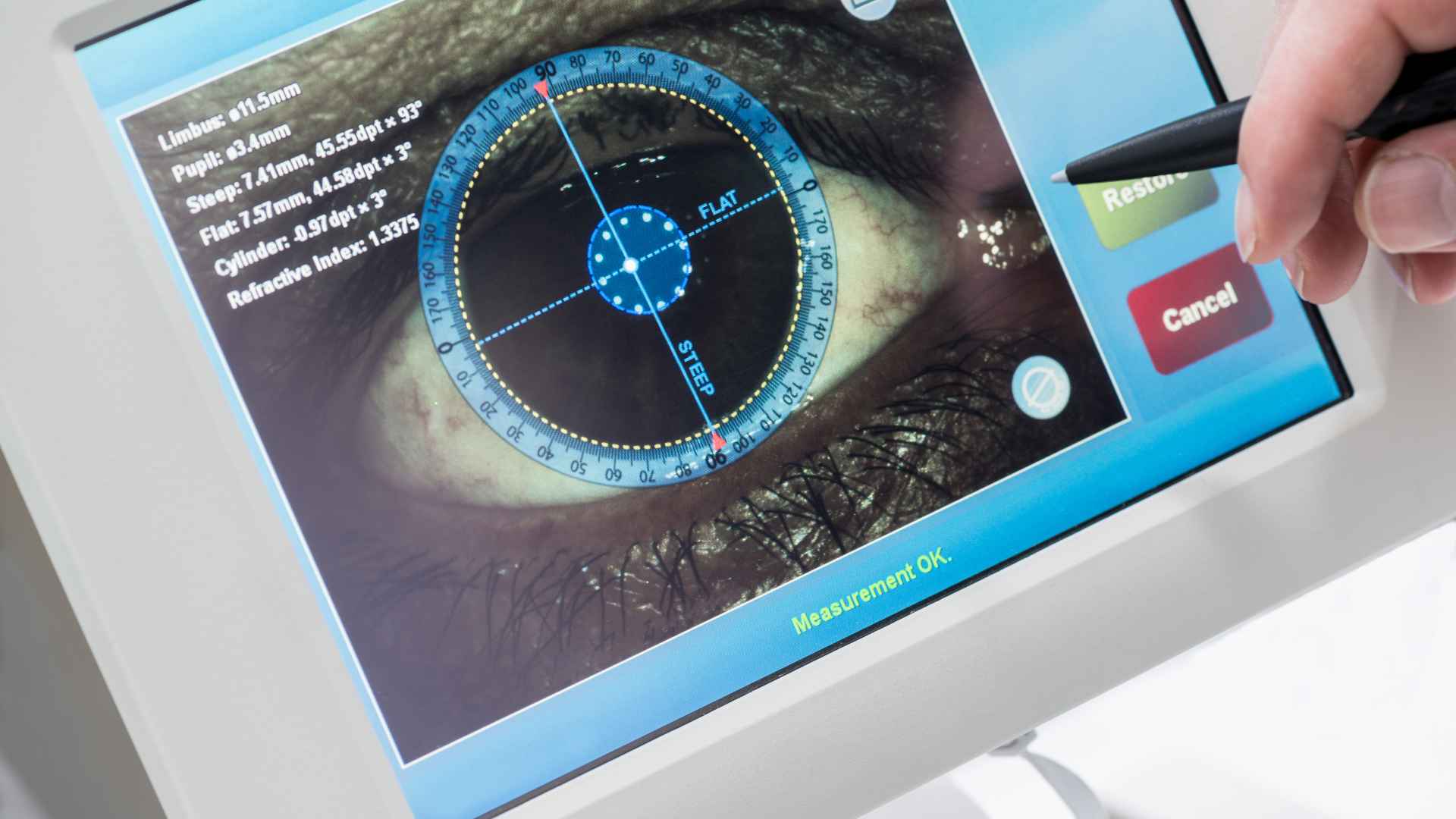
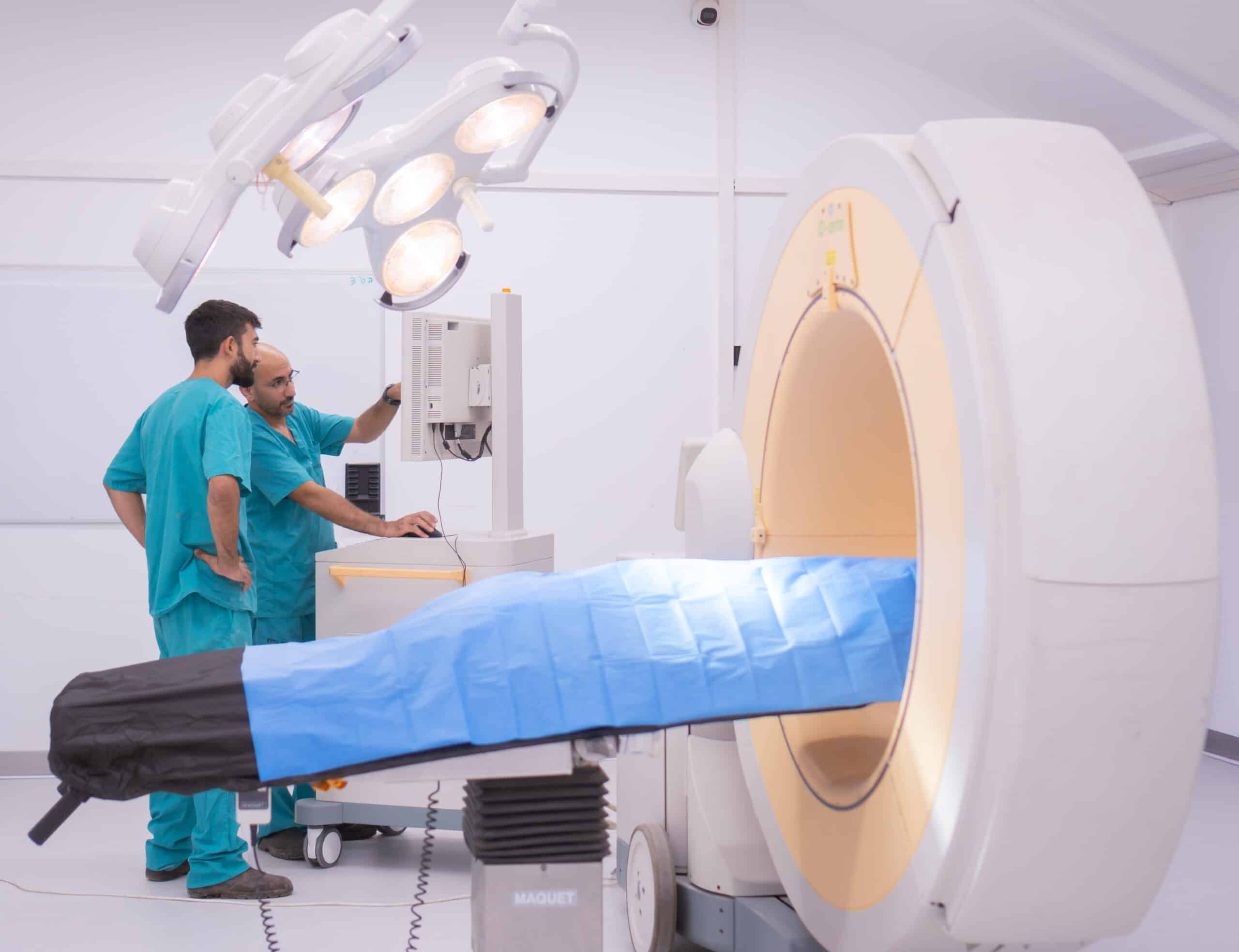
At 8:15 on a Tuesday morning, an FDA investigator pulls a single study binder from the testing facility shelf. The binder contains a ninety-day porcine coronary stent safety evaluation completed six months prior.
The inspector bypasses the executive summary and turns straight to the daily calibration log of the fluoroscopy unit used on day fourteen. An unrecorded recalibration or an unsigned protocol deviation on that single morning can invalidate the entire safety package.
With over two decades of hands-on large animal model experience and a veterinary team that has worked together for more than a decade, we have seen firsthand how preclinical facility audit preparation determines whether translational medical device studies survive rigorous regulatory scrutiny or collapse under data integrity findings. This operational guide outlines how contract research organizations establish systematic verification while maintaining defensible study reconstruction across all laboratory systems.
Failed regulatory inspections force sponsors to repeat chronic animal studies and delay clinical trial authorizations by up to eighteen months. The resulting financial damage often exceeds two million dollars in operational retesting costs and lost patent exclusivity.
A single unsigned protocol deviation on one morning of a ninety-day study can invalidate an entire safety package. Regulatory confidence is not built in the final report — it is built in the daily calibration logs, surgical records, and contemporaneous bench entries that inspectors examine first.
What Is Preclinical Facility Audit Preparation and Who Needs It?
Preclinical facility audit preparation is a structured operational program that readies a testing laboratory to demonstrate full regulatory compliance to visiting inspectors.
This preparation requires thorough gap analysis alongside systematic procedure remediation and practical interview coaching for technical personnel. Testing facilities must verify that every experimental result is completely reconstructible from original raw observations to the signed final summary. Toxicology laboratories and animal surgical facilities performing device implants rely on this disciplined readiness alongside supporting analytical units. Early preparation protects both the testing facility and the device sponsor from catastrophic regulatory rejections during premarket submissions.
Regulatory reviewers evaluate whether the testing environment maintained absolute control over experimental variables throughout the research lifecycle. Without verified historical control, scientific merit alone cannot rescue a nonclinical safety submission.
GLP Inspection vs Study Audit Differences in Preclinical Labs
A fundamental distinction separates broad facility inspections from targeted study data audits. The regulatory boundary between these two oversight actions is detailed in the FDA 1981 Questions and Answers on GLP regulations. A facility inspection evaluates organizational infrastructure and equipment maintenance alongside personnel qualifications and operating procedures.
A study audit examines one completed research package to verify absolute consistency between bench records and submitted reports. During an active regulatory visit, inspectors frequently combine both approaches by reviewing facility management records while auditing a completed cardiovascular safety study. They cross-reference surgical logs, anesthesia records, and tissue histology slides against final tabulated appendices. Discrepancies identified during the study audit immediately trigger deeper investigations into overall facility operations.
How Do You Know If a Testing Facility Is Audit Ready?
True readiness reveals itself through immediate operational verification rather than last-minute administrative panic.
An audit-ready facility answers core compliance questions with verifiable physical evidence in under ten minutes. Personnel must demonstrate what action was performed and which standard procedure directed the authorized step. They must produce original raw data while presenting documented corrective actions taken for protocol deviations. Active operating procedures and resolved corrective action plans prove that management maintains daily control over laboratory operations.
When an archivist retrieves an eighteen-month-old surgical recording without hesitation, inspectors recognize an authentic quality culture. That immediate responsiveness builds regulatory confidence during the critical opening hours of an audit.
Audit readiness is not a project with an end date — it is an operational habit practiced every single day the laboratory is open.
What Do Inspectors Look For During a GLP Audit?
Regulatory investigators evaluate whether a preclinical facility possesses the physical resources and administrative discipline to generate dependable research data. Under official FDA Part III Inspectional guidelines, field auditors inspect animal housing rooms and surgical suites to verify active procedural control.
Inspectors compare environmental control charts against animal health records to confirm that any excursions were reported to the study director. They scrutinize computer audit trails on physiological monitoring units to verify that digital data was recorded contemporaneously. Auditors also examine reagent expiration dates and test article storage conditions to confirm absolute adherence to approved protocols.

Hot Spots That Trigger Immediate Regulatory Findings
Certain recurring deficiencies consistently trigger formal inspection observations during preclinical reviews. A quality assurance unit that exists merely on paper without conducting actual phase inspections represents a severe warning sign for auditors. Unexplained discrepancies between standard operating procedures and actual bench practices also draw immediate regulatory citations. Incomplete sample chain of custody logs and uncalibrated surgical monitoring sensors demonstrate a systemic breakdown in quality management.
Inspectors focus intently on hand-written corrections that lack technician initials and dates. These minor documentation omissions often indicate broader operational negligence across the laboratory team.
Walkthrough of Day One When Regulatory Inspectors Arrive On Site
The first morning establishes the operational tone for the entire regulatory inspection. Investigators present their official credentials and provide formal notices of inspection to facility leadership before requesting initial administrative records.
The inspection team requests the organizational chart alongside the master study schedule and procedure index. Well-prepared facilities guide inspectors directly to a dedicated conference room while establishing an adjacent document staging room for internal review. The facility director gives a twenty-minute orientation covering site layout and operational capabilities before the formal walk-through begins. Controlled communication and prompt record production prevent unnecessary investigator suspicion during these opening hours.
Designated escorts accompany inspectors through every hallway, ensuring that all informal questions are recorded and addressed through formal channels.
During a mock inspection at a large animal surgical facility, the simulated inspectors requested the complete raw telemetry dataset from a coronary stent study completed fourteen months earlier. The archive manager located the study index, dispatched a document runner, and delivered the original telemetry curves and histopathology tissue block logs to the inspection room in under nine minutes — well inside the fifteen-minute window that regulators treat as the threshold for record control concerns. The exercise validated both the master index and the check-out logging procedure.
Preclinical Documentation Errors That Derail Regulatory Submissions
Informal record-keeping practices in surgical suites and animal rooms frequently compromise high-value preclinical submissions. Technicians sometimes record physiological observations on scrap paper with the intention of transcribing them into formal study binders later.
This practice violates good documentation requirements because secondary transcriptions obscure original data and prevent authentic contemporaneous recording. Writing over illegible numbers rather than crossing them out with a single line, date, and explanation represents another frequent error. When researchers fail to document unexpected animal deaths within hours of occurrence, inspectors question the validity of surrounding toxicity findings.
Every entry in an animal chart must stand on its own without requiring verbal explanations months later. Incomplete records destroy study credibility.
What Documents Must Be Prepared in Advance for a Preclinical Compliance Audit?
Comprehensive document preparation allows a contract research organization to fulfill investigator requests without administrative delays. Facilities must organize complete equipment folders containing installation, operational, and performance qualification records alongside recent calibration certificates.
Staff training files must include current position descriptions and verified training records for every active operating procedure. The quality assurance master binder must contain scheduled inspection dates alongside signed audit certificates. For additional regulatory context on quality systems, teams consult our detailed resource on preclinical research GLP Standards before finalizing document staging rooms.
Having these core files organized before the inspection begins eliminates frantic searches and projects institutional competence.
Building an Inspection Room Master Index
A centralized inspection index coordinates record retrieval between the staging room and the investigator table. The document index lists every active operating procedure, historical deviation log, and equipment maintenance record alongside its specific physical or digital location. Assigned document runners use this key to track who retrieved a file, who reviewed it, and when staff delivered it to inspectors.
Maintaining an electronic log of requested documents prevents duplicate deliveries while confirming that inspectors receive complete record packages. The index also tracks which files have been returned to secure archives at the end of each audit day.
How to Prepare Personnel for Inspector Interviews Without Oversharing
Direct interviews test whether operational staff actually follow written laboratory policies during their daily routines.
Technicians and study directors must undergo structured interview training that teaches concise, factual communication. Personnel should answer only the specific question asked and avoid speculative elaborations about other departments or historical practices. If an employee does not know an answer, the correct response is to state that they will consult the appropriate documentation rather than guessing. Staff must never guess about calibration dates, protocol amendments, or supervisory approvals during formal regulatory discussions.
Practicing mock interviews with senior quality assurance managers helps technical staff overcome anxiety and articulate complex surgical procedures calmly. Confident and precise answers reassure auditors that laboratory operations follow disciplined procedural standards.

How to Build a Risk-Based GLP Audit Preparation Plan
Testing facilities must allocate their preparation resources toward operations that present the greatest risk to data integrity.
A risk-based preparation matrix evaluates laboratory functions based on regulatory impact, failure probability, and historical detectability. High-volume data acquisition systems and complex surgical implant suites represent high-risk operations requiring intensive pre-audit scrutiny. Standard facility sanitation records and general consumable inventory controls carry lower risk profiles. By scoring each department systematically, quality assurance units deploy internal auditing teams to resolve significant vulnerabilities weeks before scheduled inspections.
This targeted allocation ensures that critical cardiovascular and orthopedic studies receive comprehensive internal verification before external auditors arrive. Management avoids wasting valuable preparation hours on low-risk administrative files.
- Regulatory impact — score each function by how directly failures would appear in a premarket submission.
- Failure probability — weight functions by historical deviation frequency and staffing complexity.
- Detectability — assess how quickly internal quality controls would catch an error before an inspector does.
- Prioritized deployment — assign internal audit teams to the highest composite scores first, weeks ahead of the inspection.
Running a Mock Audit to Test Study Reconstruction Speed
True audit readiness cannot be evaluated through passive checklist reviews conducted in an administrative office. A full simulation of an unannounced regulatory visit reveals whether the facility can actually reconstruct a complex study under intense clock pressure.
During a simulated inspection, external compliance experts select a completed large animal study and request twenty specific records within strict thirty-minute deadlines. Auditors evaluate whether runners retrieve original telemetry curves and histopathology tissue blocks before the deadline expires. The exercise exposes communication gaps between veterinary technicians, study directors, and the archive manager under realistic inspection conditions.
Identifying retrieval bottlenecks during a drill allows the facility to refine indexing systems long before an official inspector arrives.
What an Inspection Team Measures During Trial Runs
Mock audits measure document retrieval latency and interview consistency across all scientific disciplines. Evaluators track the time required to pull specific raw data binders and verify whether archive check-out procedures were respected. They evaluate whether technicians describe sample handling steps exactly as outlined in current operating procedures. Any discrepancy between written standards and staff responses becomes an immediate focus for targeted corrective coaching.
Simulations also assess the staging room team’s ability to copy, log, and redact proprietary files without delaying document flow. Efficient staging room management prevents friction and maintains professional order throughout the audit.
Closing Preclinical Compliance Gaps Without Creating Paper Compliance
Rushed administrative changes implemented days before an inspection often create more compliance risks than the original gaps.
When facilities discover missing procedures shortly before an audit, managers sometimes rush through cosmetic document updates without conducting staff training. Regulatory investigators easily detect this superficial compliance by comparing the effective date of an operating procedure against technician training signatures. If an updated procedure lacks verified training records, inspectors treat the document as an uncontrolled deviation. Facilities must use formal change control processes and document genuine technical retraining through contemporaneous bench records.
Inspectors respect facilities that acknowledge historical gaps and demonstrate structured corrective action plans over those presenting fresh, unverified documents. Genuine procedural adoption always outweighs hasty paper fixes.
A dated procedure without a matching training signature is treated as an uncontrolled deviation by inspectors. Always pair every procedural change with documented, contemporaneous retraining recorded in bench records — not a backdated attendance sheet.
How Is Data Integrity Demonstrated During an Animal Study Audit?
Demonstrating data integrity requires proof that electronic and physical measurements remain authentic, unaltered, and protected from unauthorized modification throughout their lifecycle. Authoritative international principles for maintaining electronic research records are outlined in the OECD guidance on GLP data integrity.
Laboratories must demonstrate that electronic balances and fluoroscopy image stores use unique user credentials. Shared passwords and disabled audit trails represent immediate indicators of data manipulation to visiting regulatory officials. Quality systems must enforce periodic audit trail reviews to verify that system administrators have not altered raw data entries. Routine automated backups and validated disaster recovery protocols further protect nonclinical datasets from catastrophic loss.
Applying ALCOA+ Principles to Physiological Records
Data integrity relies on the fundamental ALCOA+ framework governing research documentation. Every surgical record and telemetry file must be attributable to the specific technician who recorded the observation. Entries must be legible and recorded contemporaneously at the exact moment of observation. Records must also remain original in form and technically accurate. The extended criteria require complete data packages that stay consistent across related records and endure across multi-year retention schedules while remaining immediately available for regulatory review.
Applying these standards to continuous telemetry or echocardiography recordings ensures that raw signals translate into defensible safety conclusions. Unbroken audit trails substantiate every analytical calculation submitted to regulatory bodies.
What Is Expected of the Quality Assurance Unit Under 21 CFR 58?
The quality assurance unit operates as an independent internal oversight body responsible for verifying regulatory adherence. The statutory duties and independence requirements of this unit are specified under FDA 21 CFR Part 58 organization and personnel regulations.
Quality assurance personnel must remain entirely separate from study conduct to avoid conflicts of interest during audits. They must maintain a master study schedule while reporting inspection findings directly to management. An effective unit verifies that approved study protocols were followed and certifies that final reports accurately reflect original raw data.
When quality auditors maintain continuous phase oversight, study directors identify documentation errors early rather than discovering systemic failures during premarket review.

Writing an Effective CAPA After a Preclinical Inspection Finding
Responding to regulatory audit observations requires a disciplined corrective and preventive action plan rather than defensive excuses.
A compliant response identifies the underlying root cause of the deficiency using structured analysis instead of superficial assumptions. Management must outline immediate corrective steps taken to contain the specific error along with systemic preventive actions to stop future recurrences. The plan must assign named operational owners and define objective criteria to evaluate long-term effectiveness. Relying solely on staff retraining without fixing procedural or technical root causes signals weak quality oversight to regulatory agencies.
Closing an observation requires documented evidence showing that the revised procedure operated effectively across subsequent studies without generating duplicate errors.
Inspectors respect facilities that acknowledge historical gaps and demonstrate structured corrective action plans over those presenting fresh, unverified documents.
— Field experience from preclinical regulatory inspections
Preclinical Compliance Needs and Operational Facility Capabilities
Matching complex regulatory compliance mandates to specialized preclinical facility capabilities ensures that experimental data withstands international scrutiny. The following operational matrix illustrates how dedicated large animal research facilities translate Good Laboratory Practice requirements into verifiable research performance.
| Regulatory Compliance Requirement | Common Operational Challenge | Practical Facility Capability |
|---|---|---|
| Contemporaneous surgical imaging data reconstruction | Delayed export of digital fluoroscopy runs leading to detached image archives | Integrated C-Arm fluoroscopy suites with synchronized digital timestamps and automated archive transfer |
| Independent quality assurance phase audits | Overextended staff conducting self-audits during active device implantation | Dedicated Quality Assurance Unit providing on-site scientific escort and verified phase inspections |
| Continuous environmental monitoring for large animal housing | Manual temperature logging gaps occurring over weekend housing intervals | Automated environmental sensor networks with remote telemetry alerts and validated audit trails |
| Defensible chain of custody for test implants | Incomplete tracking of specialized catheter delivery systems from receipt to disposal | Secure test article storage rooms with controlled access logging and dual-signoff reconciliation |
Integrating advanced imaging systems with specialized animal care units provides translational device developers with verifiable data packages ready for regulatory submission.
A large animal housing operation relying on manual temperature logs repeatedly produced weekend recording gaps during internal reviews. After deploying an automated environmental sensor network with remote telemetry alerts and a validated audit trail, the facility eliminated manual logging entirely. Three consecutive internal audits confirmed zero environmental excursions went unreported to study directors, removing a recurring inspection hot spot before the next regulatory visit.
A sponsor’s catheter delivery systems were tracked through informal handwritten receipts scattered across departmental notebooks. Implementing a secure storage room with controlled access logging and dual-signoff reconciliation produced a complete, unbroken custody record from receipt to disposal. When regulators later requested the full chain for two separate studies, both packages were reconstructed within the fifteen-minute retrieval window without a single gap.
Frequently Asked Questions About Preclinical GLP Audit Preparation
Regulatory inspections raise practical operational questions regarding audit scope, record requests, and facility rights. The following answers address common concerns encountered during preclinical audit preparation.
Establishing Continuous Audit Readiness for Upcoming Regulatory Filings
Regulatory inspections should validate daily operational excellence rather than test a facility’s ability to scramble.
When testing facilities treat quality assurance as an ongoing scientific partnership, audit readiness becomes the natural consequence of routine research discipline. Maintaining verified calibration logs, protecting electronic data integrity, and conducting thorough phase inspections builds a defensible research portfolio that accelerates medical innovation. Every protocol amendment and environmental reading contributes directly to an unassailable regulatory package.
Quality systems protect clinical translation.
— Guiding principle for preclinical compliance programs
Are your ongoing preclinical safety studies structured to withstand rigorous regulatory scrutiny during upcoming international filings? Discuss your study design requirements, surgical imaging specifications, and compliance milestones with the experienced team at BIOTECH FARM to ensure your translational data meets global regulatory standards.