Primary open angle glaucoma affects approximately 64 million individuals worldwide, representing 74% of all glaucoma cases. This progressive optic neuropathy, characterized by retinal ganglion cell degeneration and elevated intraocular pressure, remains the second leading cause of irreversible blindness globally. Despite advances in detection and treatment, approximately half of primary open angle glaucoma cases remain undiagnosed due to the disease’s asymptomatic progression until advanced stages.
What Mechanisms Drive Primary Open Angle Glaucoma Pathophysiology?
Primary open angle glaucoma develops through mechanical and vascular pathways. Elevated intraocular pressure creates mechanical stress on the lamina cribrosa, compressing optic nerve fibers and disrupting axonal transport of neurotrophic factors from the lateral geniculate nucleus to retinal ganglion cells.
The trabecular meshwork undergoes structural deterioration in this condition. Extracellular matrix abnormalities in the juxtacanalicular region near Schlemm canal reduce drainage capacity. Trabecular endothelial cell loss and decreased phagocytic activity further impair aqueous humor outflow, while production remains normal.
Vascular dysfunction contributes to disease progression through reduced optic nerve blood supply, causing ischemic injury. This mechanism particularly affects normal-tension glaucoma patients, who show higher rates of vasospastic conditions like migraines and Raynaud syndrome. Current research examines how abnormal translaminar cribrosa pressure differential between intraocular and intracranial pressure accelerates optic nerve damage.
How Does Primary Open Angle Glaucoma Prevalence Vary Globally?
Global primary open angle glaucoma prevalence shows significant variation, affecting 3.05% of adults aged 40-80 years, with 79.76 million projected cases by 2040. Africa demonstrates the highest regional prevalence at 4.20%, substantially exceeding rates in European and American regions.
Age dramatically impacts incidence, escalating from 5.51 per 10,000 person-years among 40-44 year-olds to 64.36 per 10,000 among 75-79 year-olds. African Americans face 6-8 fold higher blindness risk, experiencing earlier onset and more severe progression.
United States projections indicate 7.32 million cases by 2050, with demographic shifts showing the largest affected group transitioning from non-Hispanic white women to Hispanic men. Socioeconomic factors independently correlate with disease severity, with higher poverty rates associated with increased glaucoma progression regardless of racial background.
What Risk Factors Increase Primary Open Angle Glaucoma Susceptibility?
Elevated intraocular pressure represents the most significant modifiable risk factor in glaucoma development. Two-thirds of primary open angle glaucoma patients present with intraocular pressure exceeding 21 mmHg. Patients with pressures of 28 mmHg demonstrate 15-fold higher risk of visual field loss compared to those at 22 mmHg. The Ocular Hypertension Treatment Study revealed 10% five-year conversion risk from ocular hypertension to glaucoma among untreated patients.
Age constitutes a critical non-modifiable factor, with prevalence increasing from 2-4% in individuals aged 40 and older to approximately 10% in those 75 and older. Family history in first-degree relatives increases risk 2-4 fold. Genetic studies identify mutations in MYOC, ASB10, WDR36, and related genes associated with disease development.
Anatomical variations including thinner central corneal thickness correlate with higher conversion risk. High myopia associates with increased susceptibility. Systemic conditions including diabetes mellitus and cardiovascular disease demonstrate associations with disease progression.
How Does Racial Background Influence Primary Open Angle Glaucoma Risk?
African ancestry confers substantially elevated risk compared to European ancestry populations. Research attributes this disparity partly to intrinsic physiological differences, including shorter trabecular meshwork height and thinner central corneal thickness. Environmental factors including high ambient temperatures in African regions may contribute to regional variations.
Asian populations show higher prevalence of normal-tension glaucoma variants, particularly in Japanese populations. The Inuit population demonstrates highest prevalence of angle-closure glaucoma rather than open-angle variants. Hispanic populations show increasing prevalence in United States demographic studies, with projections indicating this group will constitute the largest affected demographic by mid-century.
Which Diagnostic Approaches Enable Early Primary Open Angle Glaucoma Detection?
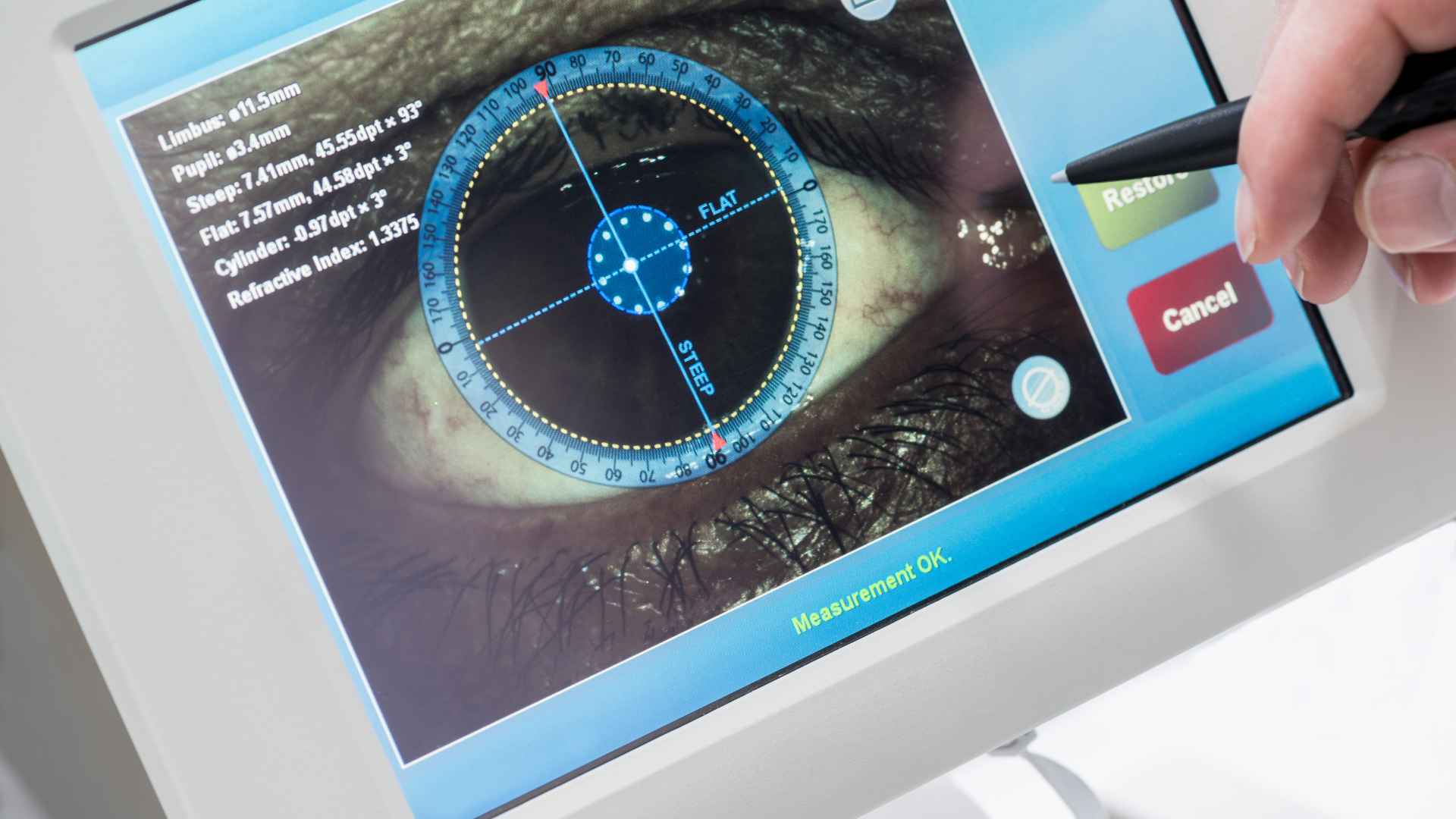
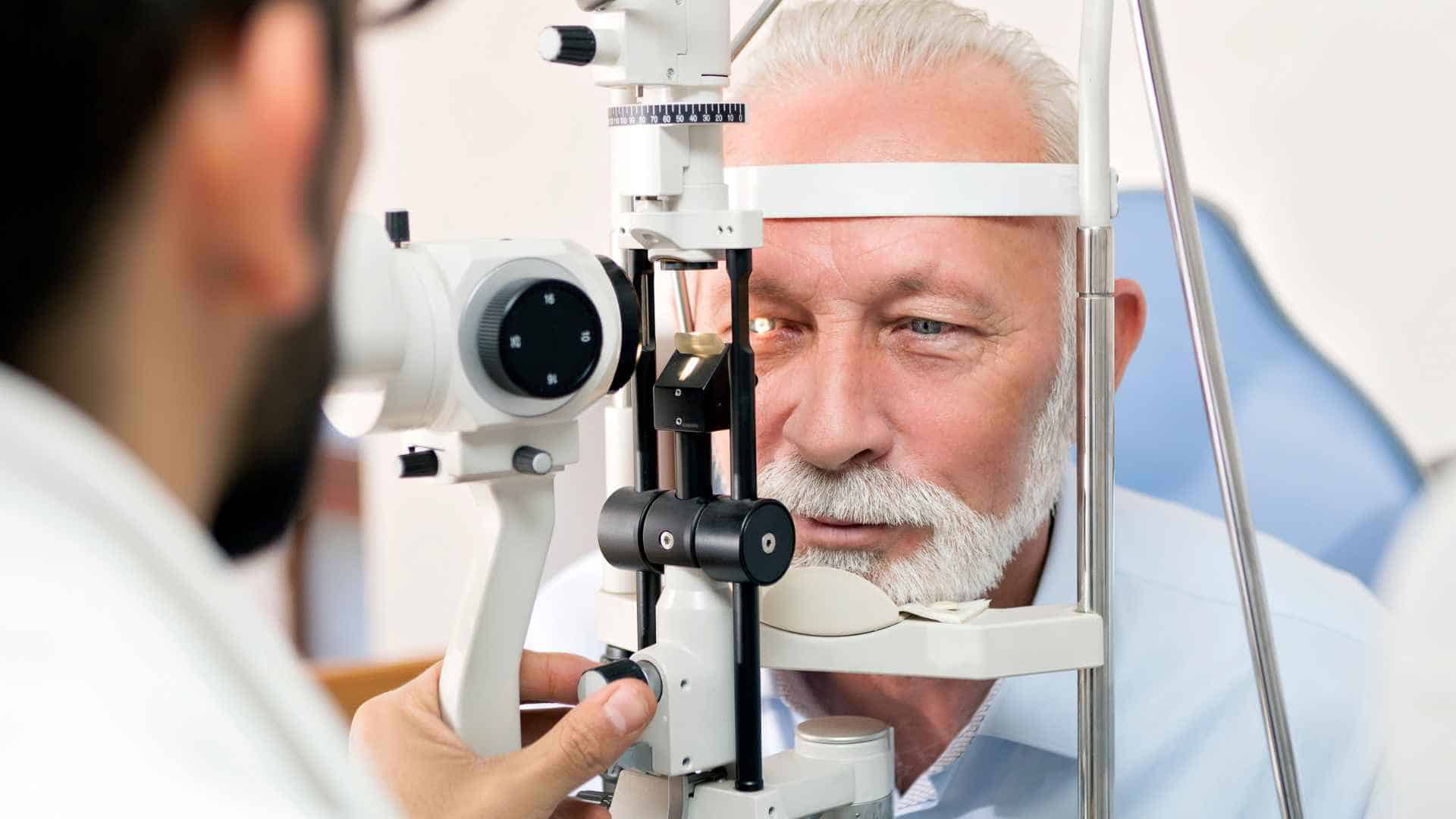
Early diagnosis of primary open angle glaucoma requires multiple complementary assessment techniques. Tonometry measures intraocular pressure through Goldmann applanation or ocular response analyzer, with readings adjusted for corneal thickness variations. Gonioscopy confirms open anterior chamber angles, distinguishing POAG from angle-closure forms.
Optic nerve evaluation identifies characteristic changes: increased cup-to-disc ratio exceeding 0.5, vertical cupping elongation, and neuroretinal rim thinning. Nerve fiber layer hemorrhages crossing the disc margin represent critical diagnostic markers. Optical coherence tomography enables quantitative assessment of retinal nerve fiber layer and macular ganglion cell thickness.
Automated perimetry using SITA Faster protocols detects functional deficits, revealing arcuate defects that respect the horizontal meridian. Visual field abnormalities typically emerge nasally, corresponding to disc changes. Advanced technologies including confocal scanning laser ophthalmoscopy and frequency doubling perimetry enhance early structural and functional damage detection.
What Treatment Options Effectively Manage Primary Open Angle Glaucoma Progression?
Prostaglandin analogs constitute first-line pharmacological therapy, reducing intraocular pressure by 25-35% through increased uveoscleral outflow. Latanoprost, bimatoprost, and travoprost demonstrate superior efficacy compared to older medication classes. Novel prostaglandin agents including omidenepag isopropyl and sepetaprost target additional receptor mechanisms, potentially offering enhanced efficacy profiles with reduced adverse effects.
Beta-blockers including timolol reduce aqueous production through ciliary body receptor blockade. Carbonic anhydrase inhibitors (dorzolamide, brinzolamide) decrease aqueous secretion through enzyme inhibition. Alpha-2 agonists reduce production while potentially enhancing uveoscleral outflow. Fixed combination medications improve adherence by reducing drop burden.
How Do Sustained-Release Implants Transform Primary Open Angle Glaucoma Management?
Bimatoprost sustained-release implants provide approximately 12 months of continuous intraocular pressure reduction following single intracameral administration. Travoprost extended-release implants demonstrate nearly 36-month efficacy duration. These technologies address medication non-adherence, the primary cause of treatment failure, reducing patient burden from multiple daily eye drop instillations.
Investigational drug delivery systems include bimatoprost-eluting contact lenses achieving biweekly replacement schedules with comparable efficacy to daily eye drops. Hyaluronic acid incorporation addresses concurrent dry eye symptoms, common in patients using topical medications. Biotech Farm LTD supports pharmaceutical companies in conducting GLP safety studies for novel drug delivery device development.
What Role Do Laser and Surgical Interventions Play in Primary Open Angle Glaucoma Treatment?
Selective laser trabeculoplasty reduces intraocular pressure by 6-8 mmHg through trabecular meshwork stimulation, demonstrating 29% slower glaucoma progression compared to medication as first-line therapy. Direct selective laser trabeculoplasty applies treatment through a limbal approach within 2 seconds, offering simplified procedure compared to traditional gonioscopy-based techniques.
Minimally invasive glaucoma surgery procedures provide safer alternatives to traditional filtration surgery, particularly when combined with cataract extraction. Trabecular micro-bypass stents, goniotomy techniques, and suprachoroidal shunt devices offer intermediate efficacy between medications and trabeculectomy. Goniotomy proves particularly valuable in resource-constrained settings due to affordability considerations.
Trabeculectomy remains the standard filtration procedure for advanced cases unresponsive to medical and laser therapy, creating controlled aqueous outflow to subconjunctival space. Glaucoma drainage devices including Ahmed and Baerveldt implants provide alternative surgical options for comprehensive disease management.
What Emerging Neuroprotective Strategies Show Promise for Primary Open Angle Glaucoma?
Nicotinamide demonstrates neuroprotective properties in preclinical models, potentially supporting mitochondrial function and retinal ganglion cell survival. Pyruvate supplementation shows promise in reducing oxidative stress. Rho-kinase inhibitors including netarsudil lower intraocular pressure while potentially improving trabecular meshwork function through cytoskeletal modulation.
Gene therapy approaches target underlying pathogenic mechanisms, including RNA interference to downregulate connective tissue growth factor expression and inhibit TGF-β2-induced trabecular meshwork contractility. Stem cell therapies aim to restore retinal ganglion cell populations, though clinical translation remains investigational. Caspase inhibition represents another potential adjunctive strategy for preventing apoptotic cell death.
How Can Biotech Farm Support Primary Open Angle Glaucoma Research and Development?
Biotech Farm delivers specialized preclinical research services for primary open angle glaucoma therapeutics. With three decades of biomedical research expertise, the facility develops large animal models that replicate human glaucoma pathophysiology, enabling accurate treatment efficacy evaluation.
The facility conducts GLP-compliant studies required for FDA and international regulatory submissions. Services span drug efficacy testing from concept through pre-regulatory implementation, supporting pharmaceutical and medical device companies advancing toward clinical trials.
Ophthalmology-focused capabilities include intraocular pressure monitoring, optical coherence tomography (OCT), visual electrophysiology, and histopathological evaluation. The specialized team performs ocular surgical procedures and maintains chronic disease models using advanced equipment for pharmacokinetic studies and sustained-release formulation assessment.
Medical device validation services support development of glaucoma drainage devices, drug delivery systems, and diagnostic technologies. Biotechfarm collaborates with Israeli and international companies, accelerating therapeutic advancement to reduce primary open angle glaucoma burden.