Ophthalmic drug bioavailability represents one of the most critical challenges in modern eye care, determining how effectively medications reach their intended targets within the complex ocular environment. With over 2 billion people worldwide suffering from vision impairment according to the WHO, understanding and enhancing drug bioavailability has become paramount for developing effective treatments.
The unique anatomical and physiological barriers of the eye create significant obstacles, with conventional eye drops achieving less than 5% bioavailability despite accounting for approximately 90% of all ophthalmic medications currently in use.
How Do Anatomical Barriers Affect Ophthalmic Drug Bioavailability?
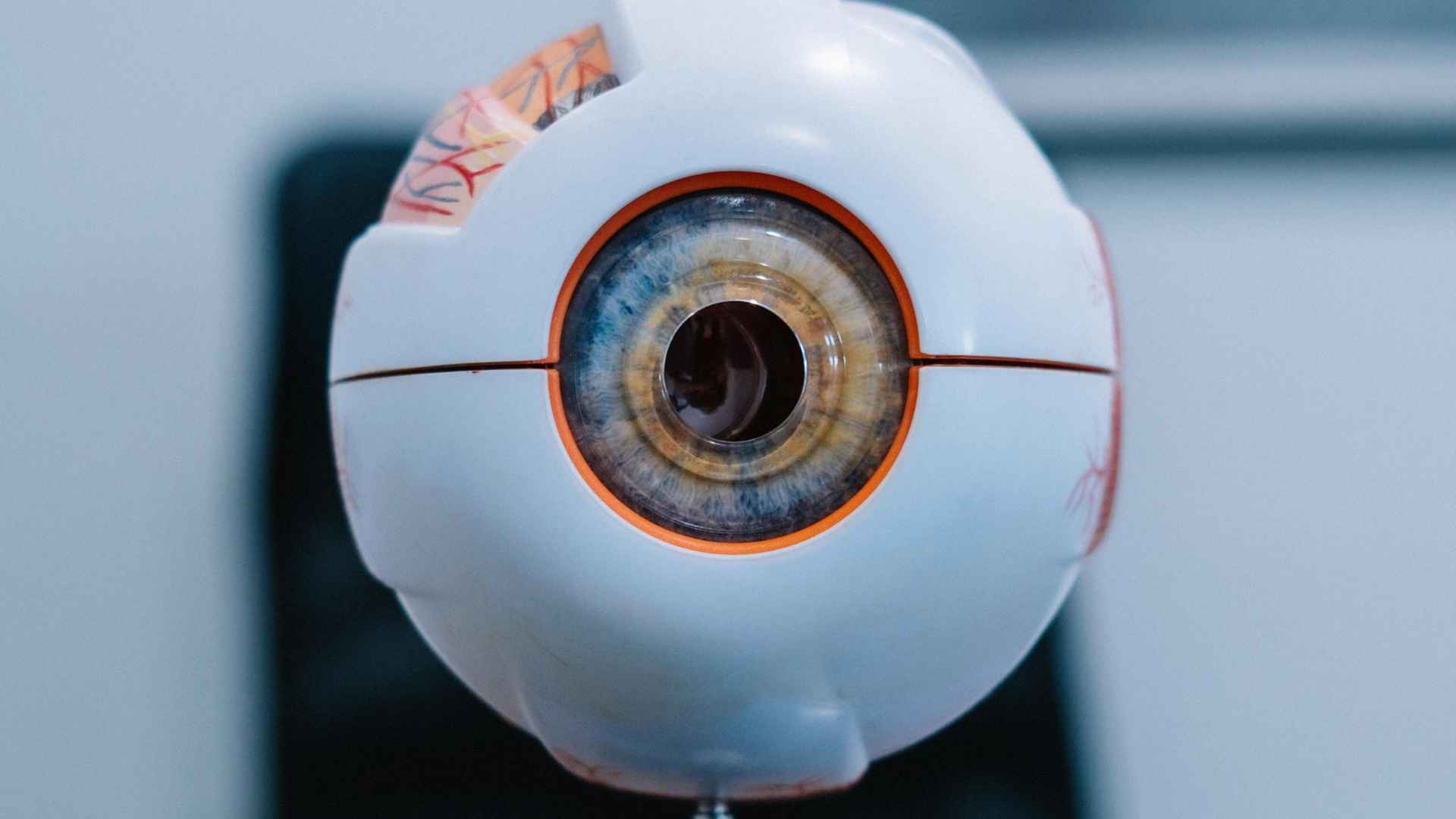
The eye’s sophisticated defense mechanisms, while protecting this vital organ, simultaneously pose formidable challenges for drug delivery. The corneal barrier, consisting of lipophilic epithelium, hydrophilic stroma, and endothelium, creates a selective permeability pattern that significantly reduces ophthalmic drug bioavailability.
Each layer exhibits distinct properties: the epithelium blocks hydrophilic substances, while the stroma impedes lipophilic drug penetration. This multi-layered structure requires innovative formulation strategies to achieve therapeutic concentrations at target sites.
What Role Does Tear Turnover Play in Ophthalmic Drug Bioavailability?
Rapid tear turnover and nasolacrimal drainage dramatically impact ophthalmic drug bioavailability, with less than 20% of applied medication remaining on the ocular surface after a single blink. The precorneal residence time typically spans only 5-7 minutes, creating a narrow window for drug absorption. Recent studies from 2024 demonstrate that tear film dynamics, combined with blinking reflexes and conjunctival blood flow, can eliminate up to 95% of topically applied medications before they penetrate ocular tissues.
![Diagram: Drug Elimination Pathways in the Eye] Figure 1: Multiple pathways of drug elimination following topical application, showing tear drainage (40%), conjunctival absorption (30%), corneal penetration (<5%), and systemic absorption (25%)
How Can Nanotechnology Enhance Ophthalmic Drug Bioavailability?
Cutting-edge nanotechnology platforms have emerged as game-changers in improving ophthalmic drug bioavailability, offering unprecedented control over drug release and tissue penetration. Nanoparticles, ranging from 10-1000 nanometers, can encapsulate both hydrophilic and lipophilic drugs while protecting them from enzymatic degradation. Recent 2024 research highlights that nanoparticle formulations can increase drug bioavailability by 300-500% compared to conventional eye drops, with sustained release profiles extending therapeutic effects from hours to weeks.
What Advanced Formulation Strategies Improve Drug Penetration?
Modern pharmaceutical approaches to enhancing ophthalmic drug bioavailability include sophisticated delivery systems that overcome traditional barriers. In-situ gelling systems transition from liquid to gel upon contact with ocular fluids, extending residence time from minutes to hours.
Liposomal formulations have demonstrated particular success, with studies showing improved bioavailability for drugs like cyclosporine A, achieving therapeutic concentrations previously unattainable with conventional formulations. These amphiphilic structures interact with tear film components, creating a protective sublayer that facilitates drug distribution across the ocular surface.
Which Polymer Technologies Optimize Ophthalmic Drug Bioavailability?
Biocompatible polymers play a crucial role in modern strategies to enhance ophthalmic drug bioavailability through controlled release mechanisms. Hyaluronic acid, chitosan, and polyethylene glycol (PEG) have gained FDA approval for various ophthalmic applications, demonstrating excellent safety profiles while significantly improving drug retention.
Research published in 2024 reveals that thiolated polymers can increase precorneal residence time by forming disulfide bonds with ocular mucins, resulting in 10-fold improvements in drug bioavailability compared to unmodified formulations.

How Do Implantable Systems Revolutionize Ophthalmic Drug Bioavailability?
Long-acting implantable devices represent a paradigm shift in addressing ophthalmic drug bioavailability challenges, particularly for chronic conditions requiring sustained therapeutic levels. The recently FDA-approved iDose TR (travoprost intracameral implant) exemplifies this approach, providing continuous drug delivery for glaucoma treatment while eliminating compliance issues. These systems bypass traditional barriers entirely, achieving 100% bioavailability at the target site while reducing systemic exposure and associated side effects.
Table 1: Comparative Bioavailability of Different Ophthalmic Drug Delivery Systems
| Delivery System | Bioavailability Range | Key Advantages | Limitations |
| Conventional Eye Drops | 1-5% | • Easy to administer<br>• Low cost<br>• Widely available | • Poor retention<br>• Frequent dosing<br>• Low patient compliance |
| Enhanced Formulations | 10-15% | • Improved viscosity<br>• Better retention<br>• Moderate cost | • Temporary blurred vision<br>• Multiple daily doses needed |
| Nanoparticle Systems | 20-30% | • Sustained release<br>• Protected drug<br>• Enhanced penetration | • Higher cost<br>• Complex manufacturing<br>• Regulatory challenges |
| Ocular Implants | 95-100% | • Direct delivery<br>• Long-acting<br>• Excellent compliance | • Invasive procedure<br>• Higher initial cost<br>• Surgical risks |
What Are the Latest Clinical Breakthroughs in Ophthalmic Drug Bioavailability?
The year 2023-2024 witnessed unprecedented advances in ophthalmic drug bioavailability, with twelve FDA approvals introducing novel delivery mechanisms. Vevye (cyclosporine 0.1%) achieved clinical efficacy within four weeks through optimized formulation, while Miebo (perfluorohexyloctane) became the first FDA-approved treatment specifically designed to reduce tear evaporation. Gene therapy platforms using adeno-associated vectors now enable single-treatment protocols for conditions previously requiring lifelong medication, fundamentally transforming the bioavailability landscape.
How Does Biotech Farm LTD Advance Ophthalmic Drug Bioavailability Research?
Biotech Farm LTD stands at the forefront of ophthalmic drug bioavailability research, leveraging over 30 years of expertise in preclinical development. Their state-of-the-art facility specializes in large animal studies that provide critical data on drug behavior in physiologically relevant models.
Through comprehensive GLP validation studies and pre-regulatory assessments, Biotech Farm LTD evaluates novel formulations designed to overcome bioavailability barriers, supporting both Israeli BioMed companies and international pharmaceutical partners in developing next-generation ophthalmic therapeutics.
What Future Innovations Will Transform Ophthalmic Drug Bioavailability?
Emerging technologies promise to further revolutionize ophthalmic drug bioavailability, with smart responsive systems leading the charge. These platforms can react to endogenous triggers like pH changes or enzymatic activity, releasing drugs precisely when needed.
Encapsulated cell therapy (ECT) platforms, currently in late-stage development, could provide continuous protein production within the eye, potentially achieving sustained therapeutic levels for years. Machine learning algorithms are now being employed to predict and optimize formulation parameters, accelerating the development of high-bioavailability drug delivery systems.
Table 2: FDA-Approved Ophthalmic Drugs 2023-2024: Bioavailability Innovations
| Drug Name | Active Ingredient | Indication | Bioavailability Enhancement | Approval Date |
| Syfovre | Pegcetacoplan | Geographic Atrophy | Intravitreal delivery achieving 100% local bioavailability | Feb 2023 |
| MydCombi | Tropicamide/Phenylephrine | Mydriasis | Microdose spray technology reducing systemic absorption by 80% | May 2023 |
| Miebo | Perfluorohexyloctane | Dry Eye Disease | Reduces tear evaporation, extending drug residence 4x | May 2023 |
| Vevye | Cyclosporine 0.1% | Dry Eye Disease | Novel formulation achieving efficacy in 4 weeks vs 12 weeks | July 2023 |
| Qlosi | Pilocarpine 0.4% | Presbyopia | Lower concentration maintains efficacy with reduced side effects | Oct 2023 |
| Vabysmo | Faricimab | Retinal Vein Occlusion | Bispecific antibody with extended durability (16 weeks) | Oct 2023 |
| iDose TR | Travoprost | Glaucoma | Sustained-release implant providing continuous delivery | Dec 2023 |
| Izervay | Avacincaptad pegol | Geographic Atrophy | Monthly intravitreal with improved retinal penetration | Aug 2023 |
How Do Preservative-Free Formulations Impact Ophthalmic Drug Bioavailability?
The shift toward preservative-free formulations represents a significant advancement in ophthalmic drug bioavailability optimization, addressing both efficacy and safety concerns. Preservatives like benzalkonium chloride, while preventing microbial contamination, can damage corneal epithelium and reduce drug penetration. Recent studies demonstrate that preservative-free formulations not only improve patient tolerance but can enhance bioavailability by 20-30% through reduced inflammation and maintained epithelial integrity. This trend has led to innovative packaging solutions including multi-dose preservative-free systems that maintain sterility while maximizing drug delivery efficiency.
What Measurement Techniques Assess Ophthalmic Drug Bioavailability?
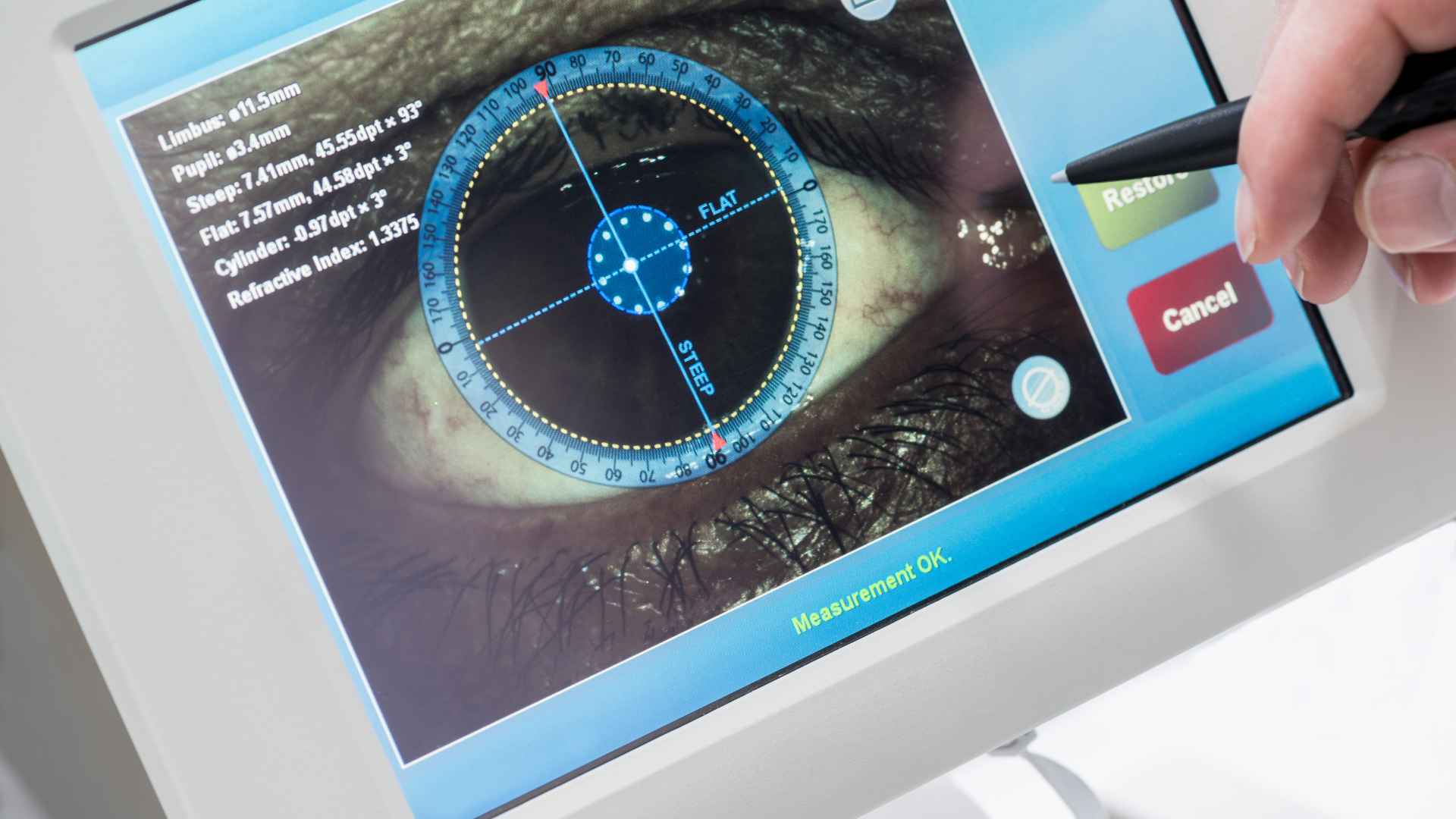
Accurate assessment of ophthalmic drug bioavailability requires sophisticated analytical techniques and carefully designed pharmacokinetic studies. Microdialysis, confocal microscopy, and LC-MS/MS analysis enable researchers to track drug concentrations in various ocular compartments with unprecedented precision.
Recent advances in imaging technologies allow real-time visualization of drug distribution, providing insights into barrier penetration and accumulation patterns. These methodologies are essential for optimizing formulations and demonstrating bioequivalence in regulatory submissions.
How Do Combination Therapies Affect Ophthalmic Drug Bioavailability?
Multi-drug formulations present unique challenges and opportunities for enhancing ophthalmic drug bioavailability through synergistic effects. Fixed-dose combinations like MydCombi (tropicamide/phenylephrine) demonstrate how careful formulation can maintain individual drug bioavailability while simplifying administration.
Research indicates that certain drug combinations can actually enhance mutual penetration through complementary mechanisms, such as one component acting as a permeation enhancer for another. This approach is particularly valuable in treating complex conditions like glaucoma or inflammatory disorders requiring multiple therapeutic agents.

Why Is Patient Compliance Critical for Ophthalmic Drug Bioavailability?
Even optimal ophthalmic drug bioavailability becomes irrelevant without proper patient adherence to treatment regimens. Studies reveal that up to 60% of patients struggle with correct eye drop administration technique, potentially reducing actual bioavailability to negligible levels. Educational interventions, simplified dosing schedules, and user-friendly delivery devices directly impact therapeutic outcomes. Smart packaging with dosing reminders and telehealth monitoring systems are emerging as valuable tools to ensure patients achieve the intended bioavailability benefits of their medications.
What Regulatory Considerations Guide Ophthalmic Drug Bioavailability Studies?
Regulatory frameworks for ophthalmic drug bioavailability have evolved significantly, with agencies requiring comprehensive data on absorption, distribution, and elimination profiles. The FDA and EMA have established specific guidelines for demonstrating bioequivalence in generic ophthalmic products, recognizing the unique challenges posed by ocular barriers. Biotech Farm LTD’s expertise in conducting GLP-compliant studies ensures that novel formulations meet stringent regulatory requirements while advancing the science of ophthalmic drug delivery.
Advancing Ophthalmic Drug Bioavailability for Better Outcomes
The quest to enhance ophthalmic drug bioavailability continues to drive innovation in pharmaceutical sciences, with breakthrough technologies transforming treatment possibilities for millions of patients worldwide. From nanotechnology platforms achieving 30-fold bioavailability improvements to gene therapy offering permanent solutions, the landscape of ocular therapeutics is rapidly evolving.
As research facilities like Biotech Farm LTD continue pushing the boundaries of drug delivery science, the future holds promise for overcoming the eye’s formidable barriers and delivering sight-saving treatments with unprecedented efficiency.
Ready to advance your ophthalmic drug development project? Contact Biotech Farm LTD today and harness our comprehensive pre-clinical research services and state-of-the-art facilities to leverage your innovative ideas. Our experienced team specializes in overcoming bioavailability challenges through innovative large animal studies and GLP validation protocols. Visit our website or call to discuss how we can accelerate your path from concept to clinical success in ophthalmic drug delivery.
References
- World Health Organization. (2024). Global eye health statistics and vision impairment data.
- Review of Approaches for Increasing Ophthalmic Bioavailability for Eye Drop Formulations. AAPS PharmSciTech. 2021;22(3):124.
- Bisen et al. (2024). A review on polymers in ocular drug delivery systems. MedComm – Biomaterials and Applications.
- FDA Ophthalmic Drug Approvals Database. (2023-2024). Recent approvals in ophthalmology.
- Ocular Drug Delivery: a Comprehensive Review. AAPS PharmSciTech. 2023;24(2):66.
- Advancements in Ocular Drug Delivery Technologies. Ophthalmology Times. December 2024.
- Horvát G, et al. (2020). Thiolated polymers as potential in situ gelling, ocular mucoadhesive drug delivery systems.
- Recent Advances of Ocular Drug Delivery Systems: Prominence of Ocular Implants. Pharmaceutics. 2023;15(6):1746.