How to Choose a Preclinical CRO Suited for GLP Research
A development director at a medical device company discovers, one month before submitting an IND package, that regulators are returning pointed questions about the study reports — because of a three-hour gap in anesthesia records and a missing independent supervisor signature on raw data. Selecting a preclinical provider with a genuine quality framework rests on four solid foundations: a completely independent quality unit and documented audit capability at every stage, plus rigorous data integrity and full transparency before the contract is even signed. A superficial choice that relies only on a list of laboratory equipment misses exactly the factors that derail advanced development programs: unmanaged deviations, gaps in contemporaneous documentation, and fundamental weaknesses in the chain of scientific data custody.
Large animal studies demand significant financial investment and costly working time, and a single documentation failure can disqualify an entire study series and delay entry into the clinical phase by at least six months. This article defines practical benchmarks for distinguishing marketing claims from the audit-ready capability that meets the strictest standards of global health authorities. The search for a quality CRO begins with a deep understanding of the regulatory requirements for preclinical research.
Preclinical quality assurance is not a technical exercise of checking forms — it is a direct guarantee that every data point collected in the surgical suite accurately reflects the physiological reality.
Exclusive Insight from Our QA Team
In more than two decades of setting up large animal models we have seen one pattern repeat: sponsors lose regulatory time not because the science was wrong but because nobody could prove who did what with which instrument and when. A single unsigned anesthesia line item can stall an IND review. Build your provider selection around provable audit trails — not impressive equipment lists.
What Is the Difference Between QA and QC in Preclinical Research
Quality control (QC) focuses on day-to-day operational checks inside the process itself, while quality assurance (QA) is a systemic and completely independent oversight mechanism. QC personnel verify in real time that balance calibration is current, that room temperature is maintained around 21 degrees, and that every field on the study form was properly completed by the researcher. QA personnel, however, are not involved in conducting the study itself. Their role is to verify that the facility, the procedures, and all collected data conform to the approved study plan and to the binding GLP regulations. QC can operate from within the project team. In contrast, the QA unit must function without managerial dependency on the researchers to guarantee absolute reliability of the findings.
When Is QC Sufficient and When Is an Independent Audit Required
Early feasibility studies or internal screening experiments can sometimes rely on local QC mechanisms, since their purpose is rapid engineering decisions within the development team. When you reach official safety studies intended for regulatory submission, independent oversight by a dedicated QA body is required. When planning the study timeline, make sure that project management includes explicit treatment of QA aspects. Without independent review, regulatory bodies will treat the data with heightened suspicion.
What Is the Role of the GLP Quality Assurance Unit
The QAU operates as an independent body that monitors the study stages and confirms that the final report accurately reflects the raw data actually collected. The unit’s independence is examined through its reporting lines and its direct authority to present deficiencies straight to senior facility management. FDA regulations on study personnel and organizational certification require the QAU to maintain a central master schedule of all nonclinical studies at the site. If the QA manager reports to the principal investigator or the project manager, a structural conflict of interest is created that undermines the credibility of the oversight in the eyes of the authorities.

The independence of the quality unit determines the fate of the entire regulatory package. — BIOTECH FARM Ltd. Quality Leadership
What Types of Nonclinical QA Audits Exist in Research
Quality audits are divided into four main categories that together create a tight control picture across the course of the study. Facility and system audits examine the integrity of the structure, the standard operating procedures and staff training plans, and the calibration systems and sample archive. Study audits focus on critical phases of the actual experiment, from preparation of the test article through sample collection from the animals. Data audits verify every value in the final report against the original raw records, including statistical calculations and charts. Computerized system audits confirm that every digital record is protected against deletion and backed up on a regular schedule.
A skilled research team operating in a supervised environment enables startups to present data that is resilient to scrutiny by health authorities around the world.
Facility & System Audits
SOPs and staff qualifications plus instrument calibration and archive conditions — the foundation that must be verified before any study begins.
Study Audits
Real-time presence at critical phases: first dosing and surgical implantation, plus anesthesia monitoring and vital sign recording.
Data & Computerized System Audits
Audit trails, access controls, and validated backups plus traceability of every reported value back to signed raw records.
Timing of Quality Audits Across Animal Study Phases
Quality audits do not happen only at the end of the study — they are spread across the entire research timeline at predefined checkpoints. The facility and system inspection usually takes place at the start of the engagement with the provider or as part of a periodic annual review. Study audits occur at critical stages, such as administering the first dose to a pig or performing a cardiovascular valve implantation in the surgical suite. Data audits take place immediately after data collection is complete and before the final report draft is distributed. That is when it often becomes clear that correcting a recording error in real time prevents the disqualification of months of data.
Comparing Quality Audit Types in Preclinical Research
Understanding the differences between audit types allows researchers to assess the readiness level of a service provider before work begins.

| Audit Type | Primary Timing | Main Focus | Required Deliverable for Sponsor |
|---|---|---|---|
| Facility & systems audit | Before engagement and periodically | SOPs, instrument calibration, staff qualifications | Facility compliance report and standards certification |
| Critical phase audit | In real time during study procedures | Protocol adherence, dosing, contemporaneous documentation | Real-time audit records and deviation report |
| Data & final report audit | After completion of data collection | Full match between raw data and written report | Signed quality assurance statement |
| Computerized systems audit | At system implementation or version change | Audit trails, access control, backups | System validation report and data integrity assurance |
Even the most advanced instrumentation cannot compensate for a lack of traceability in study records.
Our Audit Methodology
With over 20 years of hands-on large animal model experience and a veterinary team that has worked together for more than a decade, we follow a strict audit sequence:
- Protocol review against applicable regulatory requirements before the first animal arrives
- Risk-based presence at sensitive surgical and dosing phases
- Line-by-line verification of raw records, histopathology, and statistical tables
- A detailed, signed QA statement confirming the report fully reflects collected findings
What You Must Request From a Provider Before Signing a Contract
Before signing a work agreement with a preclinical provider, it is advisable to demand a professional transparency package that validates its oversight capabilities. The package should include a current index of standard operating procedures, an organizational chart demonstrating the independence of the QA unit, and a sample quality statement from a previous study. You should also request details of defined response times for handling study deviations, and verify who is authorized to approve corrective actions. A provider that avoids exposing basic procedures and promises that “everything will be sorted out later” is signaling operational weakness. Full transparency prevents unnecessary delays.
Case Study: The Three-Hour Anesthesia Gap
A medical device sponsor submitted an IND package built on a large animal safety study. Regulatory reviewers flagged a three-hour discrepancy between the anesthesia machine log and the handwritten surgical record, along with a missing independent sign-off on raw data. The result: a formal information request, a six-month delay to the clinical phase, and a repeated surgical series. A CRO with a functioning QAU and real-time critical phase audits would have caught both issues on the day they occurred — for a fraction of the cost.
Documentation Requirements by Quality and Supplier Category
Quality requirements are divided into four main groups of documents that every researcher should demand from the provider. In the general quality category, a master schedule of the unit and change control procedures are required. In the study category, an approved study plan template including deviation definitions and precise veterinary working methods is mandatory. In the data category, backup and information recovery procedures and a rigorous data integrity policy are required. In the sub-supplier category, a qualification procedure for external laboratories analyzing histological or biochemical samples is needed. Advance coordination of these documents prevents regulatory surprises down the road.
Stages of QA Work From Study Planning to the Final Report
The quality assurance process begins even before the animals arrive at the facility, with a critical review of the study plan and its alignment with the relevant regulatory requirements. Unit personnel perform surprise inspections and planned audits during the active study phase in large animals at critical stages such as anesthesia, test article administration, and vital sign monitoring. Laboratory reports, histopathology records, and calculation tables are checked against the original raw forms signed by the technicians after the animal phase is complete. The final stage includes writing a detailed quality statement confirming that the report fully and accurately reflects the collected findings.
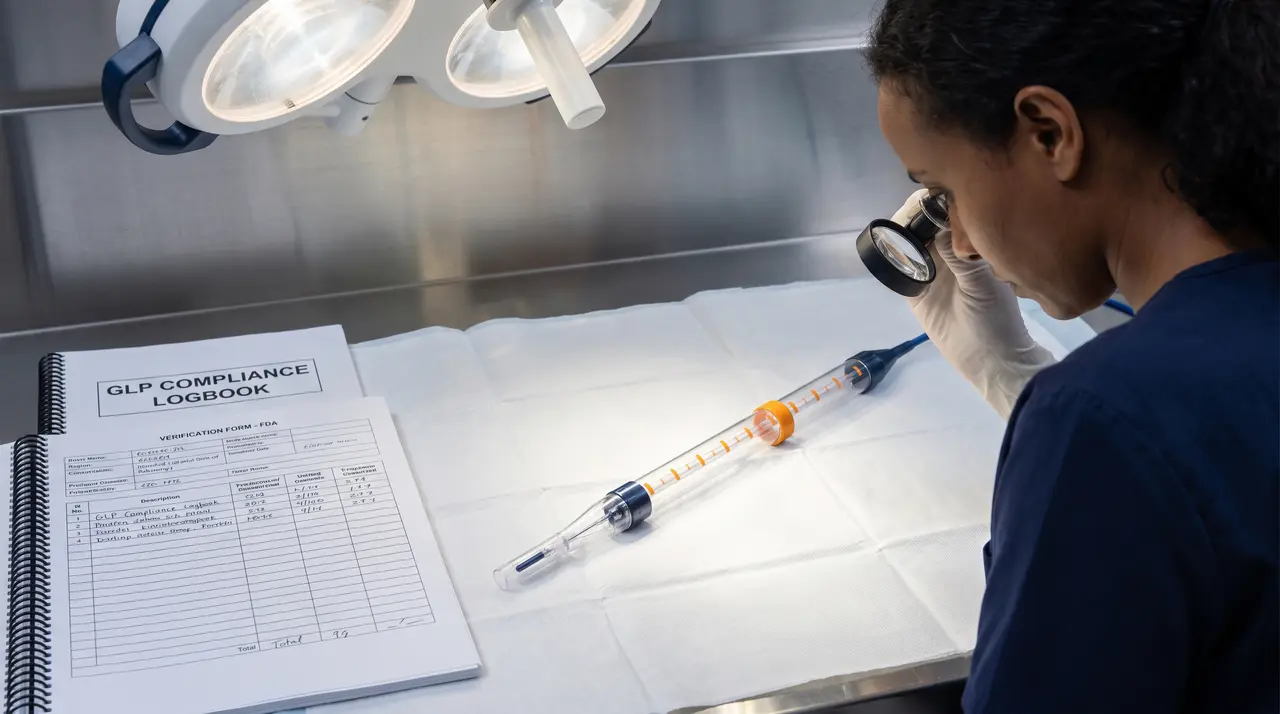
Combining close veterinary supervision with orderly working procedures prevents deviations that could compromise the scientific validity of the results.
Red Flags in Quality Management of a Study Provider
A gap between polished documents and the reality of execution on the ground is the most prominent warning sign in research facilities. Deviations that remain unclosed for months, or investigations that end with a superficial conclusion of “human error,” indicate the absence of genuine root-cause analysis. When a provider claims it has no time available for a sponsor audit or delays handing over sample forms, you should suspect a lack of preparedness. Official warnings from the U.S. Food and Drug Administration — such as a warning letter to a testing laboratory due to inadequate quality assurance unit oversight — illustrate how poor management leads to the rejection of entire studies. That kind of mistake costs precious time.
Warning: Watch for These Signals
- Unclosed deviations dragging on for months with no root-cause investigation
- Reluctance to share SOP indexes or sample QA statements before contract signing
- “No availability” for a sponsor audit of the facility
Warning Signs in Computerized Systems and Access Control
Growing reliance on digital data collection systems demands special vigilance regarding how information is managed. A computerized audit trail that does not automatically record value changes, dates, and usernames undermines the reliability of the data in the eyes of the regulator. If all laboratory staff use a shared username and password to operate an imaging device, actions cannot be attributed to a specific team member. That is when it becomes clear that the absence of digital traceability endangers the study just as much as biological contamination in the operating room.
How to Verify GLP Compliance in Practice at a Study Facility
A real check of compliance with quality standards requires physical presence at the facility and direct examination of routine working records — not settling for general declarations. You should ask to review the quality unit’s master schedule, check dates of recently conducted audits, and examine documentation of deviations that occurred in similar studies. It is worth examining a redacted sample of a quality statement and verifying that it details exact dates and inspection stages. To prevent methodological failures, ensure the quality of preclinical study design already at the planning stages.
An early choice of a research provider that adheres to rigorous documentation principles saves significant financial resources and prevents unnecessary repetitions of complex studies.
How QA Reduces the Risk of IND Package Rejection by Regulators
Regulatory reviewers do not repeat the experiment themselves — they judge product safety solely by the completeness of the documentation submitted for their review. When a question arises about an adverse event observed in a sheep on day 45 of the study, the documentation must prove exactly who injected the substance with which syringe and when the measurement was recorded. International principles anchored in the OECD GLP Principles define a global standard for scientifically flawless documentation. Rigorous quality auditing prevents the clarifying questions that delay approvals for entry into human trials.
Proactive Risk Management vs. Routine Auditing
A modern auditing approach does not spread itself evenly across every marginal action — it concentrates oversight resources on areas of high scientific sensitivity. Risk-based control methodology identifies in advance the vulnerable points in the experimental process, such as complex surgical procedures or new software systems not yet tested at scale. At highly sensitive stages, QA personnel presence in the operating rooms is increased, while routine operations are audited on a sampling basis. This focused approach optimizes resource use and prevents substantive failures in the places where an error cannot be corrected after the fact.
What a Data Integrity Audit Includes Under International Principles
Data integrity is measured by stringent principles ensuring that every data point is attributable to the person who recorded it, documented contemporaneously in its original form, and both legible and accurate. International guidance from the PIC/S organization on data integrity management requires absolute protection of records against unauthorized changes throughout the entire information lifecycle. This audit examines manual logs in animal rooms and backup files on local servers, file-locking mechanisms, and the match between device hour logs and employee signatures. It is not enough for a regulatory submission to present a final result without full traceability to its raw sources.
How to Choose a CRO for Medical Device and Drug Development
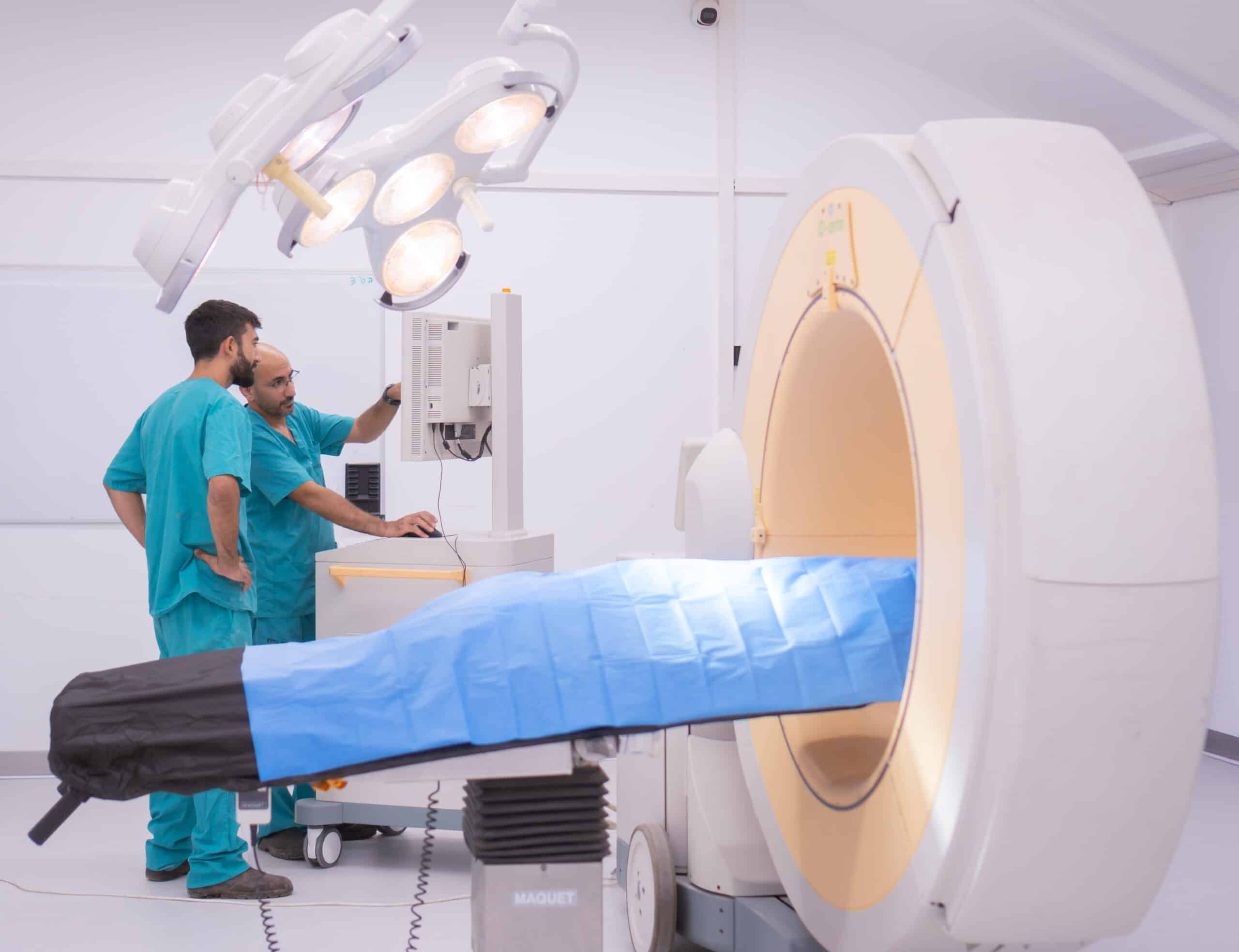
Advanced medical device and biological drug development requires unique specialization in large animal models such as pigs, sheep, or rabbits. These studies demand advanced surgical suites equipped with C-Arm fluoroscopy systems, cardiovascular ultrasonography devices, and 4K laparoscopy towers. A dedicated research facility providing close scientific and veterinary accompaniment by experienced surgeons ensures precise execution of complex procedures while maintaining uncompromising animal welfare. Before the study begins, make sure the CRO knows the principles of GLP and implements them in practice at the facility — not just on paper.
Matching Operational Solutions to Quality Needs in Advanced Research
A research facility dedicated to large animals must address the complex operational challenges that arise during the development of innovative medical products.
| Research & Regulatory Challenge | Operational & Technological Response | Practical Value for the Sponsor |
|---|---|---|
| Complex cardiovascular procedures | Surgical suites with C-Arm fluoroscopy and echo imaging | Maximum surgical precision and prevention of technical implant failures |
| Need for continuous professional accompaniment | Close scientific support from veteran veterinarians and surgeons | Precise biological model planning and prevention of protocol deviations |
| Strict model health and welfare maintenance | Spacious hospitalization facility and adherence to the 3Rs principles | Compliance with stringent ethical requirements and prevention of early mortality |
| Ensuring data traceability for FDA review | Independent quality unit and rigorous documentation procedures | A preclinical package immune to questions and fast regulatory approval |
A systematic process generates full regulatory confidence across all months of development.
How to Build an Effective CAPA Plan Following an Audit
Audit findings require a structured response that is not limited to a one-time fix of the faulty form but solves the underlying problem. A corrective and preventive action plan begins with identifying the root cause of the failure through a thorough investigation of the circumstances of the event. Next, a corrective action is defined to address the immediate finding, and a preventive action is defined to ensure the malfunction does not recur in future studies. Every such plan must include a defined timeline and an effectiveness check conducted a few months later to verify that the change has been fully assimilated. Open collaboration with the sponsor regarding audit findings demonstrates professional maturity and strengthens trust in the study results.
Managing Study Load Through the QA Unit’s Master Schedule
The quality unit’s central tracking log is an essential management tool for preventing overload that could compromise oversight quality. This document consolidates all studies conducted at the facility, the audit stages planned for each project, and the dates when QA personnel presence is required. When FDA inspectors arrive at a facility, the first document they ask to examine is this log, in order to assess whether the quality unit has enough resources to monitor all activities. If it turns out that a single auditor is required to supervise ten complex surgeries in parallel on the same day, the validity of the entire control system is called into question.
Compliance With 21 CFR Part 11 in Preclinical Studies
FDA regulations on electronic records and signatures are designed to ensure that a digital file is as reliable and secure as a paper document signed in pen. Computerized systems at a research facility must undergo formal validation proving they operate according to defined requirements and do not allow data manipulation. Requirements include secure and non-editable audit trails, automatic access locking upon inactivity, and security mechanisms that prevent overwriting of previous files. Failure to comply with these rules can lead to blanket rejection of imaging data, laboratory measurements, and physiological telemetry records.
What Must Appear Inside the Final QA Statement Document
The quality assurance statement is an official document that seals the final study report and is a threshold condition for its acceptance by regulatory authorities. Guidance from the UK GLP compliance monitoring authority details the required structure for a quality assurance statement, including a listing of all inspections performed and their exact dates. The statement includes explicit confirmation that the final report faithfully reflects the raw data collected, alongside the dates on which audit reports were delivered to management and the study director. The absence of a signed and detailed statement disqualifies the report from submission as a registration-supporting study.
Frequently Asked Questions About Quality Assurance in Preclinical Research
Below are answers to practical questions that concern development managers and founders when planning safety and efficacy studies.
Setting Professional Expectations for Your Next Study
Is your study provider’s quality assurance framework built to withstand rigorous regulatory scrutiny without unnecessary delays? Contacting the expert team at BIOTECH FARM will allow you to plan a customized large animal study that combines advanced surgical infrastructure, comprehensive veterinary scientific accompaniment, and full compliance with the most stringent regulatory requirements.