In October 2023, an analytical laboratory in Rehovot tested an intranasal peptide formulation using an anesthetized Sprague-Dawley rat. The technician administered 50 microliters of solution into the right nostril with a standard laboratory pipette. Within four minutes, thirty-five microliters had entered the esophagus and reached the stomach. Gastrointestinal clearance occurred before any active compound crossed the mucosal barrier.
The research team assumed the drug reached the central nervous system, but blood samples showed rapid liver metabolism. The compound failed to accumulate in target brain structures because the study ignored nasal fluid mechanics.
Drug developers working on intranasal therapies encounter anatomical limits that destroy conventional pharmacokinetic projections. Preclinical testing must verify targeted mucosal deposition, quantify mucociliary transit times and confirm central nervous system penetration before human clinical trials begin. Without reliable nonclinical data, sponsors cannot select appropriate human doses or establish safety margins.
An unverified dosing assumption at this initial stage wastes millions of dollars when clinical cohorts fail to absorb the therapeutic molecule. A rigorous nonclinical strategy prevents these late-stage failures by characterizing formulation behavior under authentic physiological conditions.
Anatomy dictates your clinical outcome — not your formulation chemistry alone.
— Biotech Farm Preclinical Research Team
What is intranasal drug delivery preclinical testing?
Intranasal drug delivery preclinical testing evaluates how liquid sprays, dry powders and gels behave inside the respiratory tract before human clinical exposure. The testing program combines physical plume characterization, mucosal tissue permeation, animal pharmacokinetics and safety pharmacology.
Regulators require sponsors to verify that every actuation delivers an accurate dose of active pharmaceutical ingredient. Researchers evaluate spray angles, droplet velocities and mucosal retention in nonclinical species before moving to human studies.
These studies identify local adverse reactions such as epithelial detachment, loss of cilia or acute inflammation. Systematic testing confirms whether an active molecule acts locally within the nasal cavity, enters systemic circulation or targets the brain directly through cranial nerve routes.
Why preclinical intranasal testing fails during early screening
Early screening protocols often collapse because investigators treat the nasal cavity as a simple absorption membrane. Standard pipettes deliver large fluid boluses that trigger swallowing reflexes instead of depositing droplets evenly across target tissues.
Formulations frequently wash away before mucosal transport can occur. Human nasal cilia beat between 10 and 15 times per second, clearing foreign particles toward the nasopharynx within 15 to 20 minutes. Formulations lacking appropriate mucoadhesive polymers get swallowed and metabolized by digestive enzymes.
Sponsors also overlook local enzymatic activity inside the nasal submucosa. Carboxylesterases, cytochrome P450 enzymes and aminopeptidases line the nasal epithelium, breaking down sensitive peptides before they reach systemic vessels or neural pathways.
Selecting an animal model for nasal drug delivery
Selecting an animal model requires aligning species anatomy with your delivery device and therapeutic destination. Rodents, rabbits, dogs, swine and sheep present distinct nasal surface areas, turbinate complexity and breathing patterns that influence fluid dynamics.
Small animals provide cost-efficient screening for preliminary metabolic stability and systemic absorption. Their narrow nasal passages cannot accommodate clinical spray pumps designed for human nostrils.
Large animal species provide anatomical dimensions that match human nasal cavities. When testing a final combination product consisting of a drug and a metered-dose spray device, larger species provide translatable deposition data.
Why rodent nasal anatomy misleads translational researchers
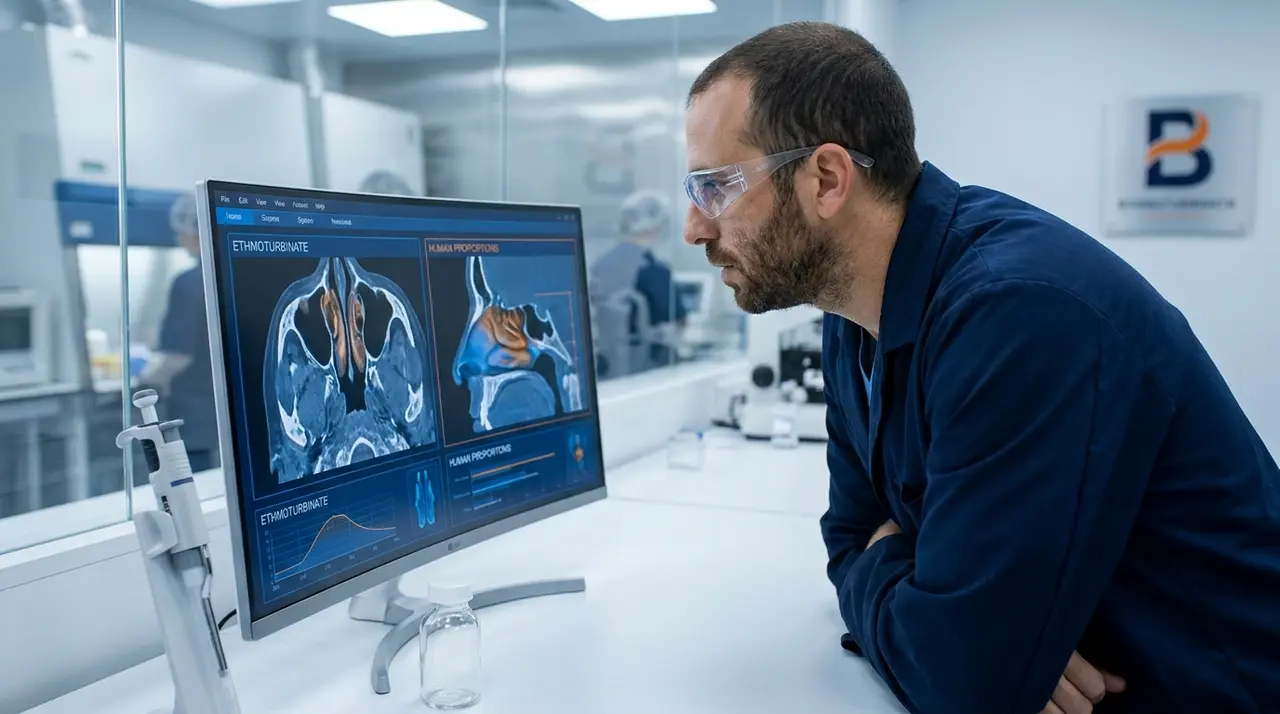
Mice and rats possess highly branched ethmoturbinates that fill over 50 percent of their nasal cavity volume. In contrast, the human olfactory cleft represents less than 10 percent of the total nasal surface area.
Rodents are obligate nasal breathers with high respiratory rates exceeding 100 breaths per minute. This continuous high-velocity airflow pulls fine aerosol droplets directly into the pulmonary tract, creating false signals of high systemic bioavailability.
Administering more than 10 to 15 microliters per nostril in a rat causes immediate esophageal runoff. Studies claiming exceptional brain uptake after dosing 50 microliters in rodents often measure compound absorbed through the gut rather than direct olfactory transport.
Large animal models in preclinical nasal evaluation
Swine and sheep offer nasal geometries that closely approximate adolescent and adult human architecture. A 25-kilogram Landrace pig possesses turbinate structures capable of receiving standard clinical actuators delivering 50 to 100 microliters per spray.
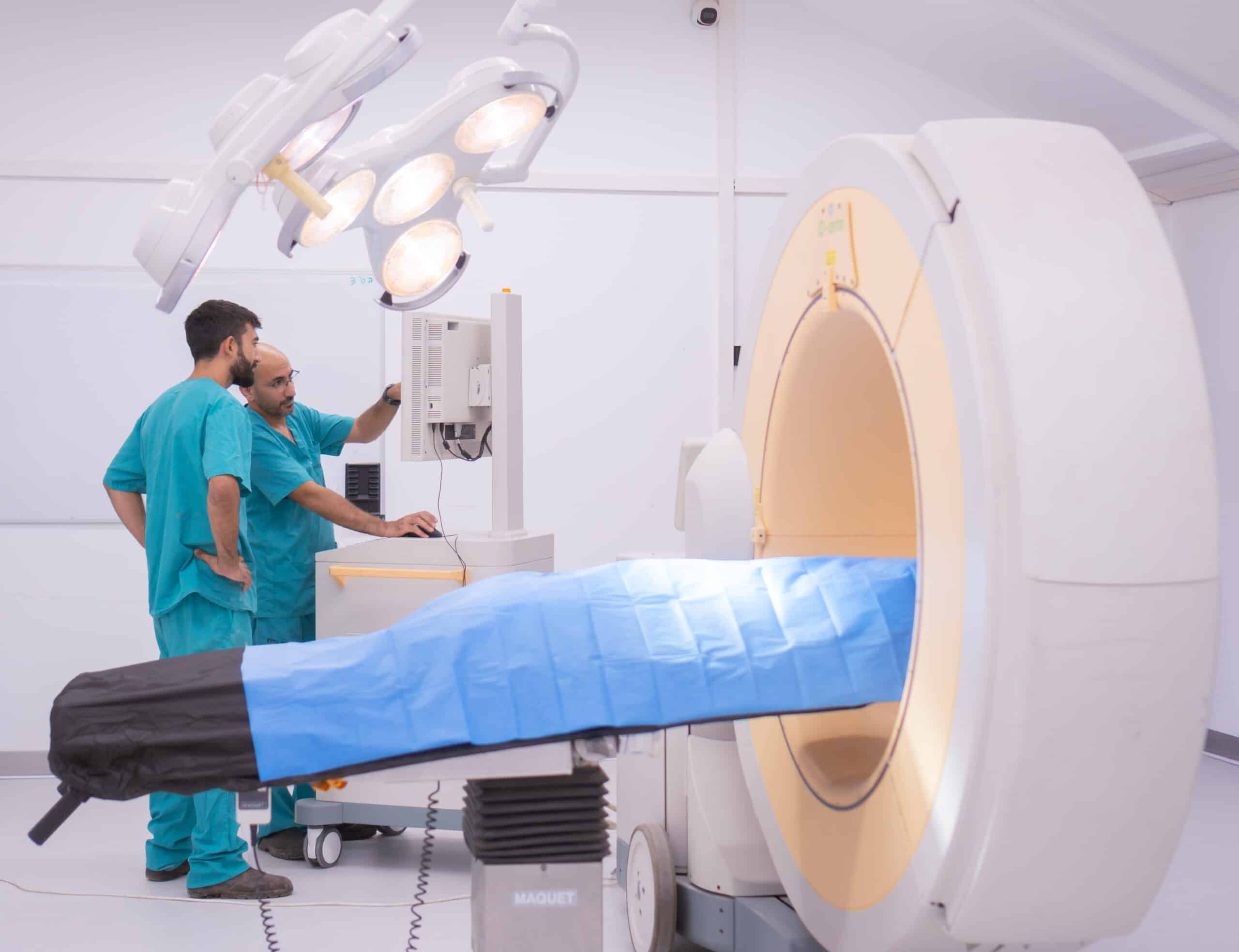
Biotech Farm maintains specialized surgical suites equipped with mobile C-Arm fluoroscopy units and high-definition endoscopic towers. These imaging platforms enable researchers to observe spray deposition and mucosal clearance across large animal nasal passages in real time.
Swine models also present respiratory mucosal histology and ciliary beat frequencies that mirror human tissues. Evaluating drug retention in porcine models generates predictive pharmacokinetic curves that satisfy regulatory requirements.
Evaluating nose to brain delivery pathways
Bypassing the blood-brain barrier through the olfactory and trigeminal nerve pathways allows neurotherapeutics to treat central nervous system disorders without extensive systemic exposure. Molecules travel across the cribriform plate via perineural and perivascular spaces directly into the cerebrospinal fluid and brain parenchyma.
Clinical precedents show that non-invasive nasal administration can treat challenging neurological conditions. A comprehensive review of FDA-approved nose-to-brain formulations demonstrates commercial success across acute migraine treatments, seizure clusters and psychiatric emergencies.
Delivery via cranial nerves avoids first-pass hepatic clearance and minimizes cardiotoxicity risks associated with high systemic drug concentrations. Preclinical models must isolate this neural transit from circulating plasma absorption to demonstrate genuine direct transport.
How to test nose to brain drug delivery
Proving direct cranial transport requires quantifying drug concentrations in distinct anatomical compartments across rigorous time points. Researchers measure drug levels in plasma, cerebrospinal fluid, olfactory bulbs, frontal cortex and trigeminal ganglia following intranasal administration.
Blood levels cannot prove brain uptake.
— Core principle of nose-to-brain study design
Scientists compare intranasal pharmacokinetic curves against intravenous control groups dosed at identical systemic exposure levels. Following structured steps to success in nose-to-brain drug delivery enables sponsors to calculate two critical metrics, known as the drug targeting efficiency and the direct transport percentage.
Studies must eliminate blood contamination from cerebral tissue samples. Perfusing the animal with ice-cold heparinized saline before tissue harvesting removes lingering intravascular drug that would otherwise corrupt parenchymal concentration measurements.
In vitro and computational screening methods
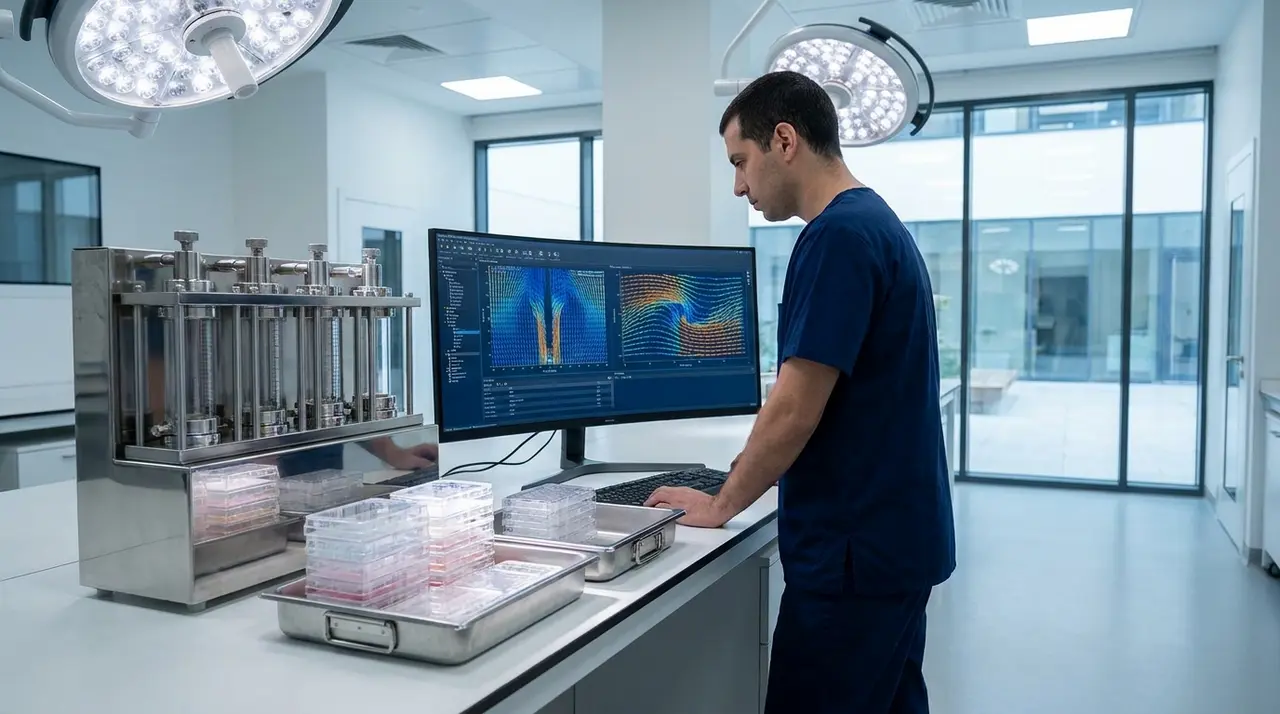
Before launching animal studies, computational fluid dynamics programs model how spray plumes disperse inside three-dimensional reconstructions of the nasal cavity. These models simulate air velocities between 10 and 20 liters per minute to predict droplet impaction on the olfactory mucosa.
Cell culture systems provide rapid data regarding epithelial permeability and acute cytotoxicity. Human nasal epithelial cell lines, such as RPMI 2650 cells grown on Transwell inserts, form tight junctions that mimic nasal barriers.
Ex vivo mucosal tissue explants harvested from porcine or bovine nasal cavities allow precise measurement of permeation coefficients across Franz diffusion cells. These bench assays screen excipients and absorption enhancers before committing resources to live animal protocols.
Intranasal formulation testing methods
Formulation chemistry governs how a nasal spray disperses, deposits and penetrates mucosal layers. Physical assessments measure pH, osmolarity, viscosity, surface tension and drug content uniformity under strictly controlled storage conditions.
Formulations with a pH below 4.5 cause severe epithelial stinging, while solutions exceeding pH 7.5 impair ciliary mobility. Scientific guidelines detailed in Tailoring Formulations for Intranasal Nose-to-Brain Delivery emphasize optimizing tonicity and viscosity to prolong retention at the cribriform plate.
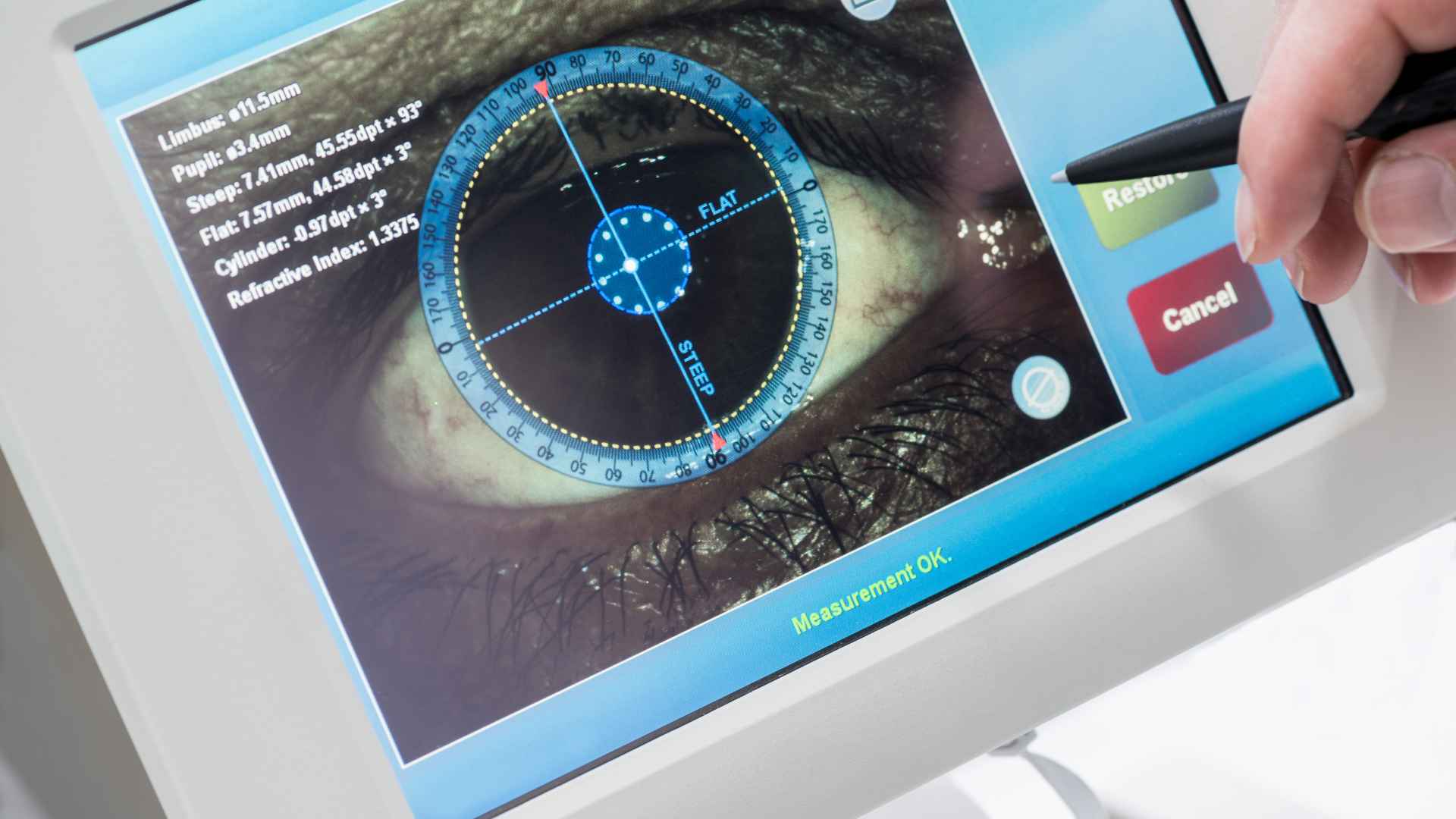
Droplet size distribution represents a central quality attribute. Laser diffraction instruments quantify the volume diameters Dv10, Dv50 and Dv90. Droplets smaller than 10 microns carry risks of pulmonary inhalation, while droplets above 120 microns cause anterior dripping.
How device formulation interaction alters nasal deposition
A nasal pharmaceutical product functions as an integrated device-formulation combination. Changing the spring tension of an actuator or altering nozzle orifice diameter changes spray pattern geometry and plume angle even when using identical liquid formulations.
Engineering teams analyze plume angles between 30 and 60 degrees to verify that liquid droplets reach the middle and upper turbinates. Novel delivery technologies such as Aptar Pharma and Nose-to-Brain Drug Delivery Innovation demonstrate how specialized actuators overcome anterior nasal clearance to target upper olfactory regions.
Testing must confirm mechanical repeatability across diverse user pressures. Automated actuation stations fire devices into silicone nasal replicas under standardized force profiles ranging from 4 to 7 kilograms.
Spray vs drops for nasal drug delivery
Spray Pumps
Mechanical spray pumps disperse liquid into fine atomized plumes that deposit across anterior and middle turbinates during spontaneous inhalation. Ideal for repeat-dose convenience and consistent metered delivery.
Nasal Drops
Nasal drops coat wider mucosal surface areas when administered in the head-down position. Drops lack defined forward velocity and clear rapidly toward the pharynx unless formulated with potent in situ gelling polymers.
Dry Powder Sprays
Dry powder nasal sprays offer greater physical stability for fragile biologics, proteins and vaccine antigens. Powder particles hydrate upon contact with mucosal moisture, establishing sustained concentration gradients that accelerate passive paracellular diffusion.
What local tolerability tests are required for nasal sprays?
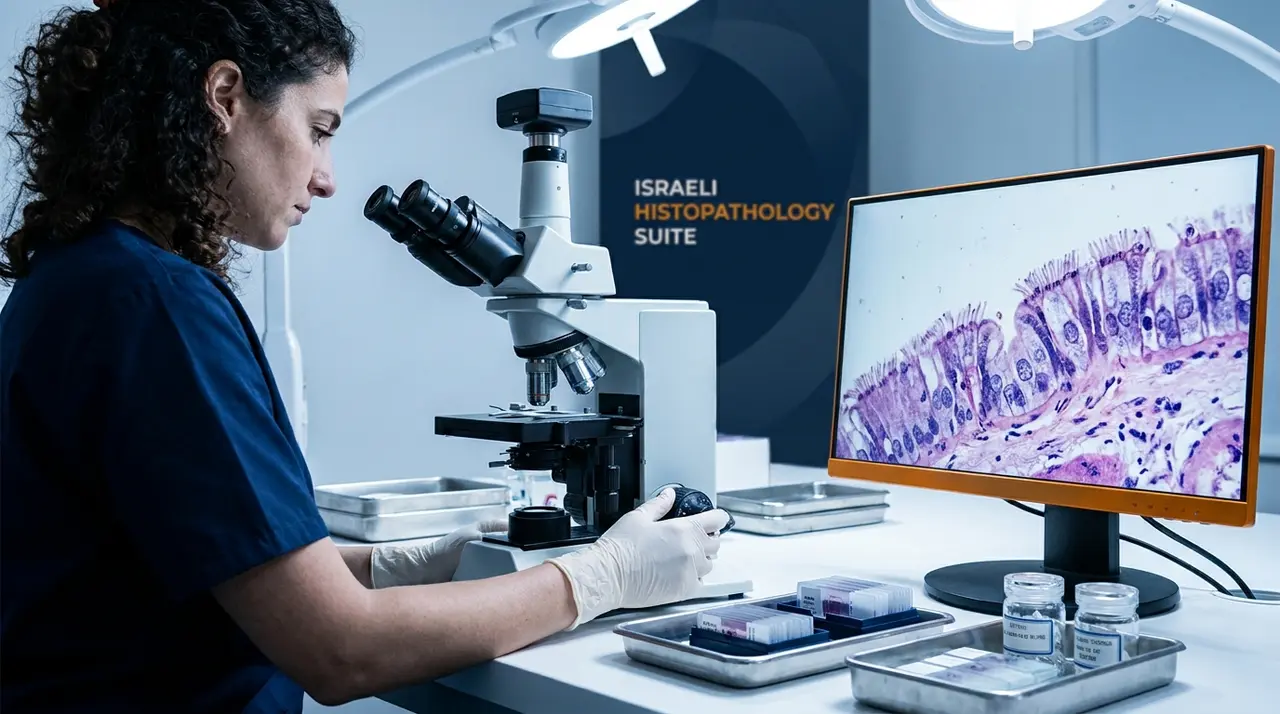
Regulatory agencies require nonclinical local tolerance packages that evaluate mucosal integrity across repeated administration schedules. Pathologists assess epithelial detachment, goblet cell hyperplasia, loss of ciliated cells and subepithelial inflammatory infiltration.
Tissue histology reveals true irritation. Examinations include gross endoscopic evaluations of the nasal septum and inferior turbinates. Investigators document clinical signs including excessive sneezing, head shaking, nasal discharge and epistaxis throughout the observation period.
Specialized ex vivo models measure ciliary beat frequency using high-speed digital video microscopy. Formulations that arrest ciliary motion for more than 30 minutes require redesign to avoid permanent mucociliary dysfunction in human patients.
Designing repeat dose intranasal toxicity studies
Repeat-dose nonclinical safety packages must reflect the intended clinical duration according to ICH M3(R2) safety guidance. An intranasal product indicated for chronic daily therapy requires subchronic 28-day toxicity studies in rodents followed by chronic evaluations in a non-rodent species.
Dosing protocols must split daily administration volumes across multiple intervals to prevent mechanical volume overload in test subjects. Pathologists section the decalcified skull at four standard coronal levels to examine both respiratory and olfactory epithelium.
Safety endpoints include hematology, serum biochemistry, organ weights and complete systemic histopathology. Nonclinical studies ensure that nasal administration does not produce hidden systemic toxicity or localized neuroinflammatory responses along cranial nerve tracts.
Preclinical parameters across nasal delivery animal models
Selecting the correct model requires comparing anatomical dimensions, mucosal distribution and dosing tolerances across available preclinical species. The following data outlines baseline physiological constraints that govern study designs.
| Species | Nasal Cavity Volume (cm³) | Olfactory Area (%) | Max Dosing Volume (µL/naris) | Primary Preclinical Application |
|---|---|---|---|---|
| Mouse | 0.03 | 45 to 50 | 5 to 10 | Initial mechanistic screening and genetic disease targets |
| Rat | 0.4 | 50 to 55 | 10 to 15 | Preliminary pharmacokinetic screening and early toxicology |
| Rabbit | 6.0 | 10 to 15 | 50 to 100 | Local mucosal irritation and intermediate pharmacokinetic profiling |
| Swine | 20 to 25 | 10 to 12 | 100 to 200 | Human-device testing, targeted surgical deposition and GLP safety |
| Sheep | 22 to 28 | 12 to 15 | 100 to 200 | Mucociliary clearance kinetics and mucosal absorption studies |
| Human | 25 to 30 | 8 to 10 | 100 to 150 | Clinical target reference values |
The table demonstrates why small rodent data rarely translates directly to human clinical settings. Swine and sheep match human nasal geometry and olfactory surface percentages, making them ideal models for translational verification.
Good laboratory practice standards in Israeli facilities
Safety studies intended for international regulatory submissions to the United States Food and Drug Administration or the European Medicines Agency must adhere to OECD Principles of Good Laboratory Practice. Israel is a full adherent to the OECD Mutual Acceptance of Data system.
The Israel National Accreditation Body for Laboratories, known as ISRAC, inspects and accredits local preclinical facilities under rigorous OECD-GLP directives. Data generated within accredited Israeli test sites transfers smoothly into foreign investigational new drug applications.
Biotech Farm conducts nonclinical safety programs under ISRAC accreditation and OECD-GLP standards. Study directors provide complete data transparency, authenticated audit trails and comprehensive quality assurance oversight throughout study execution.
Translating laboratory data to clinical trial authorization
Transitioning an intranasal program from animal models to first-in-human clinical trials requires synthesizing physical chemistry, stability, systemic toxicology and local tolerability data into an Investigational New Drug application. Regulatory bodies scrutinize formulation compatibility with container closure systems and assess human equivalent dose calculations.
Sponsors partnering with contract research facilities benefit from integrated development approaches. Selecting specialized partners who provide comprehensive End-to-end Nasal Drug Product Development Support streamlines physical plume analytics, bioanalytical assays and regulatory filing requirements.
The Ministry of Health in Israel maintains a clear regulatory pathway for phase one clinical trials. Presenting rigorous GLP safety data generated in validated large animal models accelerates review timelines and supports rapid trial commencement.
Biotech Farm infrastructure for complex preclinical programs
Biotech Farm operates an advanced preclinical research complex supporting pharmaceutical developers and medical device innovators worldwide. With over 30 years of operational experience, our senior veterinary scientists and surgical teams design tailored nonclinical protocols for complex delivery routes.
Our facility houses modern operating rooms featuring real-time fluoroscopic C-Arm imaging, high-definition echocardiography probes and 4K endoscopic towers. These surgical assets allow investigators to verify spray positioning and evaluate acute mucosal changes under precise physiological monitoring.
| Preclinical Challenge | Biotech Farm Operational Solution | Translational Outcome |
|---|---|---|
| Device-to-nostril size mismatch | Large animal models (swine, sheep) matching human geometry | Direct testing of commercial human spray actuators |
| Uncertain spray deposition depth | Real-time C-Arm fluoroscopy and high-resolution endoscopy | Visual confirmation of olfactory versus respiratory coverage |
| Rapid mucociliary wash-off | Serial mucosal harvesting and bioanalytical quantification | Accurate residence time and retention modeling |
| Regulatory compliance hurdles | OECD-GLP accreditation supervised and audited by ISRAC | Unconditional data acceptance by FDA, EMA and local authorities |
| Complex protocol execution | Direct scientific escort with senior veterinary surgeons | Flexible study adaptation with rapid milestone delivery |
Our large animal facility prioritizes ethical stewardship and animal welfare under the 3Rs framework. Dedicated veterinary caregivers provide continuous attention, ensuring clean environmental controls and reduced stress profiles that yield consistent bioanalytical data.
Frequently asked questions about intranasal preclinical studies
Planning your preclinical intranasal program
How will your current intranasal formulation perform when exposed to true mucosal clearance and complex anatomical barriers? Connect with the Biotech Farm preclinical research team to design a customized nonclinical study that validates delivery, confirms safety and accelerates your clinical regulatory timeline.