Ocular hypertension represents a condition where the pressure inside your eye exceeds the normal range of 10-21 mmHg, potentially leading to serious vision complications. According to recent epidemiological studies, this condition affects approximately 4-10% of Americans over age 40, with prevalence increasing significantly with age. The concerning aspect is that most individuals with ocular hypertension experience no noticeable symptoms, earning it the designation as a “silent” eye condition that requires vigilant monitoring and management.
How Does Ocular Hypertension Develop in Your Eyes?
The development of ocular hypertension occurs when the delicate balance between aqueous humor production and drainage becomes disrupted within the eye’s anterior chamber. This clear fluid, constantly produced by the ciliary body, normally flows through the pupil and drains through the trabecular meshwork.
When this drainage system becomes compromised or when fluid production increases, intraocular pressure rises above the normal threshold. Research from the Ocular Hypertension Treatment Study (OHTS) demonstrates that untreated ocular hypertension increases the risk of developing glaucoma by approximately 9.5% over five years.

What Are the Primary Risk Factors for Developing Ocular Hypertension?
Multiple factors contribute to the development of this condition, with age being the most significant predictor. Studies indicate that ocular hypertension prevalence rises from 1.7-2.7% in individuals aged 40-49 to 4.1-7.5% in those over 80. Genetic predisposition plays a crucial role, particularly for those with a family history of glaucoma or elevated eye pressure. Additionally, certain medications, especially corticosteroids, can trigger pressure elevation. African Americans and Hispanics face higher risks, as do individuals with diabetes, extreme myopia, or previous eye trauma.
Table 1: Risk Factor Assessment for Ocular Hypertension
| Risk Factor | Relative Risk Increase | Population Affected |
| Age >60 years | 6x higher | 7.5% prevalence |
| African American Heritage | 4-5x higher | 3-4% overall prevalence |
| Family History | 3-4x higher | 10% with affected parent |
| Diabetes | 2x higher | 5% of diabetics |
| Corticosteroid Use | 4x higher | Variable based on duration |
| Thin Central Cornea (<555 μm) | 3x higher | 25% of population |
| High Myopia | 2-3x higher | 2% of population |
Can Ocular Hypertension Be Detected Through Specific Symptoms?
Unlike many eye conditions, ocular hypertension typically presents without obvious symptoms, making regular screening essential for early detection. However, some individuals might experience subtle indicators including mild eye discomfort, occasional blurred vision, or halos around lights, particularly at night.
These symptoms, when present, warrant immediate evaluation. The absence of symptoms underscores why the American Academy of Ophthalmology recommends baseline screening at age 40, with frequency increasing based on individual risk factors.
What Diagnostic Tests Accurately Measure Ocular Hypertension?
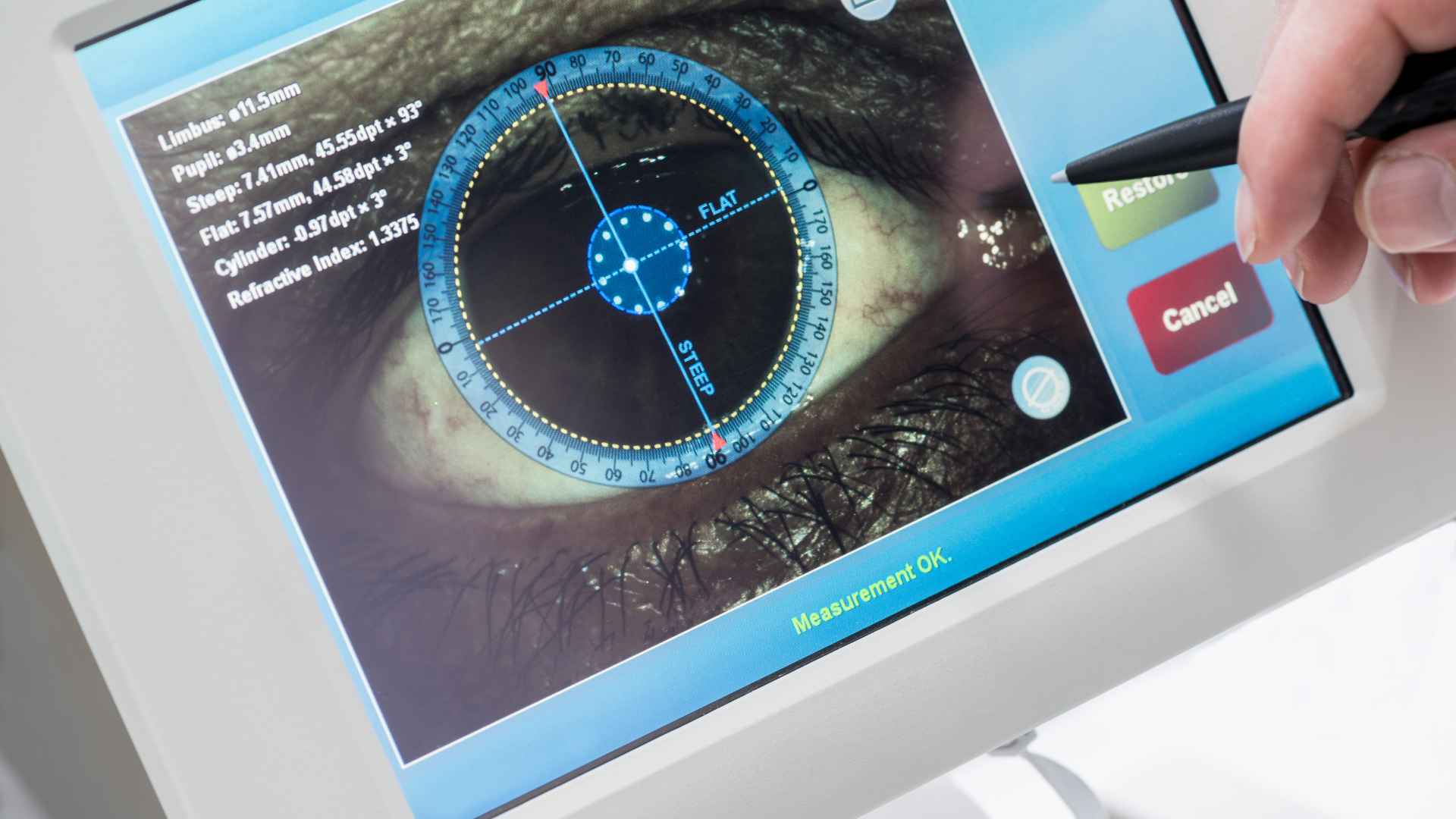
Modern diagnostic approaches for ocular hypertension employ multiple sophisticated testing methods to ensure accurate assessment and monitoring. Goldmann applanation tonometry remains the gold standard for measuring intraocular pressure, providing precise readings when performed correctly.
This test, combined with pachymetry to measure corneal thickness, offers the most reliable assessment since corneal thickness significantly influences pressure readings. Thicker corneas can cause falsely elevated readings, while thinner corneas may mask true ocular hypertension.
Additional diagnostic procedures include gonioscopy to examine the drainage angle, ophthalmoscopy for optic nerve evaluation, and perimetry for visual field assessment. These comprehensive tests help differentiate between simple ocular hypertension and early glaucoma development.

How Does Corneal Thickness Influence Ocular Hypertension Diagnosis?
Central corneal thickness (CCT) measurement through pachymetry has revolutionized our understanding of ocular hypertension diagnosis and management. Normal CCT ranges from 540-550 micrometers, with variations significantly impacting pressure readings. For every 40-micrometer deviation from average thickness, the measured IOP can be off by approximately 2-3 mmHg. This discovery from the OHTS revealed that many patients previously diagnosed with ocular hypertension actually had thick corneas causing falsely elevated readings.
What Treatment Options Exist for Managing Ocular Hypertension?
Contemporary treatment strategies for ocular hypertension focus on reducing intraocular pressure to prevent progression to glaucoma. First-line medical therapy typically involves prostaglandin analogs, which enhance uveoscleral outflow and can reduce IOP by 25-35%.
Beta-blockers, alpha-agonists, and carbonic anhydrase inhibitors serve as additional or alternative options based on individual patient factors and tolerance. Recent pharmaceutical developments in 2024 include NCX-470, showing promising results in phase III trials with superior IOP reduction compared to traditional prostaglandins.
When Should Treatment for Ocular Hypertension Begin?
The decision to initiate treatment for ocular hypertension requires careful risk stratification based on multiple factors. The OHTS-EGPS risk calculator helps clinicians assess five-year glaucoma risk, considering age, IOP levels, CCT, vertical cup-disc ratio, and pattern standard deviation.
Treatment is generally recommended when the five-year risk exceeds 15%, though individualized assessment remains crucial. Factors favoring early intervention include IOP consistently above 24 mmHg, thin central corneas below 555 micrometers, or evidence of progressive optic nerve changes.
Table 2: Treatment Decision Matrix for Ocular Hypertension
| IOP Level | CCT Status | Additional Risk Factors | Treatment Recommendation |
| 22-24 mmHg | Normal | None | Monitor every 6 months |
| 22-24 mmHg | Thin (<555 μm) | Present | Consider treatment |
| 25-29 mmHg | Any | None | Treatment recommended |
| >30 mmHg | Any | Any | Immediate treatment |
| Any | Any | Disc hemorrhage/changes | Immediate treatment |
How Does Biotechnology Advance Ocular Hypertension Research?
Cutting-edge biotechnology facilities like Biotech Farm Ltd are revolutionizing ocular hypertension research through advanced preclinical studies and drug development programs. Their state-of-the-art large animal models provide crucial insights into disease mechanisms and treatment efficacy. Recent innovations include sustained-release drug delivery systems, with companies like MediPrint Ophthalmics developing 3D-printed contact lenses for continuous bimatoprost delivery, achieving all Phase IIb endpoints in 2024.
What Role Do Lifestyle Modifications Play in Managing Ocular Hypertension?
While medical therapy remains primary, lifestyle modifications can complement ocular hypertension management effectively. Regular aerobic exercise has been shown to reduce IOP by 3-5 mmHg temporarily, with sustained benefits from consistent activity. Dietary considerations include limiting caffeine intake, which can transiently elevate pressure, and maintaining optimal hydration. Stress management techniques, including meditation and yoga, may help stabilize pressure fluctuations. Sleep position matters too – avoiding prolonged prone positioning prevents unnecessary pressure spikes during rest.
How Often Should Ocular Hypertension Monitoring Occur?
Monitoring frequency for ocular hypertension depends on individual risk profiles and treatment status. Untreated patients with moderate risk typically require evaluation every 3-6 months, including IOP measurement and optic nerve assessment. Those on treatment need initial monthly visits to assess efficacy and tolerance, transitioning to quarterly visits once stable. Annual comprehensive examinations should include visual field testing, optic nerve imaging, and CCT reassessment to detect any progression toward glaucoma.
What Future Developments Promise Better Ocular Hypertension Management?
The pharmaceutical pipeline for ocular hypertension shows remarkable promise with over 60 companies developing novel therapies as of 2025. Innovations include rho kinase inhibitors targeting trabecular meshwork function, gene therapy approaches for sustained IOP reduction, and implantable devices providing multi-year drug delivery. Artificial intelligence algorithms now predict disease progression with increasing accuracy, enabling personalized treatment strategies. The global ocular hypertension treatment market, valued at $5.53 billion in 2025, is projected to reach $6.49 billion by 2029, reflecting continued innovation and improved access to care.
Tomorrow’s treatments – today
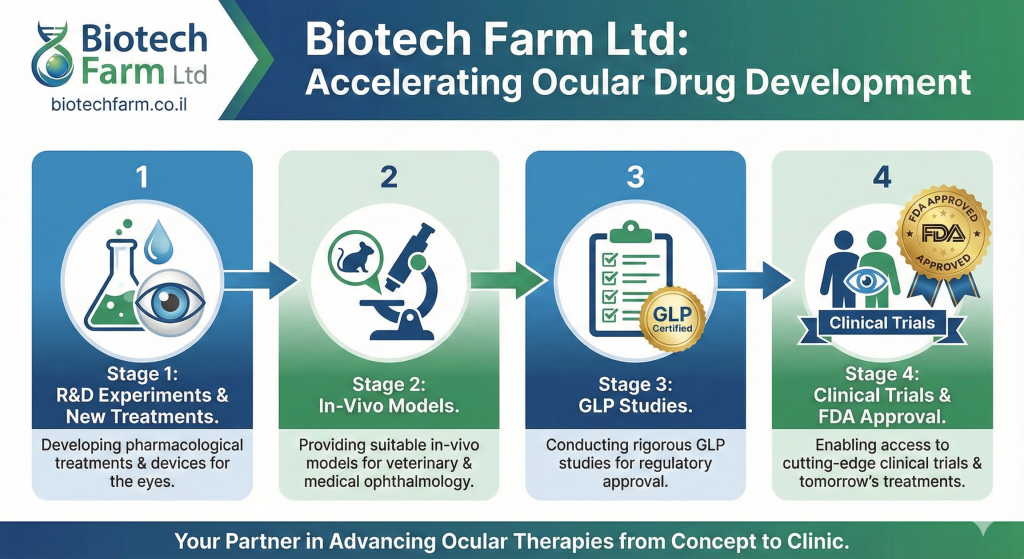
Don’t let ocular hypertension silently threaten your vision. Schedule a comprehensive eye examination today, especially if you’re over 40 or have risk factors like family history, diabetes, or African American heritage. Early detection and appropriate management can preserve your sight for years to come. Contact Biotech Farm Ltd for performing any R&D experiment and developing new medical devices on pharmacological treatments for the eyes. Biotech Farm facility is providing the most suitable in-vivo models for those developments for the benefit of both the veterinary as well as the medical ophthalmological set of tools. Based on GLP studies at Biotech Farm LTD, FDA approved treatments can be enrolling and enable participating in cutting-edge clinical trials that may offer access to tomorrow’s treatments today. Your proactive approach to eye health could make the difference between maintaining clear vision and facing preventable vision loss.
References
- Expert Market Research. Ocular Hypertension Epidemiology Forecast 2025-2034.
- Kass MA, et al. The Ocular Hypertension Treatment Study: A Randomized Trial. JAMA Ophthalmology. 2002;120(6):701-713.
- Indian Journal of Ophthalmology. Prevalence patterns of ocular hypertension across age groups.
- American Academy of Ophthalmology. Clinical Guidelines for Glaucoma Screening. 2024.
- Gordon MO, et al. The Ocular Hypertension Treatment Study: Baseline Factors. Arch Ophthalmol. 2002;120(6):714-720.
- Brandt JD. Central corneal thickness and glaucoma. Ophthalmology. 2024;131(3):315-323.
- Nicox SA. NCX-470 Phase III Mont Blanc Trial Results. Am J Ophthalmol. 2024.
- Wright DM, et al. Validating the OHTS-EGPS Model. Ophthalmol Glaucoma. 2025;8(2):143-151.
- MediPrint Ophthalmics. Phase IIb Clinical Trial Results for LL-BMT1. November 2024.
- DelveInsight. Advancements in Ocular Hypertension Clinical Trial Pipeline. January 2025.
- The Business Research Company. Ocular Hypertension Treatment Market Report 2025.