Cardiovascular disease represents the leading cause of global mortality. The number of cardiovascular deaths increased from 13.1 million in 1990 to 19.2 million by 2023, while prevalent cases more than doubled from 311 million to 626 million during the same period. Large animal models serve as critical translational tools bridging the gap between preclinical studies and human clinical applications in cardiovascular research.
What Is the Role of Large Animal Models in Cardiovascular Research?
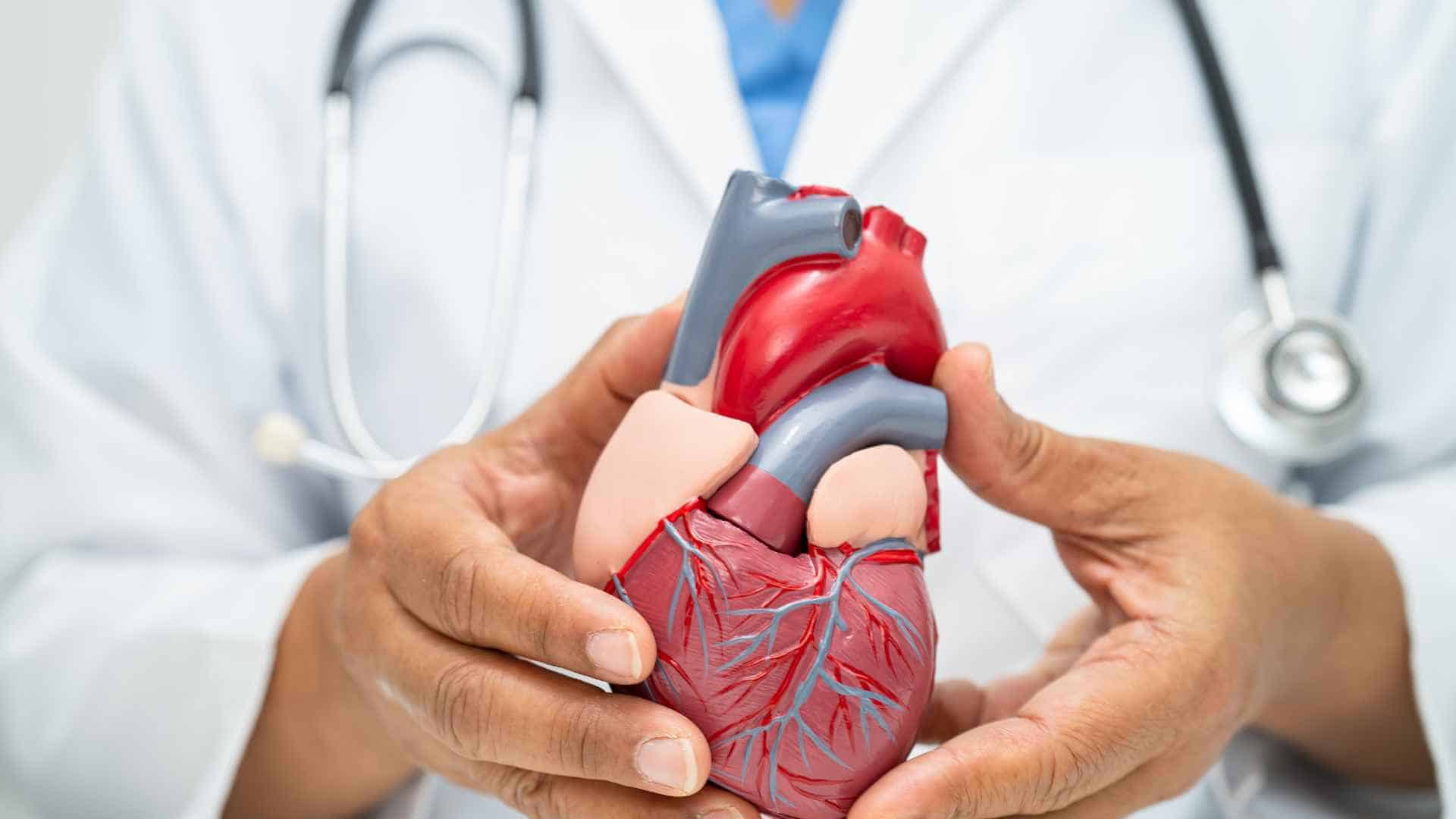
Large animal models like pigs and sheep serve as critical bridges between laboratory findings and human clinical applications in cardiovascular research. These species offer heart anatomy, coronary circulation patterns, and contractile properties that closely mirror human physiology advantages rodent models cannot provide.
Pigs demonstrate heart rates of 60-120 beats per minute and lipid metabolism profiles comparable to humans, making them ideal for testing medical devices, surgical techniques, and pharmacological treatments. The myosin heavy chain composition in pig and sheep hearts matches human cardiac muscle, creating similar contractile kinetics essential for accurate predictions.
This physiological similarity allows researchers to conduct comprehensive pre-regulatory studies that regulatory agencies demand before approving human trials. Facilities like Biotech Farm utilize these models to assess interventions under conditions that reliably forecast human outcomes, reducing risks and improving success rates in cardiovascular medicine development.
Current Methodological Advances in Cardiovascular Research
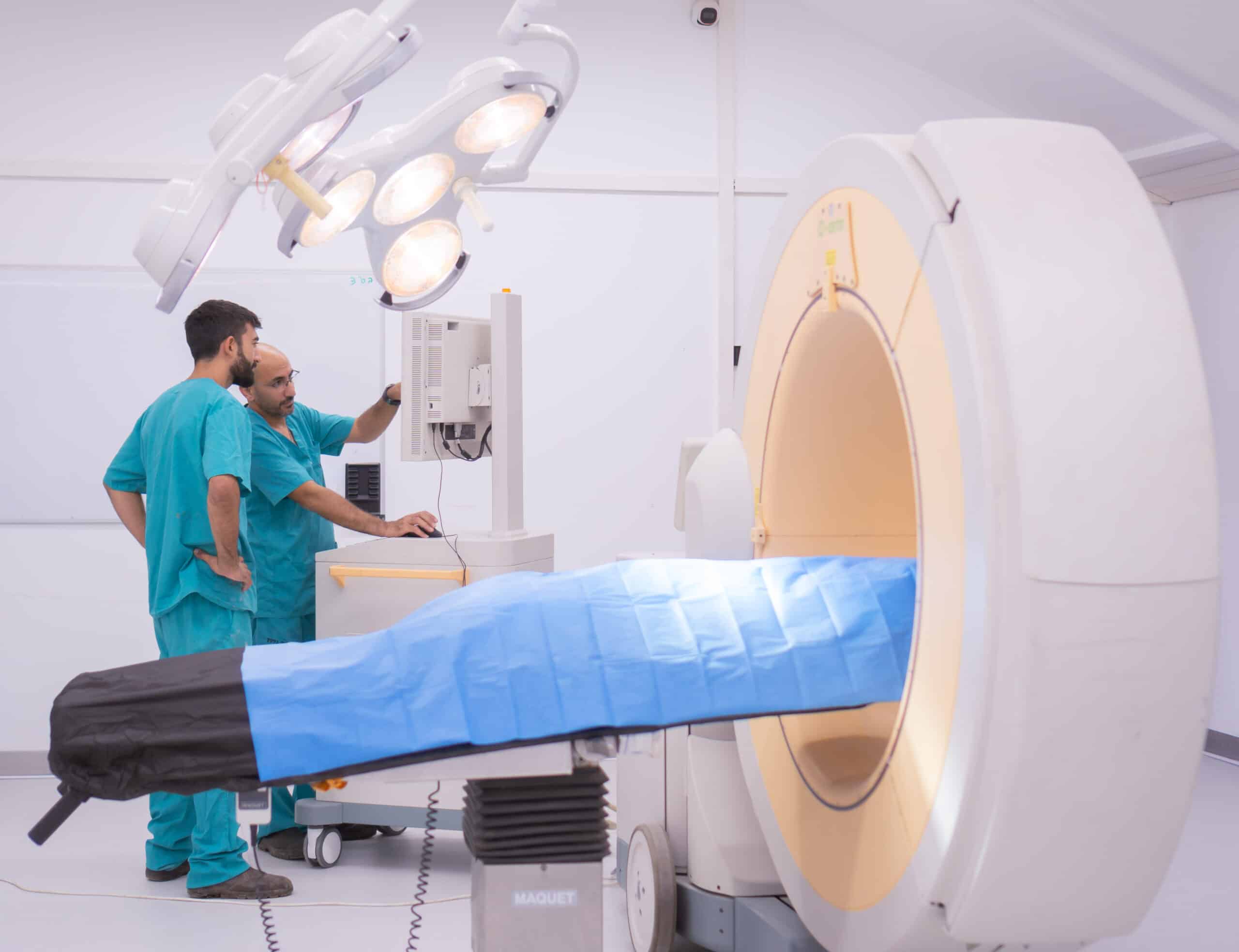
Contemporary cardiovascular research incorporates advanced imaging modalities, molecular profiling techniques, and sophisticated outcome measures. Recent trials presented at major conferences including the American College of Cardiology and European Society of Cardiology demonstrate the evolution toward precision medicine approaches. Studies now routinely employ cardiac MRI, CT angiography with plaque characterization, and echocardiographic strain imaging to assess therapeutic efficacy.
The integration of artificial intelligence in cardiovascular diagnostics represents a paradigm shift. Machine learning algorithms analyse vast datasets incorporating genetic markers, biomarkers, and clinical parameters to predict cardiovascular events with unprecedented accuracy. The GRACE 3.0 score exemplifies this approach, utilizing AI to improve risk stratification in acute coronary syndromes beyond traditional assessment methods.
For drug and device development, Biotechfarm provides scientifically supportive infrastructure for these advanced methodologies. The facility conducts GLP validation studies essential for regulatory submissions, employing standardized protocols that ensure data reproducibility and translatability to human populations.
How Do Large Animal Studies Address Atherosclerotic Disease Mechanisms?
Porcine models spontaneously develop atherosclerotic plaques with lipid accumulation, inflammatory cell infiltration, and fibrous cap formation that closely mirror human disease progression. Studies show pigs on high-cholesterol diets develop coronary lesions within 12-16 weeks, creating temporally accessible frameworks for intervention research.
Spatial transcriptomic mapping reveals cellular recruitment patterns and intercellular communication dynamics across disease stages. Recent cardiovascular research identifies immune checkpoint expression in atherosclerotic tissue and examines how diabetes and dyslipidemia influence plaque composition. This characterization directly informs targeted therapy development addressing specific pathological processes.
The models provide critical platforms for device testing. Coronary stents, drug-eluting balloons, and atherectomy devices undergo evaluation in porcine systems where arterial dimensions and hemodynamic forces approximate human coronary circulation. GLP-compliant protocols ensure generated data meets FDA and EMA regulatory standards for clinical translation.
What Are the Advantages of Porcine Models in Heart Failure Research?
Porcine models offer critical advantages for heart failure research due to their anatomical and physiological similarity to humans. Myocardial infarction models created through coronary ligation produce infarct patterns and ventricular remodelling that mirror human progression over weeks to months. Pressure overload models via aortic banding replicate the cellular changes seen in human hypertensive heart disease, including cardiomyocyte hypertrophy and interstitial fibrosis, with matching molecular signalling pathways.
The adequate cardiac mass and hemodynamic parameters of pig hearts enable realistic validation of therapeutic interventions. Cell-based therapies show retention, engraftment, and paracrine effects in porcine models that better predict human clinical outcomes compared to rodent studies. This translational relevance makes pigs invaluable for testing gene therapies and mechanical support devices before human trials.
Recent Clinical Trial Insights from Cardiovascular Research
Porcine models offer critical advantages for heart failure research due to their anatomical and physiological similarity to humans. Myocardial infarction models created through coronary ligation produce infarct patterns and ventricular remodelling that mirror human progression over weeks to months. Pressure overload models via aortic banding replicate the cellular changes seen in human hypertensive heart disease, including cardiomyocyte hypertrophy and interstitial fibrosis, with matching molecular signalling pathways.
The adequate cardiac mass and hemodynamic parameters of pig hearts enable realistic validation of therapeutic interventions. Cell-based therapies show retention, engraftment, and paracrine effects in porcine models that better predict human clinical outcomes compared to rodent studies. This translational relevance makes pigs invaluable for testing gene therapies and mechanical support devices before human trials.
How Does Cardiovascular Research Address Global Disease Burden?
Cardiovascular disease prevalence is projected to reach 15% of the U.S. population by 2050, affecting 45 million adults, while stroke cases are expected to double to 20 million. High systolic blood pressure alone contributes to 18.9 million annual deaths globally, with metabolic factors like obesity and diabetes adding substantial mortality. Air pollution accounts for 70% of pollution-related cardiovascular deaths through ischemic heart disease and stroke.
Translational research tackles these challenges by developing preventive interventions, early detection methods, and novel therapeutics. Large animal models enable researchers to evaluate comprehensive prevention strategies including dietary modifications, exercise protocols, and pharmacological interventions for risk factor management. International research teams collaborate on scientifically rigorous preclinical validation to develop solutions targeting these pressing global health challenges.
Why Are GLP Studies Essential for Cardiovascular Device Development?
Good Laboratory Practice standards ensure data integrity, reproducibility, and regulatory compliance in preclinical studies. Regulatory agencies including FDA and EMA require GLP-compliant studies for medical device approvals, pharmaceutical development, and combination products. These studies follow standardized protocols with comprehensive documentation, independent quality assurance oversight, and validated analytical methods.
For cardiovascular devices including stents, valves, catheters, and implantable electronics, GLP studies in large animals provide critical safety and performance data. Studies evaluate biocompatibility, mechanical function, thrombogenicity, and long-term durability under physiological conditions. The anatomical similarity between pig hearts and human hearts allows assessment using clinically relevant delivery systems and imaging modalities.
Device modifications based on preclinical findings substantially improve clinical outcomes. Iterative testing cycles identify design improvements and material optimizations before human use.
What Innovations Are Shaping Future Cardiovascular Research?
Gene editing technologies including CRISPR-Cas9 are transforming cardiovascular disease modelling. Researchers create precise genetic modifications in large animals to replicate heritable conditions including familial hypercholesterolemia, hypertrophic cardiomyopathy, and arrhythmogenic disorders. These models enable investigation of disease mechanisms and therapeutic target validation in systems closely mimicking human pathophysiology.
Organ-on-chip technologies and ex vivo perfusion systems complement in vivo studies by providing controlled platforms for mechanistic investigations. Isolated heart preparations from large animals allow detailed electrophysiological mapping, metabolic assessments, and pharmacological studies under precisely controlled conditions, reducing animal use while generating high-quality data.
Advanced imaging techniques continue expanding research capabilities. Molecular imaging with targeted contrast agents visualizes specific cellular processes including inflammation, angiogenesis, and apoptosis. Hybrid imaging modalities combining anatomical and functional information provide comprehensive disease characterization before clinical translation.