Drawing on more than two decades of hands-on large animal model setup and preclinical study direction, our team at Biotech Farm has guided dozens of manufacturers through ISO 10993 biological evaluation — and we can state this without hesitation: the single greatest predictor of regulatory delay is not the device itself, but the way its biological safety strategy was planned.
A medical device engineering team in Yokneam spent fourteen months preparing a cardiovascular delivery catheter for technical dossier review. They scheduled twenty separate laboratory assays based on generic chart recommendations before assessing chemical extractables. When their technical submission reached European reviewers, the file stalled over uncharacterized plasticizer residues and missing degradation kinetics. The manufacturer lost eight months of commercial exclusivity while executing repeated extractions under emergency laboratory bookings.
Device makers fall into this trap because they treat biological evaluation as a mechanical checklist of off-the-shelf tests. Health authorities no longer accept indiscriminate animal testing or disconnected in vitro reports. The current international framework mandates a risk-based evaluation process centered on physical composition, chemical characterization, and clinically relevant toxicological endpoints.
This biological safety roadmap determines whether a clinical innovation reaches surgical theaters or languishes in regulatory audit cycles. Navigating medical device safety requires knowing what evidence already exists, what data gaps remain, and when physiological models are mandatory. The following breakdown clarifies how to construct compliant evaluation strategies under global standards without incurring unnecessary animal exposure or wasted financial capital.
The Core Principle Most Manufacturers Miss
Biocompatibility is never an off-the-shelf certificate. It is a structured scientific conclusion built from chemical characterization, toxicological reasoning, and — only when justified — targeted biological assays. Manufacturers who internalize this distinction consistently reach market faster and spend less on redundant testing than competitors chasing checklists.
What is ISO 10993-1 in the context of biological evaluation for medical devices?
The standard ISO 10993-1 serves as the foundational document governing the biological assessment of medical technologies within a comprehensive risk management process. It defines how manufacturers must identify biological risks arising from human tissue contact. Rather than prescribing a rigid testing protocol, the standard establishes a structured decision pathway linked to ISO 14971.
Device developers frequently misinterpret the standard as an inventory of compulsory animal experiments. The standard actually demands that teams gather existing toxicological literature, chemical formulation data, and manufacturing history before commissioning biological assays. Revisions leading to the current ISO 10993-1:2025 iteration reinforce this framework, prioritizing chemical characterization over live animal testing.
Is biological evaluation the same as biocompatibility?
Biocompatibility describes the ability of a device to perform its intended function without eliciting unacceptable local or systemic effects in the patient. Biological evaluation represents the structured scientific process used to demonstrate that biocompatibility exists. The evaluation encompasses raw material supplier data, manufacturing residue analyses, and toxicological risk summaries.
An engineer might purchase surgical stainless steel that meets international metallurgical specifications, but that certification does not establish device biocompatibility. Machining oils, passivation acid residues, and laser-welding heat alter the surface chemistry of the final implant. Biological evaluation examines the finished, sterilized device in its clinical configuration to verify patient safety.
Does every medical device need ISO 10993 testing?
Not every medical device requires physical laboratory or animal testing under the ISO 10993 series. Hardware products that have no direct or indirect body contact do not require biological safety data. Diagnostic imaging monitors and motorized power consoles fall outside the testing scope if neither patient nor operator contacts functional materials.
When physical contact occurs, biological safety must be demonstrated through a tailored strategy. The FDA guidance on ISO 10993-1 allows manufacturers to establish safety using material chemical characterization or clinical equivalence rationales. Testing is necessary only when existing data and chemical extractions leave unaddressed toxicological risks.
How is the device category determined by the nature and duration of body contact?
Device classification under biological safety rules depends on two physiological parameters: anatomical contact site and exposure duration. The standard defines three broad contact categories that cover surface-contacting devices, external communicating devices, and permanent implants. Each category carries distinct toxicological vulnerabilities based on immune and cellular access.
Duration divides into limited exposure under 24 hours, prolonged exposure between 24 hours and 30 days, and long-term exposure exceeding 30 days. Cumulative contact must be calculated when a device is used repeatedly in clinical practice. A diagnostic needle used for ten minutes twice a week requires evaluation under prolonged contact rules rather than limited exposure.
Assigning risk to cardiovascular implants and surface catheters
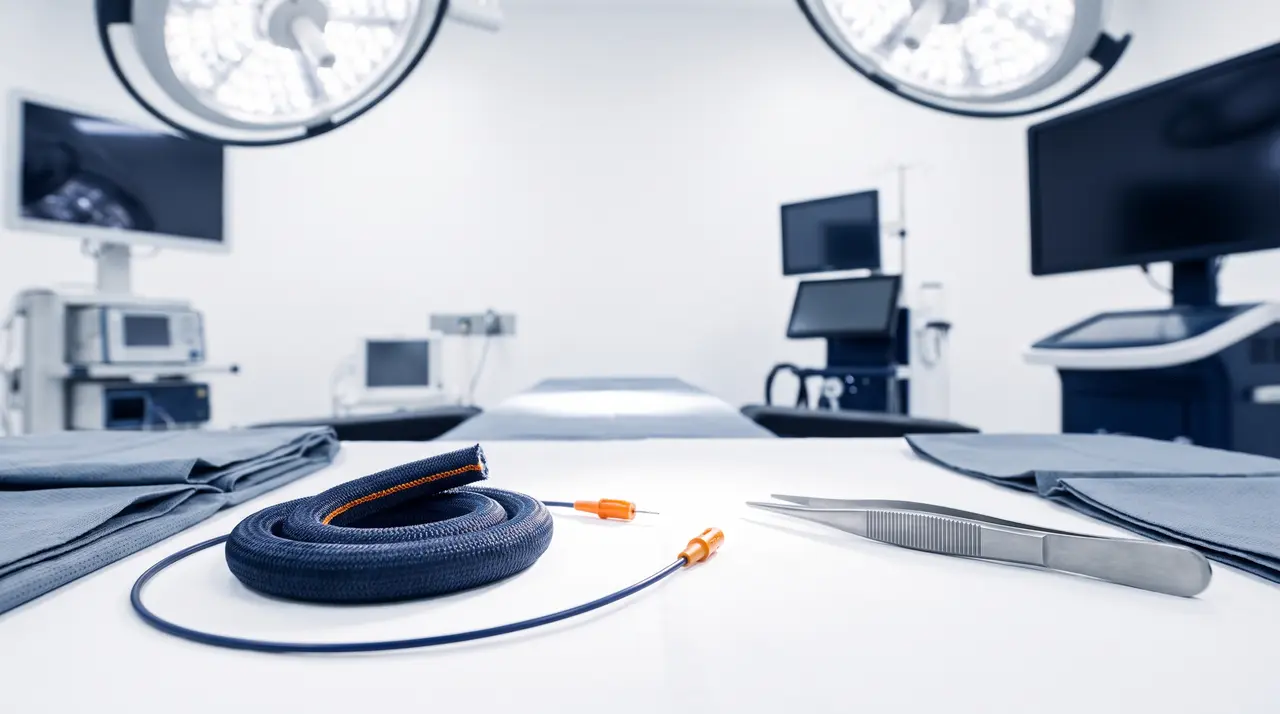
A vascular graft placed into the femoral artery of a 58-year-old patient represents permanent tissue and circulating blood contact. This exposure requires evaluation of thrombogenicity, systemic toxicity, and long-term tissue integration. The regulatory submission must include detailed histopathology data along with full chemical degradation profiles.
In contrast, a transradial angiography catheter contacts arterial blood for less than forty minutes during a diagnostic intervention. That clinical scenario requires evaluation of acute hemocompatibility, cytotoxicity, and systemic reactivity. Studies focusing on Implant Safety Study Animals Biotech Farm Testing often require comprehensive evaluation to prove permanent structural integration.
How to read the ISO 10993-1 table A1 endpoints matrix
Table A.1 in the standard acts as an exploratory framework rather than an automated checklist. It aligns contact categories with biological endpoints that require evaluation such as irritation, genotoxicity, and material degradation. Regulatory agencies penalize sponsors who check every box without scientific justification.
Device makers must evaluate each mapped endpoint using existing technical literature, previous clinical exposure, or analytical chemistry. When chemical extraction reveals no extractables exceeding toxicological thresholds, the sponsor can scientifically justify waiving subacute and subchronic animal testing. This rational selection prevents redundant studies while maintaining patient safety.
Critical Errors When Treating the Matrix as a Testing Checklist
The most frequent error is submitting every laboratory test marked in Table A.1 without evaluating the chemical formulation first. This shotgun approach wastes developmental capital and exposes laboratory animals to unnecessary protocols. Another common error is failing to evaluate manufacturing process aids like ultrasonic detergents and mold-release silicones.
Engineers often commission testing on unsterilized prototypes because final packaging cycles run behind schedule. Regulatory evaluators reject those reports immediately because ethylene oxide, gamma radiation, or steam autoclaving alters chemical breakdown pathways. The biological assessment must evaluate finished components that underwent identical manufacturing and sterilization cycles.
Cytotoxicity testing under ISO 10993-5 and initial endpoint selection
Cytotoxicity testing represents the universal screening filter across almost all medical device evaluation portfolios. The assay places cell cultures, typically mouse fibroblasts, into contact with fluid extracts harvested from the test article. Cell viability below 70 percent indicates a cytotoxic response that halts commercial progress.
Laboratory conditions significantly influence cytotoxicity findings. Published research on ISO 10993-5 variability shows that extraction ratios, solvent media, and temperature variations can produce conflicting results between accredited testing sites. Manufacturers must select appropriate cell lines and extraction parameters that mirror true clinical exposure.
Regulatory bodies reject incomplete extraction profiles. Every chemical constituent migrating from a device surface must be identified, quantified, and assessed against a toxicological threshold before a safety conclusion can be defended.
— Preclinical regulatory practice, Biotech Farm Ltd.
Preparing a biological evaluation plan before bench testing begins
A Biological Evaluation Plan, commonly abbreviated as a BEP, establishes the formal testing hypothesis before any laboratory procedure starts. The plan identifies device materials, manufacturing processes, and sterilization modalities along with patient contact classifications. It identifies what toxicological endpoints are already resolved by existing technical evidence.
Health authorities across the United States, Europe, and Asia expect the BEP to provide transparent rationale for every proposed test or scientific waiver. Writing the plan forces development teams to review material master files, previous clinical literature, and regulatory predicate profiles. Executing bench studies without an approved BEP almost always produces redundant testing protocols.
Essential Data Points Inside a Compliant Evaluation Plan
- Raw material specifications, master batch numbers, and exact contact surface areas
- Chemical extraction media encompassing polar saline, non-polar vegetable oils, and organic solvents
- Intended patient populations, including high-risk demographics like pediatric or immunocompromised patients
- Specific documented rationale for omitting each biological endpoint
- Sterilization modality and its documented effect on material chemistry
If an orthopedic screw uses medical-grade titanium alloy with decades of clinical data, the plan details the metallurgical standard and waives chronic toxicity studies. Every regulatory reviewer searches for clear justification linking chemical risk to planned physical assays.
What belongs in an ISO 10993 biological evaluation report?
The Biological Evaluation Report, or BER, consolidates all experimental evidence, chemical characterization data, and toxicological analyses into a unified technical dossier. It interprets analytical chemistry results against toxicological threshold limits, summarizing biological assay outcomes. The report presents a scientifically defensible conclusion confirming device safety for its specified clinical indication.
The BER must be authored by qualified biological safety specialists holding documented credentials in toxicology and medical material evaluation. Regulators systematically reject dossiers written by internal sales or process engineers lacking professional risk assessment qualifications. The final document must detail any protocol deviations, unexpected tissue responses, and residual toxicological risks.
Chemical characterization of medical devices under ISO 10993-18
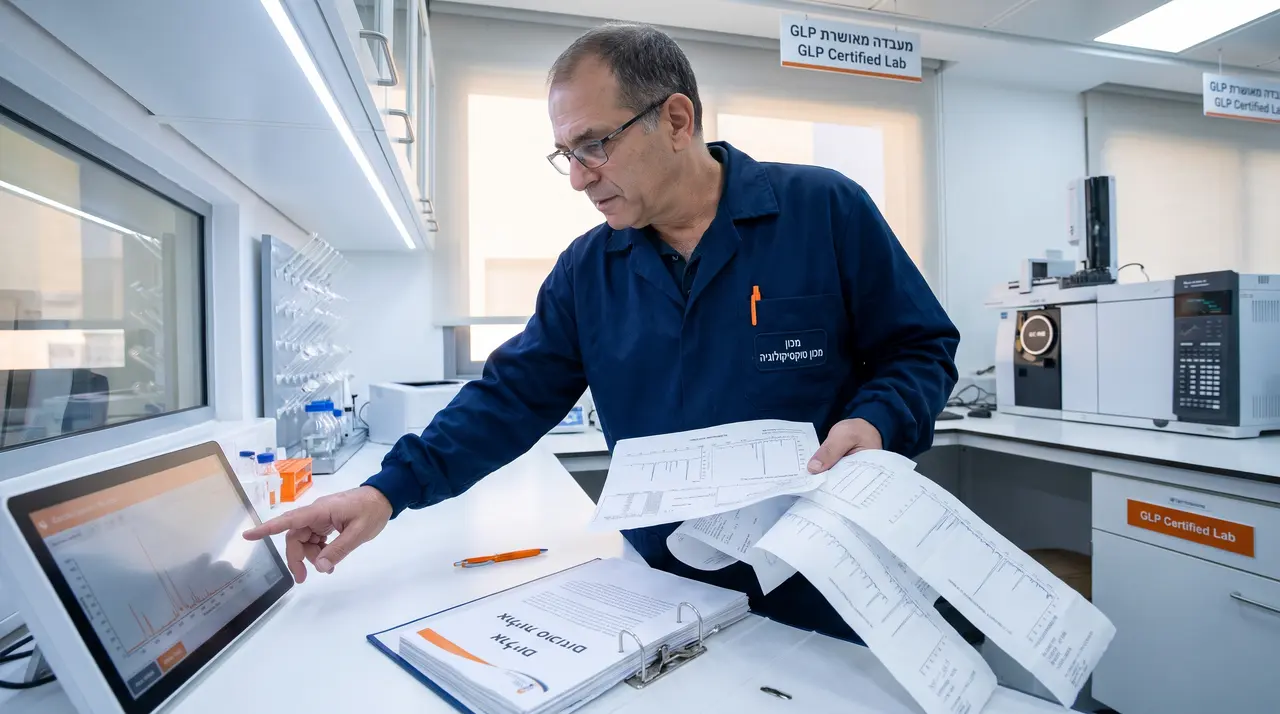
Chemical characterization serves as the primary analytical foundation for modern biocompatibility dossiers. Guided by ISO 10993-18, laboratory analysts identify and quantify volatile, semi-volatile, and non-volatile chemical compounds migrating from device surfaces. The resulting mass spectrometry datasets identify plasticizers, antioxidants, and residual monomers as well as heavy metal catalysts.
Chemists determine an Analytical Evaluation Threshold, which establishes the reporting concentration limit based on toxicological concern. Any compound detected above this threshold requires toxicological evaluation under ISO 10993-17. Thorough chemical characterization provides objective molecular data that frequently justifies omitting expensive animal tests.
Extractables and leachables testing requirements for long term implants
Extractables and leachables studies assess compound migration under varying environmental stress conditions. Extractables studies use exaggerated thermal and solvent conditions to force all potential mobile chemical constituents out of the device materials. Leachables studies measure compounds that migrate under simulated clinical use conditions in physiological media.
Permanent implants, such as vascular endoprostheses and spinal stabilization systems, demand rigorous leachable tracking. A titanium spinal cage coated with polymer composites must undergo extended extraction to detect slow hydrolytic degradation. Regulators expect these migration curves to prove that leachables remain below toxic thresholds over the intended therapeutic lifespan.
Toxicological risk assessment according to ISO 10993-17
Once chemical characterization identifies extractable substances, a qualified toxicologist conducts a Toxicological Risk Assessment under ISO 10993-17. The assessor calculates a Tolerable Intake value for each detected chemical compound based on published toxicological datasets. This calculated threshold is compared directly against the patient’s maximum daily clinical exposure.
The evaluator derives a Margin of Safety for every compound crossing analytical reporting thresholds. If the margin proves sufficiently protective, the technical file demonstrates that systemic toxicity, genotoxicity, and carcinogenicity risks are controlled. This quantitative chemical evaluation replaces empirical animal exposure with rigorous biochemical reasoning.
The Financial Case for Chemical-First Evaluation
Early chemical profiling saves substantial capital. A full extractables and leachables characterization typically costs a fraction of a single GLP subchronic animal study — and when results come back clean, it can justify waiving that animal study entirely. Teams that invert the sequence, testing biologically before profiling chemically, routinely pay twice for the same conclusion.
How to choose an accredited laboratory for ISO 10993
Selecting an analytical testing facility requires verifying credentials that regulatory reviewers scrutinize during audits. The testing site must hold formal ISO 17025 accreditation covering the exact biological and chemical methods outlined in the protocol. Accreditations issued by national oversight organizations confirm operational competence and technical repeatability.
Manufacturers must confirm that biological and in vivo testing adheres strictly to Good Laboratory Practice, or GLP, regulations. Submitting non-GLP implant studies for premarket approval applications triggers immediate rejection by European Notified Bodies and the FDA. Selecting a facility with on-site toxicological support prevents communication breakdowns between laboratory benches and regulatory review teams.
Why medical grade materials can still fail biocompatibility testing
Procuring raw resin labeled as medical grade does not guarantee biological safety in the finished commercial unit. Material manufacturers provide purity certificates for virgin resin beads before downstream manufacturing takes place. Injection molding thermal cycles, machining coolants, and laser cutting processes introduce chemical impurities into the polymer matrix.
Documented Case: USP Class VI PEEK Handle Cytotoxicity Failure
An orthopedic instrumentation handle manufactured from USP Class VI polyetheretherketone failed in vitro cytotoxicity screenings despite the material’s premium certification. Investigation showed that the machine shop had changed its ultrasonic cleaning detergent to a non-validated industrial degreaser. Microscopic surfactant residues remained bonded to the textured surface, causing immediate cellular membrane lysis. The failure originated not in the material, but in an undocumented process change — exactly the kind of gap a properly constructed BEP is designed to catch.
Regulatory requirements for ISO 10993 under Israeli medical device law
Medical device commercialization in Israel operates under the Medical Devices Law 5772-2012, enforced by the Ministry of Health through the AMAR division. The law mandates that devices meet international quality and safety benchmarks before clinical deployment. Israeli regulators rely heavily on ISO 10993 technical documentation during the product registration process.
Israeli manufacturers targeting domestic and export markets must align preclinical testing with international consensus standards. The AMAR division accepts technical documentation conforming to European Union Medical Device Regulation benchmarks or United States FDA submissions. Local device innovators must ensure that biological evaluation dossiers satisfy global auditing criteria from inception.
Preparing AMAR submissions for medical device registration in Israel
Submitting a medical device dossier to AMAR requires an organized technical file containing the complete biological risk assessment. The submission package must include the initial Biological Evaluation Plan, chemical characterization datasets, and the finalized Biological Evaluation Report. Regulators review the exact manufacturing process descriptions to verify that tested prototypes reflect commercial inventory.
When foreign market approvals exist, Israeli sponsors can pursue expedited evaluation routes under established recognition agreements. Submitting CE mark certifications or FDA 510(k) clearances simplifies the local registration process significantly. The underlying ISO 10993 testing dossiers must remain fully accessible for ministry inspection upon request.
Establishing biological equivalence between predicate devices and new designs
Medical device companies can leverage historical safety evidence by establishing biological equivalence to an existing commercial predicate. Demonstrating equivalence requires proving identical material composition, surface morphology, and tissue contact exposure. Any divergence in manufacturing residues or sterilization methods compromises the equivalence argument.
A manufacturer modifying the alloy formulation of a bone plate cannot rely solely on the predicate’s clinical history. The team must provide comparative chemical extraction profiles and physical characterization data showing identical biological interactions. If the chemical profiles diverge, targeted biological testing must validate the safety of the modified composition.
Large animal preclinical models for complex device evaluation
Advanced cardiovascular, orthopedic, and surgical implants require physiological testing environments that laboratory cell cultures cannot provide. Small rodent systems possess metabolic rates, vessel diameters, and healing dynamics that fail to simulate human clinical interventions. Large animal models, including swine and ovine systems, provide anatomical dimensions and hemodynamic stresses comparable to human physiology.
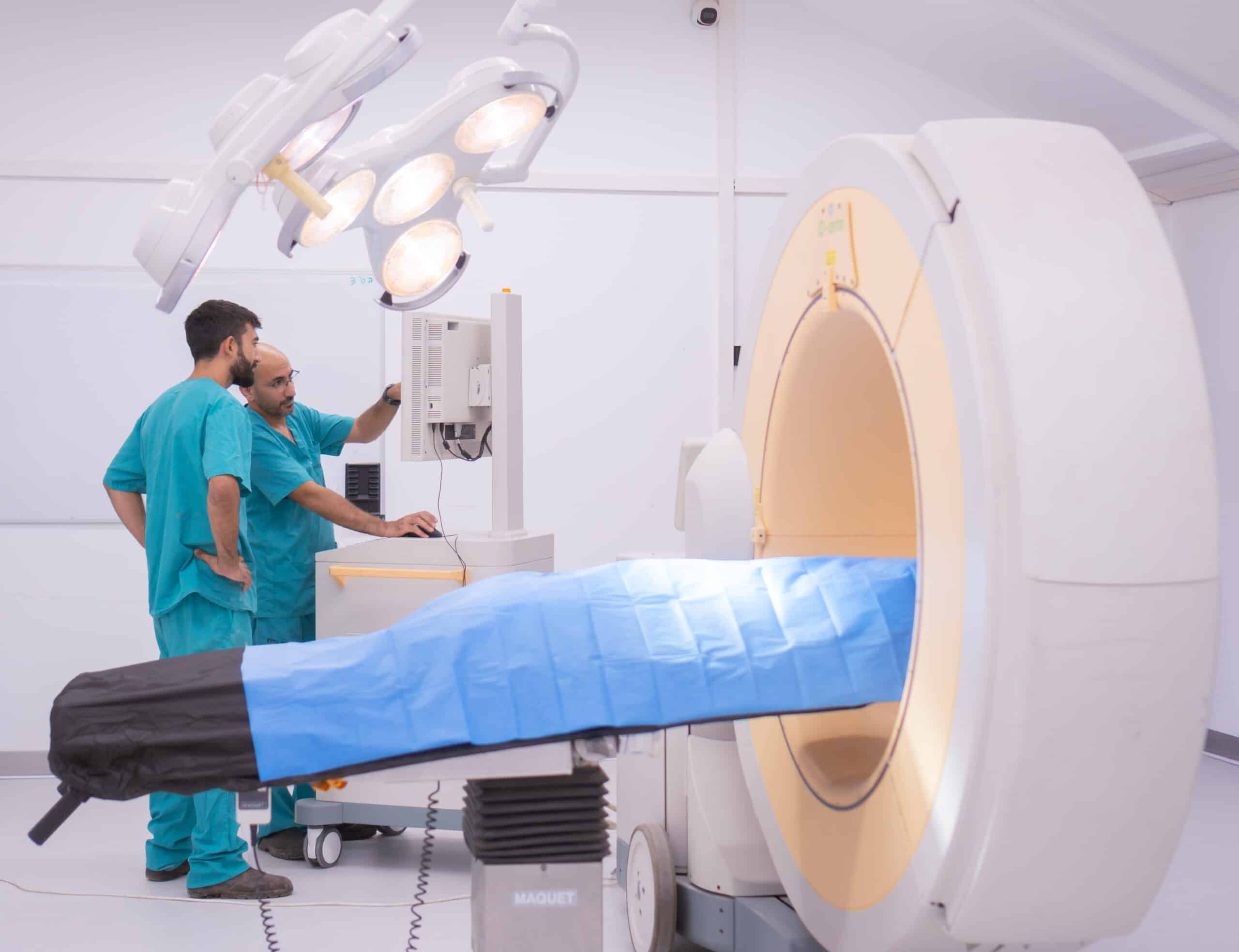
Biotech Farm operates advanced preclinical research suites equipped with fluoroscopy C-Arm imaging systems, high-definition ultrasound, and 4K laparoscopic towers. These capabilities enable interventional radiologists and orthopedic surgeons to deploy prototype devices under authentic surgical conditions. For complex submissions, partnering with experienced research facilities for ISO 10993 biocompatibility testing and preclinical animal studies ensures the production of defensible regulatory evidence.
Key Insight from Two Decades of In-Vivo Work
Clean material chemistry does not guarantee systemic tissue tolerance. Devices that pass every chemical threshold can still fail on thrombogenicity, foreign body response, or osseointegration — endpoints that only living physiology can reveal. This is why the evaluation sequence must end, not begin, with the animal model.
What changes appear in the latest ISO 10993 standards updates?
The progression of ISO 10993 standards demonstrates a decisive shift toward quantitative chemical evaluation and reduction of animal exposure. The updated framework consolidates material characterization requirements, obliging sponsors to identify extractable compounds before animal studies begin. New evaluation thresholds reduce redundant testing for skin-contacting consumer and medical wearables.
The standard sharpens requirements for evaluating particulate emissions, degradation kinetics, and nanomaterial components within tissue beds. Device sponsors must document biological risk management over the entire product life cycle, including post-market design updates. Every standard revision increases analytical rigor, making early toxicological consultation necessary for commercial survival.
Applying a risk based approach to animal implant safety studies
Evaluating an implantable technology requires analyzing structural tissue integration, degradation behavior, and local inflammatory reactions over time. Under ISO 10993-6, local effects after implantation are assessed through histological examinations of harvested tissue blocks. Pathologists score foreign body reactions, fibrous encapsulation thickness, and inflammatory cell infiltration.
Case Study: Trabecular Titanium Lumbar Cage — 26-Week Ovine Study
A recent preclinical evaluation examined a novel trabecular titanium lumbar cage implanted into an ovine spine model for twenty-six weeks. Monthly high-resolution fluoroscopy tracked bone ingrowth, while endpoint micro-computed tomography quantified osseointegration density without inflammatory bone resorption. Histopathological scoring confirmed minimal fibrous encapsulation and favorable foreign body response. The sponsor used this animal safety evidence to support human clinical trial authorization.
Test article preparation rules for medical device safety testing
The valid execution of any biological test hinges on rigorous preparation of the test article. Test articles must be produced using validated commercial equipment along with identical packaging materials and sterilization exposures. Testing non-sterilized parts or surrogate materials drawn from early pilot lines invalidates the resulting biological dataset.
Extraction ratios must adhere strictly to surface area guidelines defined in ISO 10993-12, maintaining precise fluid volumes per square centimeter. If device geometry prevents accurate surface measurements, standard mass-to-volume ratios apply. Laboratories must control agitation speeds, extraction temperatures, and vessel seals to avoid volatile compound loss during preparation.
Using existing toxicological literature to reduce animal exposure
Manufacturers can avoid animal testing by systematically gathering public toxicological data on established device materials. Peer-reviewed journal papers, chemical agency databases, and material safety dossiers supply relevant toxicological thresholds. If a sponsor uses medical-grade silicone with decades of clinical history, published safety literature can satisfy genotoxicity and carcinogenicity endpoints.
Biotech Farm applies this ethical reduction framework by offering comprehensive scientific escort services throughout preclinical development. With over thirty years of experimental management expertise, scientific directors help device innovators design focused study protocols under GLP standards. Emphasizing animal welfare and refined monitoring ensures reliable biological datasets while minimizing live subject exposure.
Mapping preclinical study requirements across common medical device classes
Selecting biological endpoints depends on device category, duration of contact, and clinical exposure severity. The following reference table outlines typical evaluation pathways across common device categories, balancing chemical characterization against necessary in vivo studies.
| Device Category | Contact Profile | Primary Chemical Endpoints | Required Biological Assays | Preclinical Animal Requirements |
|---|---|---|---|---|
| Surgical Scalpel | Transient Tissue (Under 24 Hours) | Surface residue analysis | Cytotoxicity, Irritation | None required |
| Intravenous Catheter | Circulating Blood (Prolonged) | Extractables, heavy metals | Cytotoxicity, Sensitization, Hemocompatibility | Pyrogenicity, acute systemic toxicity |
| Vascular Stent | Blood and Vessel Wall (Permanent) | Comprehensive leachables, degradation kinetics | Genotoxicity, Thrombogenicity, Implantation | Large animal coronary implant study under GLP |
| Orthopedic Bone Plate | Bone and Soft Tissue (Permanent) | Corrosion products, extractables | Cytotoxicity, Sensitization, Genotoxicity | Chronic implantation histology in ovine model |
The structured approach mapped above demonstrates that complex devices require integrated chemical, in vitro, and physiological validation. Planning these pathways early prevents clinical study interruptions and minimizes project budget overruns.
Frequently asked questions about ISO 10993 evaluation
Moving your medical device from protocol design to market approval
Developing an innovative medical device requires reconciling material engineering with stringent biological safety mandates. A single overlooked extractable residue or an inadequately planned implant protocol can compromise months of commercial engineering. Success demands structured risk evaluation, rigorous chemical profiling, and high-fidelity preclinical validation.
Are your preclinical evaluation protocols aligned to clear regulatory audits without unexpected testing delays? Connecting with experienced preclinical specialists ensures your study designs satisfy global requirements while maintaining animal welfare standards. Discover how Biotech Farm can support your upcoming preclinical research program with specialized surgical suites, large animal models, and dedicated scientific escort.